
Natuurgebied Baggerputten
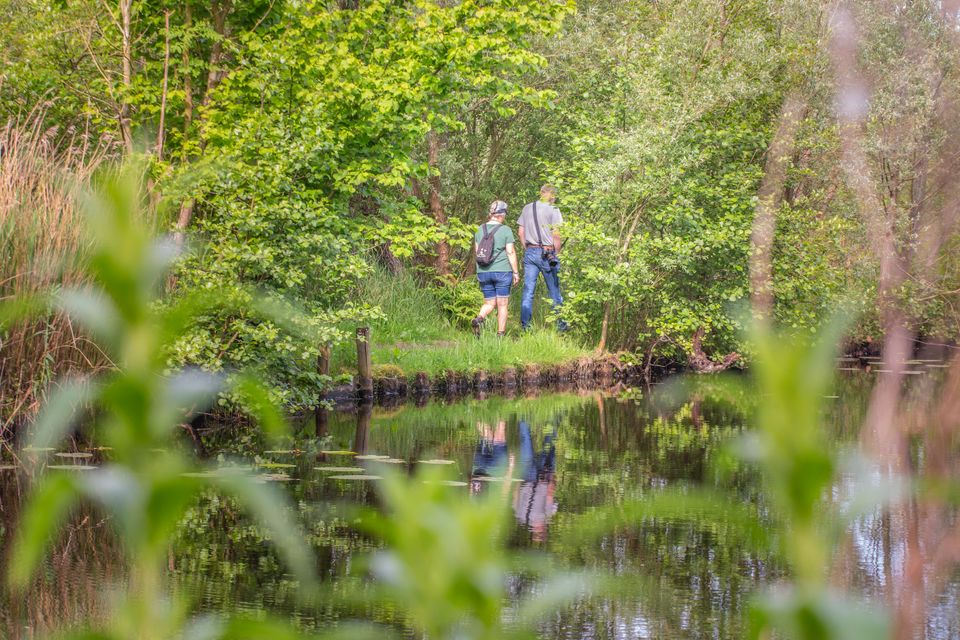
The Baggerputten near Slochteren offer a lovely walk around historic peat pits. This small-scale nature reserve has woods, reedbeds, peat ponds and meadows. Discover various plants and animals, and unique mushrooms. Accessible from the car park at Edsersweg in Slochteren.
Have a look now
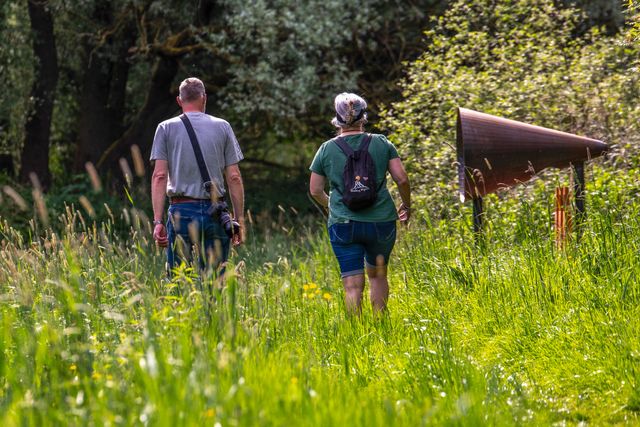
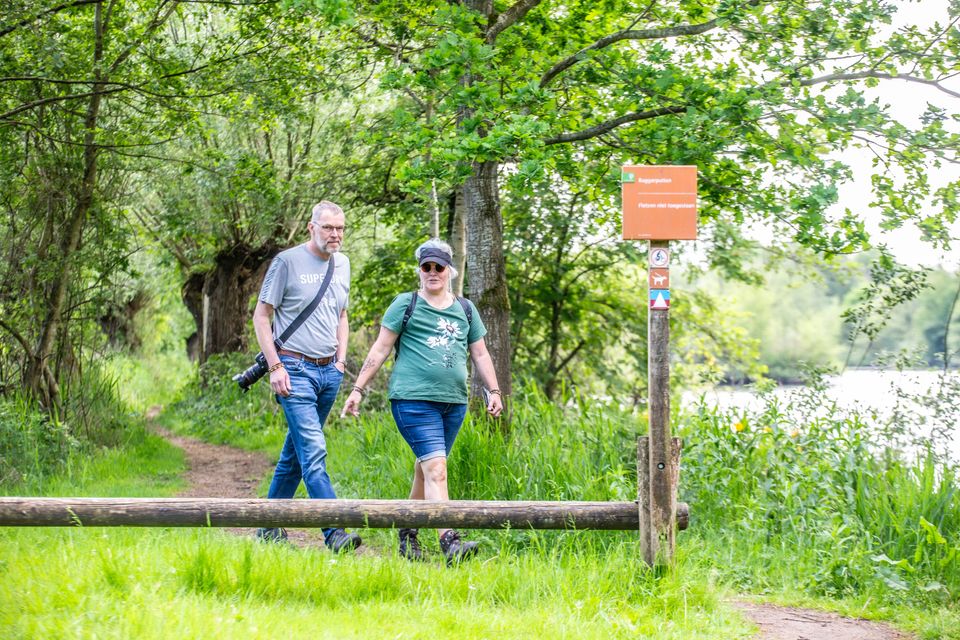
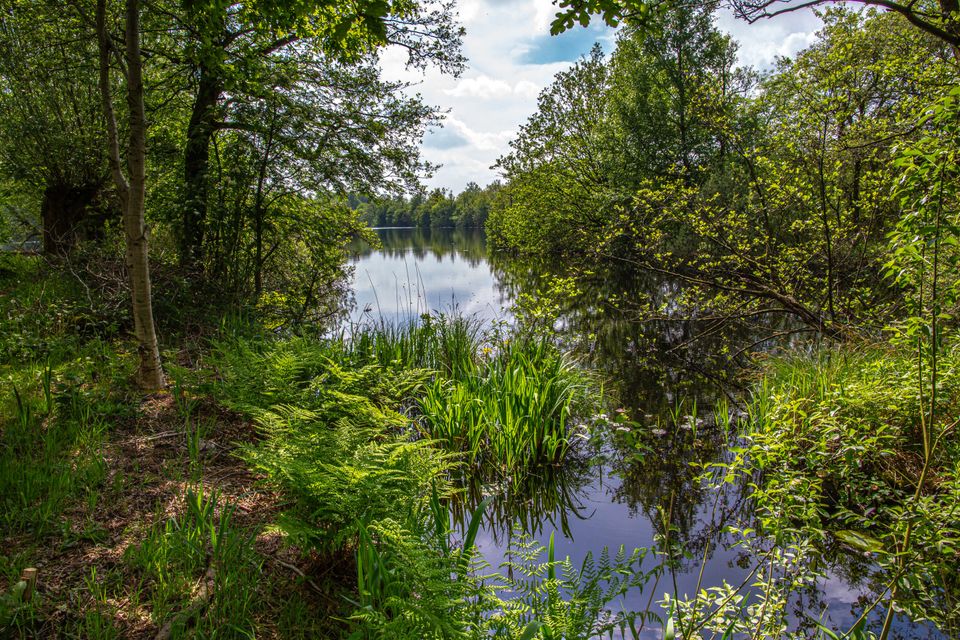
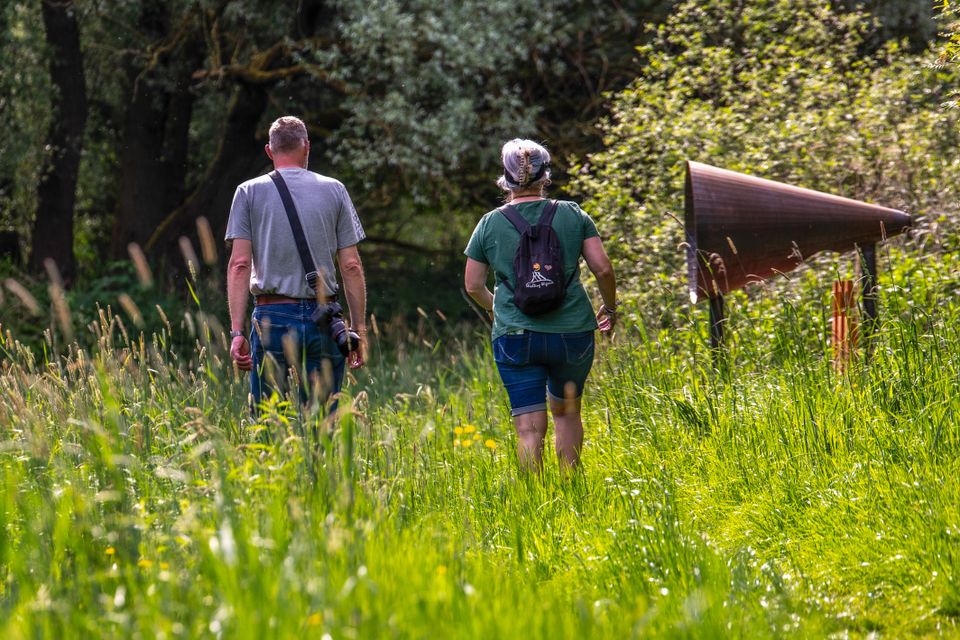
At De Baggerputten just outside Slochteren, you can take a nice walk around the 'dredge well'. In the 17th century, dredging peat was extracted in this very wet low moorland area of the Slochterveld. The peat was dredged up from the water and dried in a large form on embankments. Sun and wind otherwise did their work. With planks underfoot, the peat was cut, which was known for its good quality. The dredging pits that were created were elongated pools of water with settlements or legakkers called in between. Dredging pits are also called peat pits, petholes or weirs.
The Baggerputten is now a small-scale nature reserve...
At De Baggerputten just outside Slochteren, you can take a nice walk around the 'dredge well'. In the 17th century, dredging peat was extracted in this very wet low moorland area of the Slochterveld. The peat was dredged up from the water and dried in a large form on embankments. Sun and wind otherwise did their work. With planks underfoot, the peat was cut, which was known for its good quality. The dredging pits that were created were elongated pools of water with settlements or legakkers called in between. Dredging pits are also called peat pits, petholes or weirs.
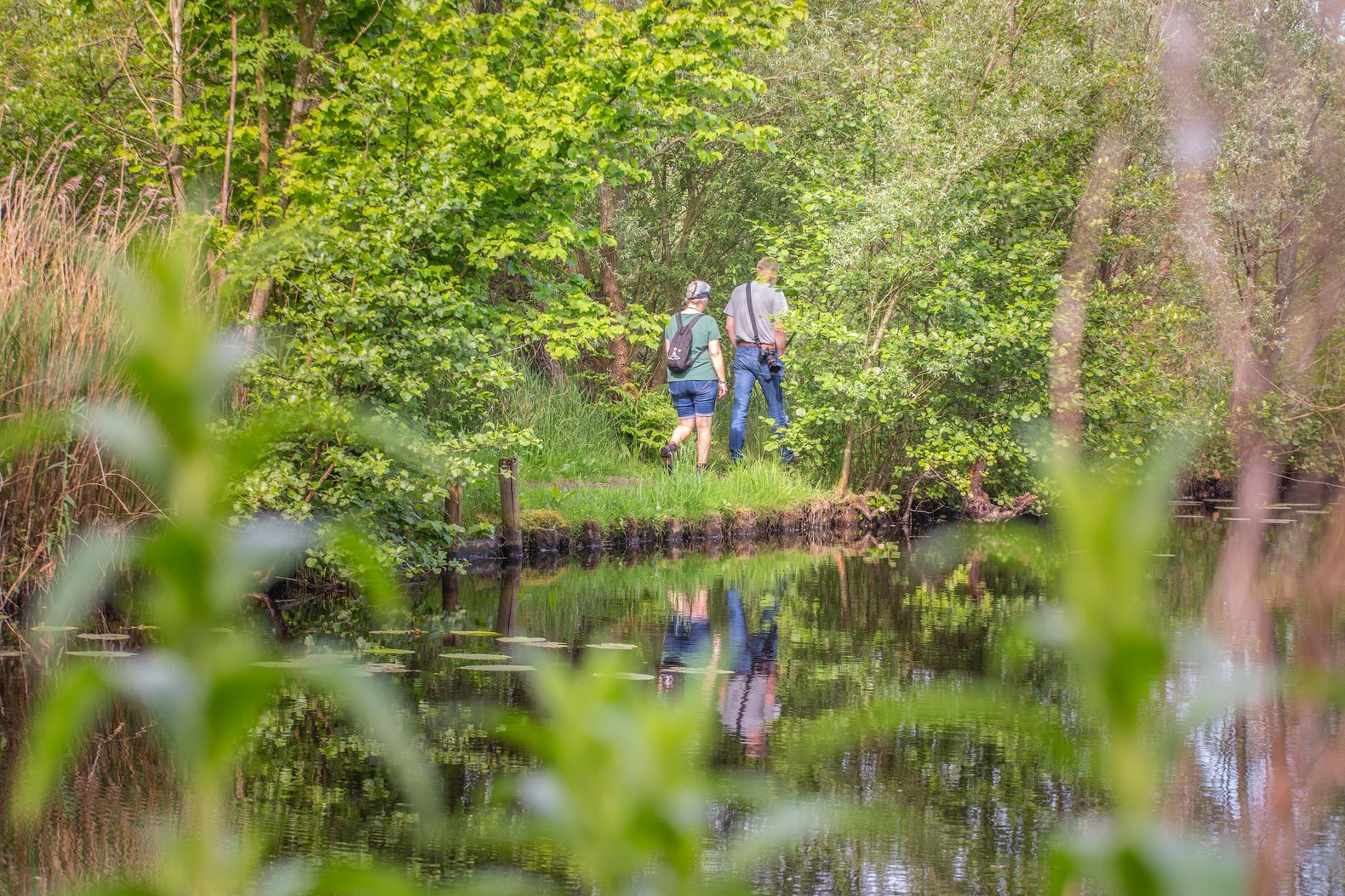
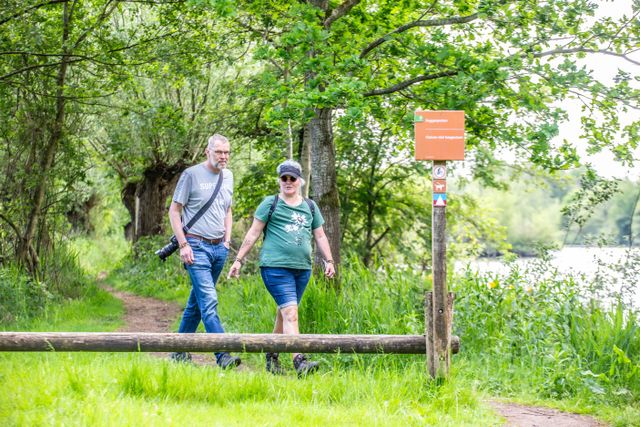
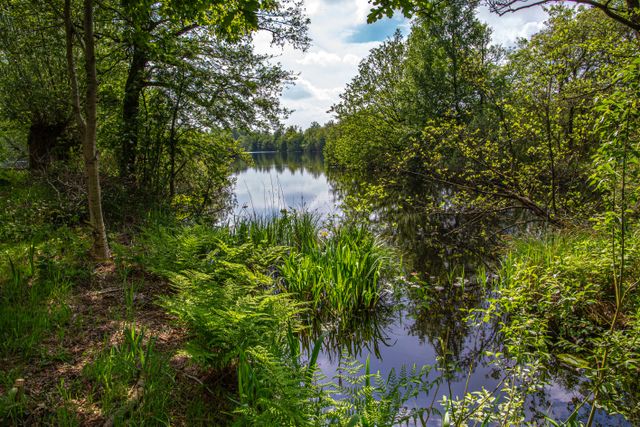
The Baggerputten is now a small-scale nature reserve with forest, reedbeds, peat ponds, meadows and bushes. Walking and cycling paths run through the area and the water partly serves as a fishpond. When walking along the narrow paths, you can still clearly see that this is a peatland area; the ground is still saturated with water. Just hop up and down there a few times and you will feel it!
"Dredging peat used to be dug out here," explains forester Annet de Jong. The soaking wet peat was laid down on embankments and had to dry for a long time before they could cut it into peat shapes." Those days are long gone, today you will find a surprisingly beautiful, varied and small-scale piece of nature. "Nowadays, you will find a kind of swamp forest with willows and alders around the water. The bright green moss that grows on it is now very visible in winter. There is reed grassland, there are tree lines but also small pieces of forest that we do nothing about. That variety ensures that lots of different plants and animals feel at home in the Baggerputten."
Around 20 butterfly and 25 dragonfly species have been found here, including the Glasscutter and Early Glazier, both endangered dragonfly species. Special plant species are also found there, such as the Great Rattle and Lesser Sundew. In the even wetter biotopes, you will also find the Water Strawberry, Water Violet and Water Thistle. The character of the varied landscape also lends itself to numerous bird species, including the Tree Pipit, Water Rail and Cuckoo. Finally, the area is rich in unusual mushrooms, such as wax plates, magic mushrooms, pleated skirts and red chalice mushrooms.