Punt van Reide
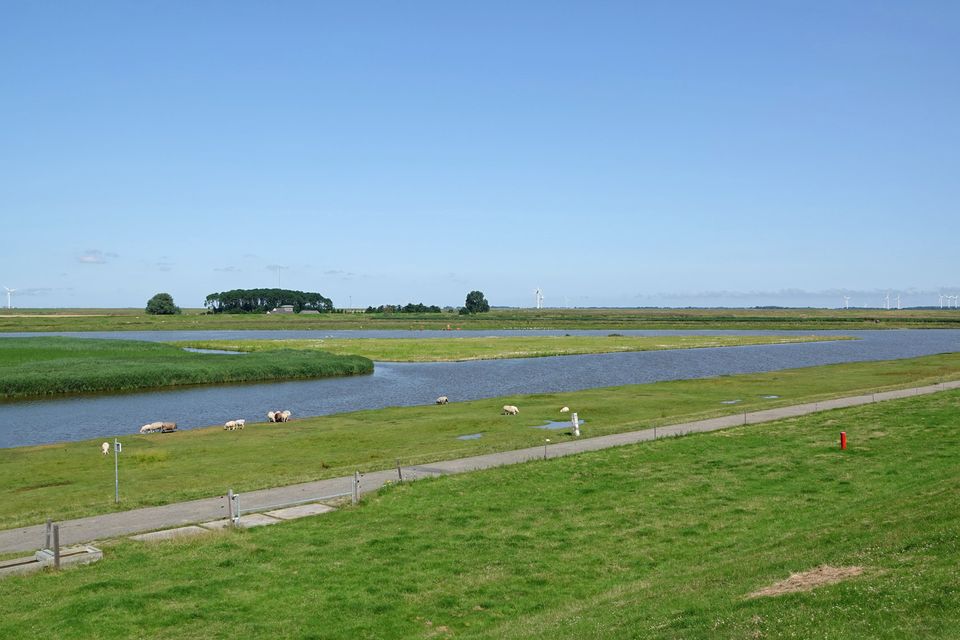
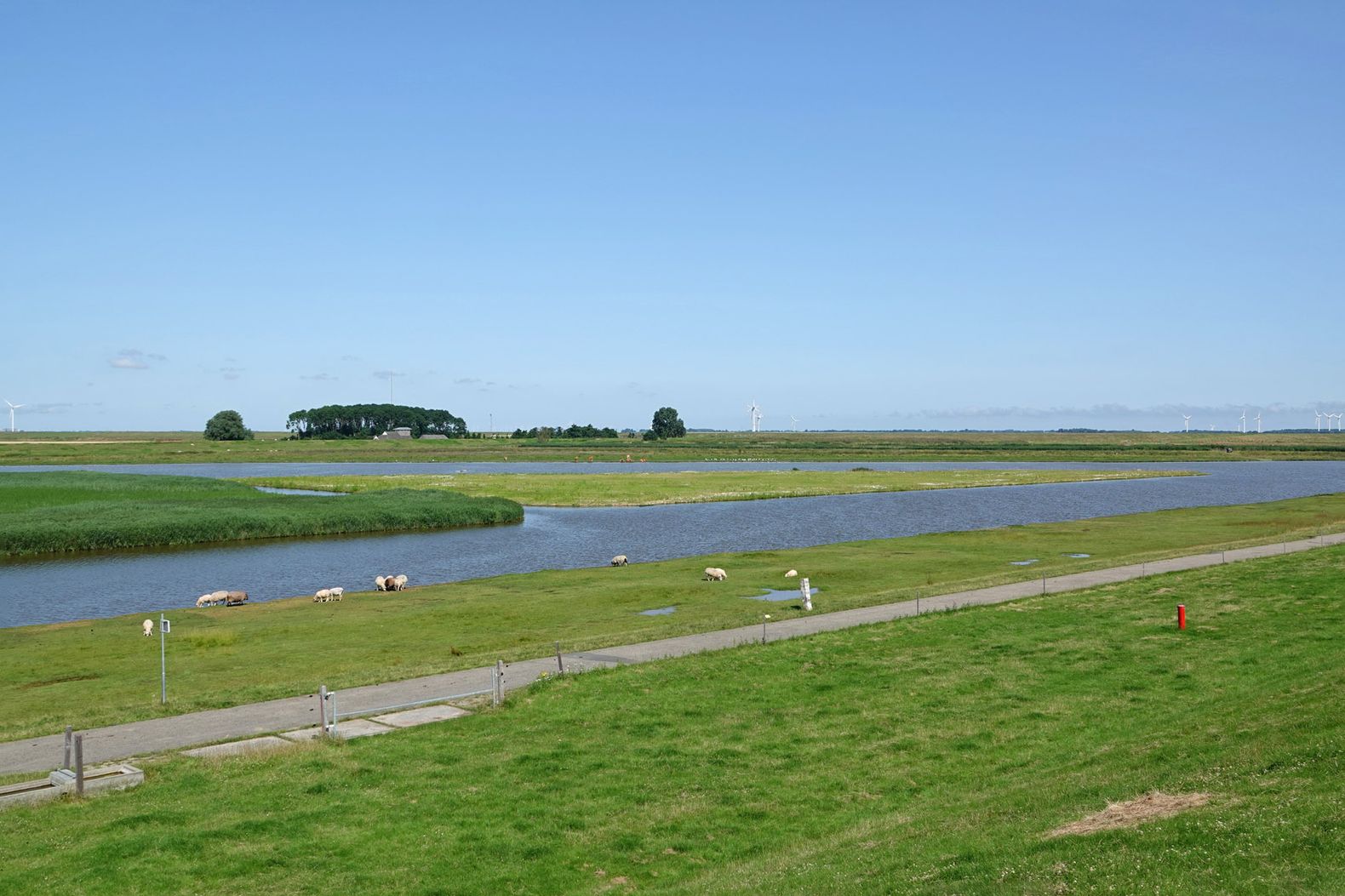
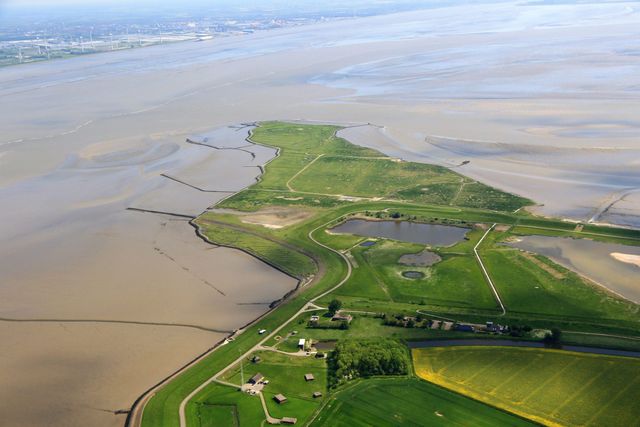
At the end of the Groninger world is peninsula the Punt van Reide. This narrow outer dike spit of land, the size of 53 hectares, is the remnant of the once prosperous Reiderland. Over time, almost the entire original area was swept away by the sea.
Take a closer look
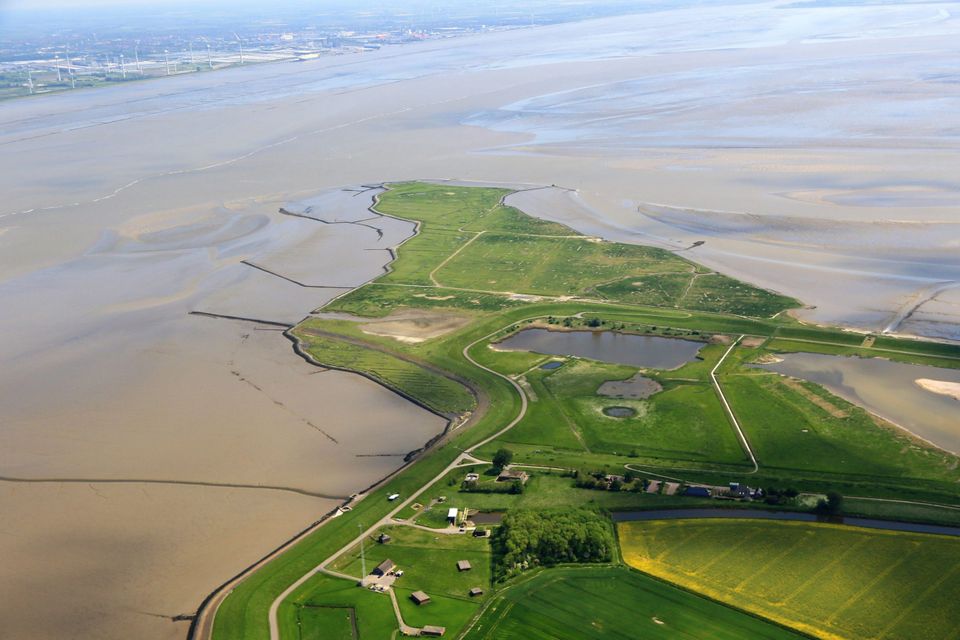
Now nature has free rein: both seabirds and meadow birds thrive in this oasis of tranquillity.
Shorebirds and seals side by side
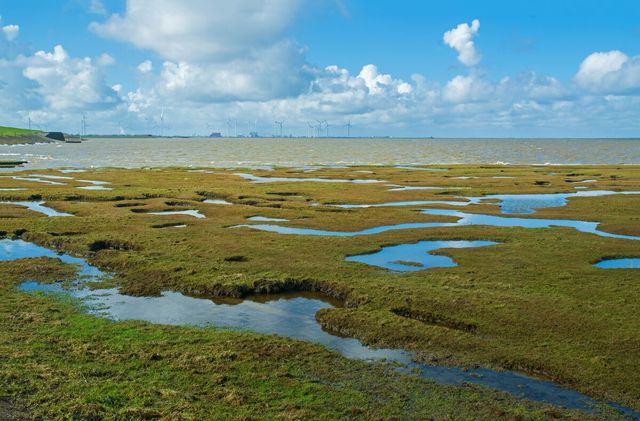
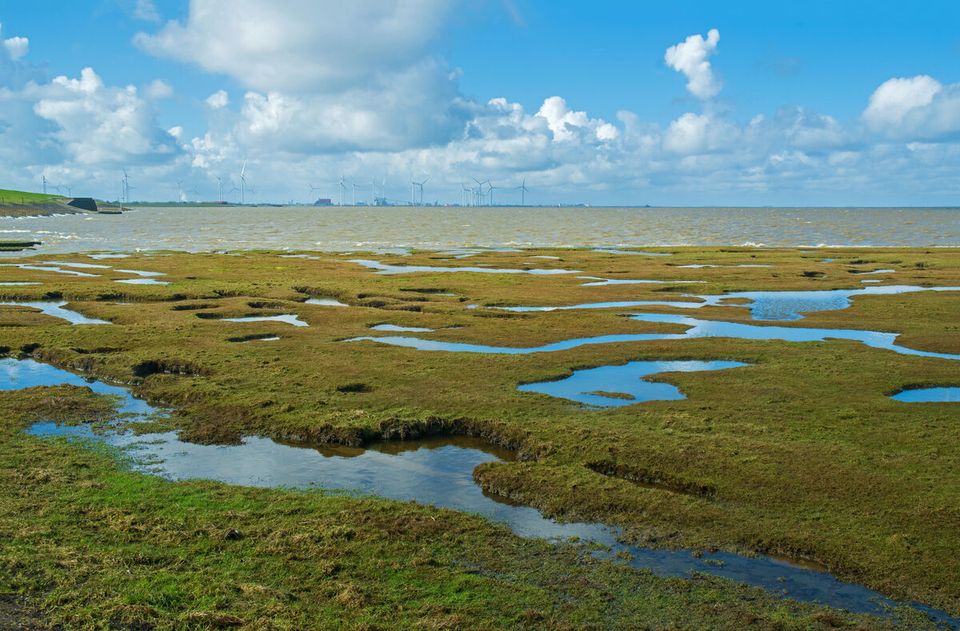
The vegetation on the Punt is characteristic of a high salt marsh that is still only occasionally inundated by sea water. There are breeding colonies of arctic terns and common terns and many redshanks nest. During high tide, shorebirds like to seek refuge there. The adjacent mudflats are a favourite nursery for seals. The Punt van Reide is a unique spot on the border of land and sea!
Nature forms
In the Punt, we see an increase in plant species such as sea lavender, sea wormwood and English grass and favourable breeding results of the avocet, redshank, black-headed gull and common tern. The wonderful result of man-made nature.
Grazers as nature managers
Net a...
Now nature has free rein: both seabirds and meadow birds thrive in this oasis of tranquillity.
Shorebirds and seals side by side
The vegetation on the Punt is characteristic of a high salt marsh that is still only occasionally inundated by sea water. There are breeding colonies of arctic terns and common terns and many redshanks nest. During high tide, shorebirds like to seek refuge there. The adjacent mudflats are a favourite nursery for seals. The Punt van Reide is a unique spot on the border of land and sea!
Nature forms
In the Punt, we see an increase in plant species such as sea lavender, sea wormwood and English grass and favourable breeding results of the avocet, redshank, black-headed gull and common tern. The wonderful result of man-made nature.
Grazers as nature managers
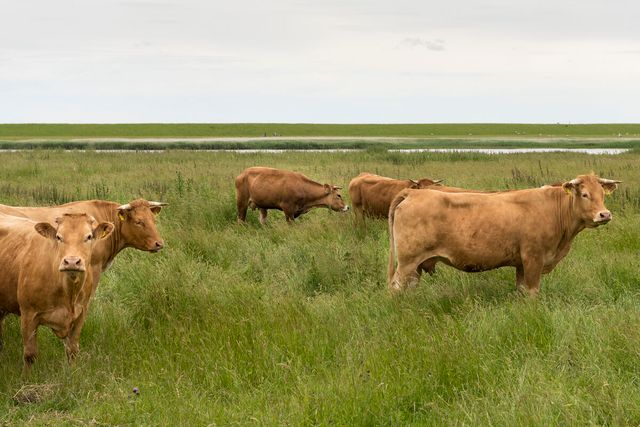
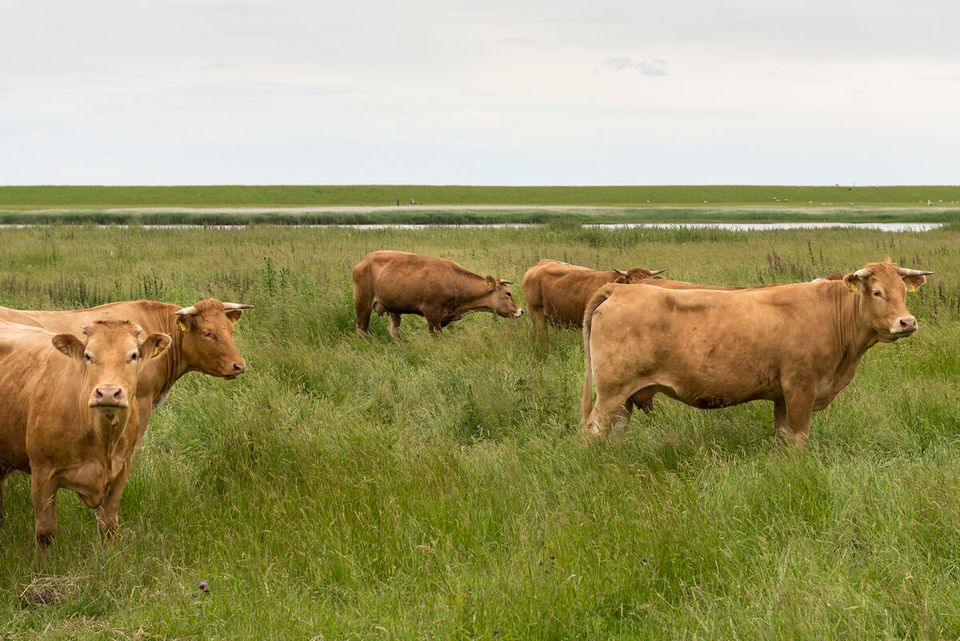
As in the Dollard area as a whole, grazers also play an important role on the Punt van Reide in creating variation in the structure of the vegetation, which benefits the bird population. The mounds in the area are mowed as a tribute to these former residential mounds.
Protecting against erosion
The Punt van Reide is protected from erosion by a quay of basalt blocks. In the past, part of this natural seawall was removed so that seawater flows in more frequently. This created a piece of 'young' salt marsh, where pioneer plants such as glasswort thrive.
Hatching island on the Punt van Reide
In early 2015, this hatching island was constructed. We did this as part of the Bird Conservancy's 'Rest for Birds, Space for People' project. Many breeding birds can now be found on the island, such as the black-headed gull, common tern, arctic tern, avocet and pied-billed plover.
Visitor information
Punt van Reide is closed to the public. Several times a year (outside the breeding season) it is possible to go on an excursion in the area with a guide. These walks are always very popular. Keep an eye on the activity calendar to see when the walks are planned.