
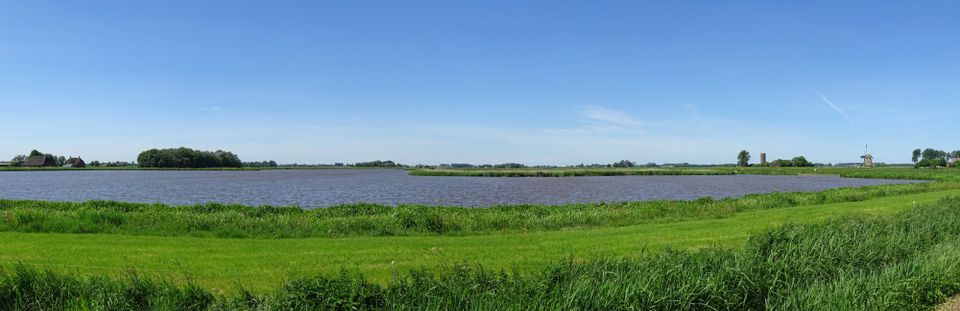
Hoeksmeer nature reserve
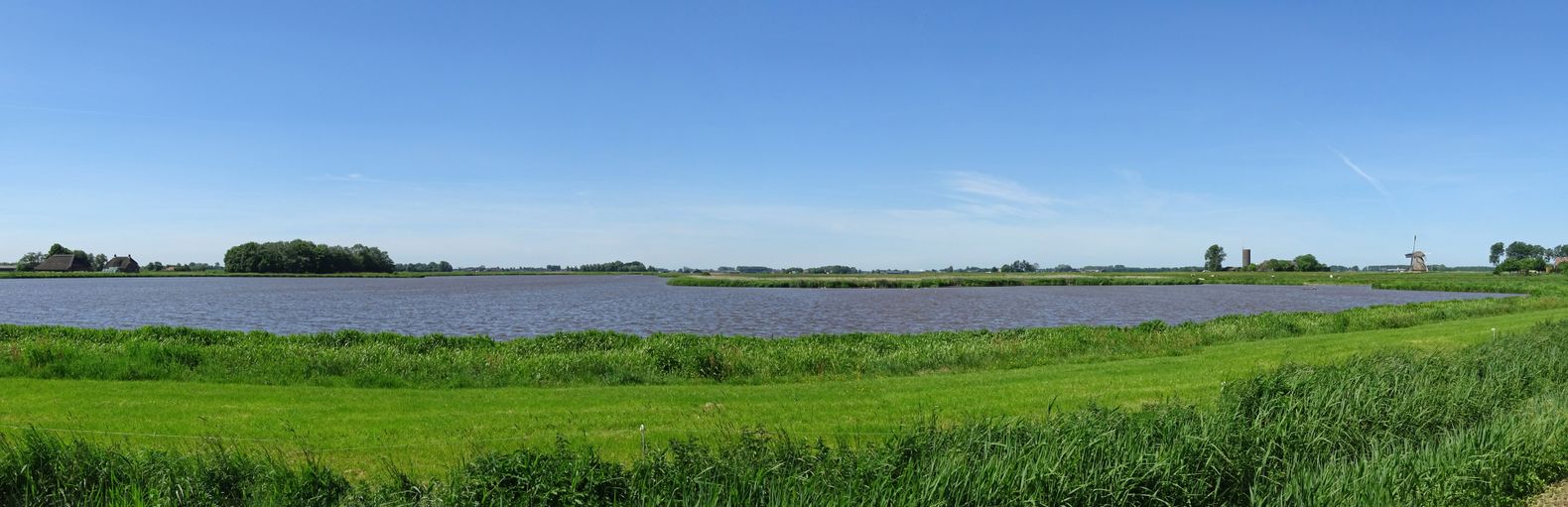
The Hoeksmeer is located just below Garrelsweer. The lake is surrounded by grasslands that run from wet to dry. An old creek course (Katerhalstermaar) runs through the area. In spring, dryness creates muddy banks. In winter, the area is very wet.
Have a look now
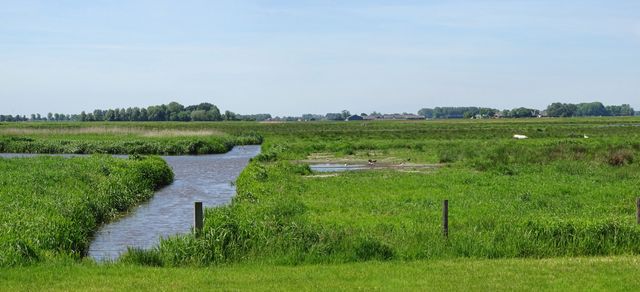
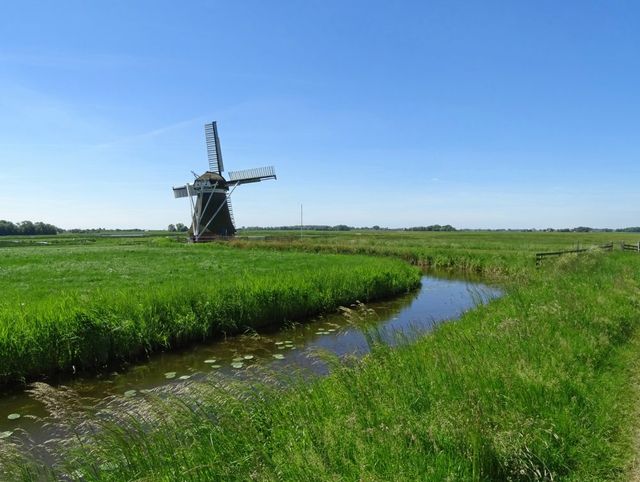
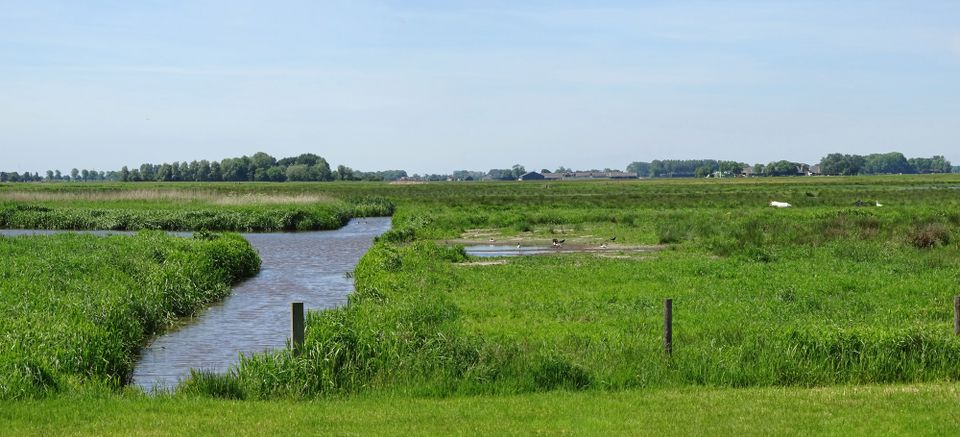
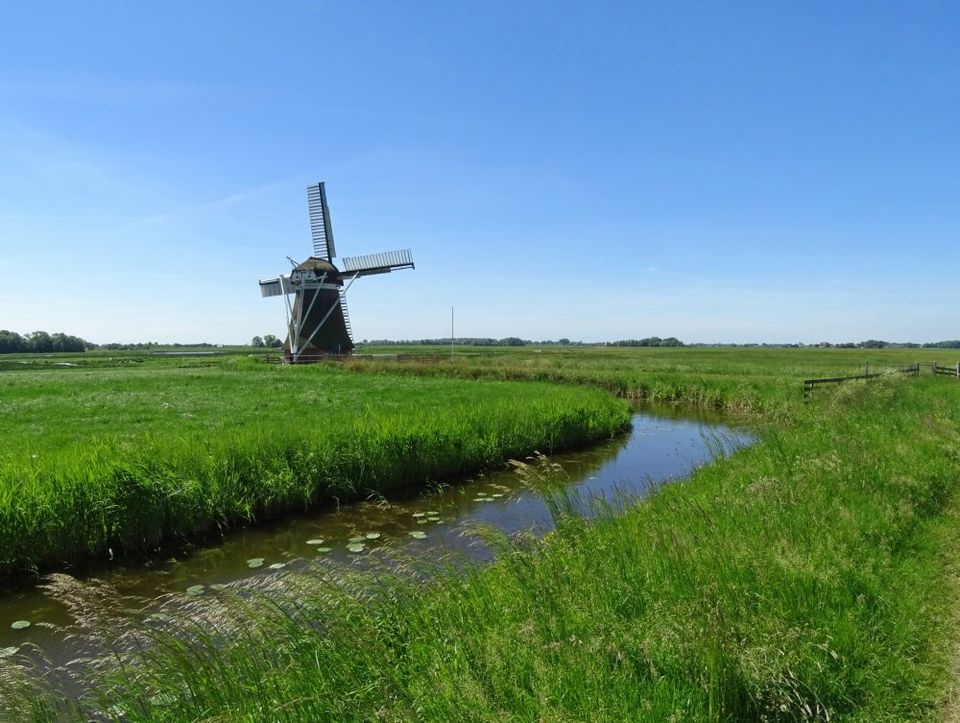
The Hoeksmeer gradually becomes drier in spring, creating mud banks. These act as a magnet for waders such as black-tailed godwit, avocet, lapwing and redshank, but also attract lesser plovers and yellow wagtails. In spring, the area remains moist so the soil does not become too hard and the worms do not get too deep. At Hoeksmeer, the sounds of the old-fashioned meadow landscape can be heard on fine spring days. Prancing Lapwings, Black-tailed godwits, redshanks and the endless song of the Skylark. Besides these meadow and field birds, many waterbirds such as Garganey, Teal, Mallard, Shoveler and Gadwall also breed here. A little later in spring, it is a beautiful sight to see a Shelduck with her beautiful downy young swimming.
The Hoeksmeer area is in...
The Hoeksmeer gradually becomes drier in spring, creating mud banks. These act as a magnet for waders such as black-tailed godwit, avocet, lapwing and redshank, but also attract lesser plovers and yellow wagtails. In spring, the area remains moist so the soil does not become too hard and the worms do not get too deep. At Hoeksmeer, the sounds of the old-fashioned meadow landscape can be heard on fine spring days. Prancing Lapwings, Black-tailed godwits, redshanks and the endless song of the Skylark. Besides these meadow and field birds, many waterbirds such as Garganey, Teal, Mallard, Shoveler and Gadwall also breed here. A little later in spring, it is a beautiful sight to see a Shelduck with her beautiful downy young swimming.
The Hoeksmeer area is very wet in winter. On the lake, one can then see special species such as Little Tail, Goosander and Smew, in addition to large numbers of Wigeons, Shovelers and Teals. On the surrounding grasslands, groups of geese are always present in winter. At first glance, they all appear to be Brent Geese but, if you look closely, there are sometimes unusual species among them, such as Red-necked and Minky Geese, Greenland Brent Goose and Lesser Reed Goose. During migration periods, knowledge of waders is put to the test considerably with species such as Green-legged Sandpiper, Common Snipe, Common Sandpiper, Tawny Sandpiper and White-billed Sandpiper. Spoonbills, easy to spot, are also often seen. Natuurmonumenten works together with nearby farmers. In consultation with each other, tailor-made solutions are provided for the birds. Manure is spread on the land and where meadow birds nest, it is not mowed. This creates grasslands with lots of insects so that the chicks can find enough to eat.
The Hoeksmeer is best reached via Ten Post and Wittewierum or via Garrelsweer (via Hoeksmeersterweg and Meedenweg). The area has no footpaths but bird watching is excellent from a car.