
Rainwater cistern
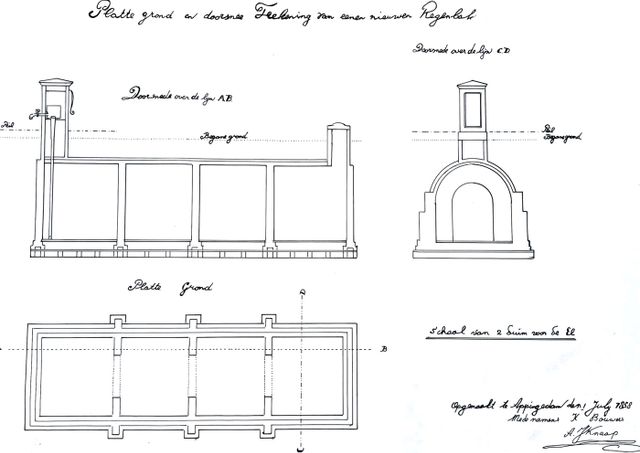
In Appingedam, the initiative was taken in 1859 to construct a cistern that was filled with rainwater from the roofs of the Nicolaïkerk. This was used to provide the residents of Appingedam with clean drinking water.
Take a closer look
The Netherlands was impoverished in the mid-19th century. There was much poverty and hunger, caused in part by potato blight. Alcoholism and epidemics (cholera and noma) greatly affected people's life expectancy. Drinking water facilities and sewerage were poor. Mortality rates among the poor were high; for men, life expectancy at the time was 38.3 years, for women 47.9, and infant mortality was 20 per cent.
In 1848, the Constitution came into being and, as a consequence, Thorbecke's Municipalities Act of 1851. The Municipalities Act made municipalities responsible for public health.
In Appingedam, the initiative was taken in 1859 to construct a cistern that was filled with rainwater from the roofs of the Nicolaïkerk. This was used to provide the residents of Appingedam with clean drinking water.
A group of notable...
The Netherlands was impoverished in the mid-19th century. There was much poverty and hunger, caused in part by potato blight. Alcoholism and epidemics (cholera and noma) greatly affected people's life expectancy. Drinking water facilities and sewerage were poor. Mortality rates among the poor were high; for men, life expectancy at the time was 38.3 years, for women 47.9, and infant mortality was 20 per cent.
In 1848, the Constitution came into being and, as a consequence, Thorbecke's Municipalities Act of 1851. The Municipalities Act made municipalities responsible for public health.
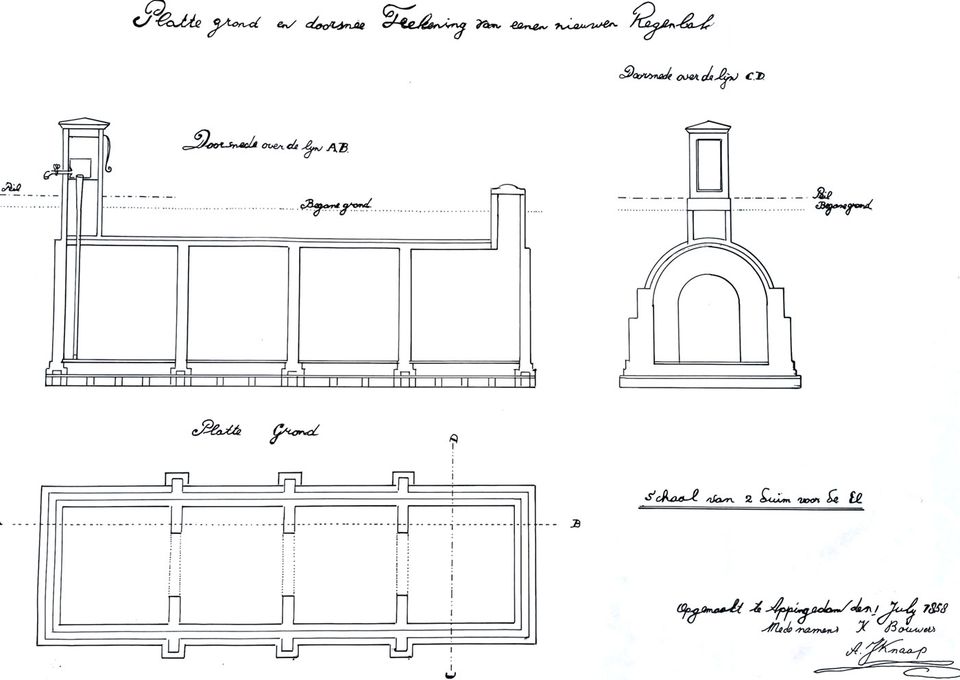
In Appingedam, the initiative was taken in 1859 to construct a cistern that was filled with rainwater from the roofs of the Nicolaïkerk. This was used to provide the residents of Appingedam with clean drinking water.
A group of notables from Appingedam founded an association on 23 August 1859, which set itself the following task in article 1 of its regulations: "The erection (placement) and maintenance of a cistern with gutters, drains, etc. at the planted churchyard near the Nicolaïkerk in Appingedam. This cistern is to meet some of the existing need for fresh drinking water here and will serve the general public, especially the residents in the town centre, who can obtain water for a small fee".
Article 2 immediately set the price of drinking water, which fluctuated according to the amount of water contained in the cistern. In a dry season when it stood 1.25 cubits high in the trough, 4 cents the passage, at 1.25 to 2 cubits, 3 cents the passage. Above 2 cubits, the price became 2 cents the aisle. A corridor of water was the amount of water one could fetch with two buckets in a corridor or run.
The dignitaries financed the cistern from their own resources by means of 24 shares of 100 guilders each. In 1884, these shares were transferred free of charge to the Diaconate of the Reformed Church of Appingedam.
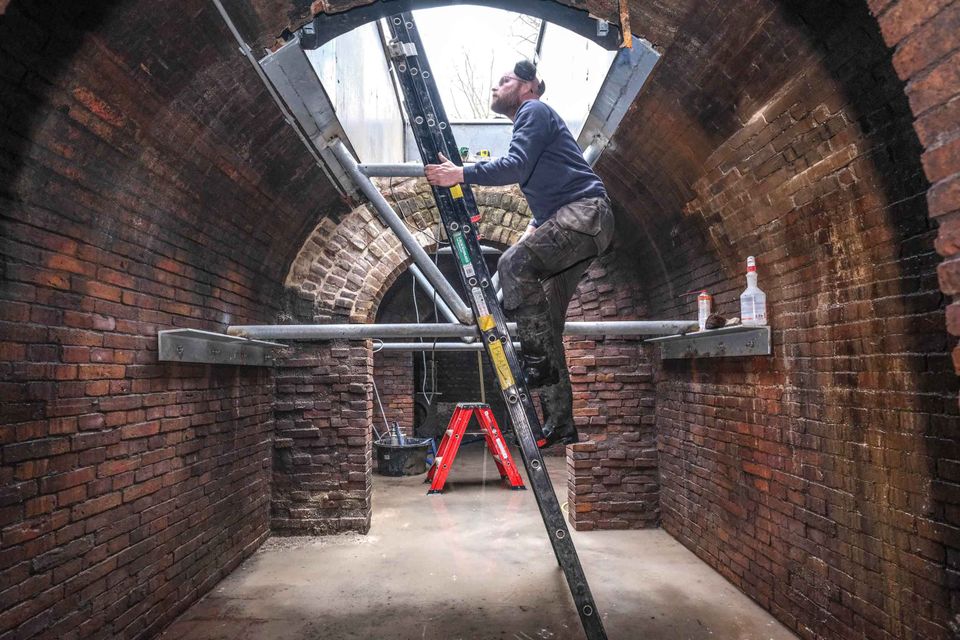
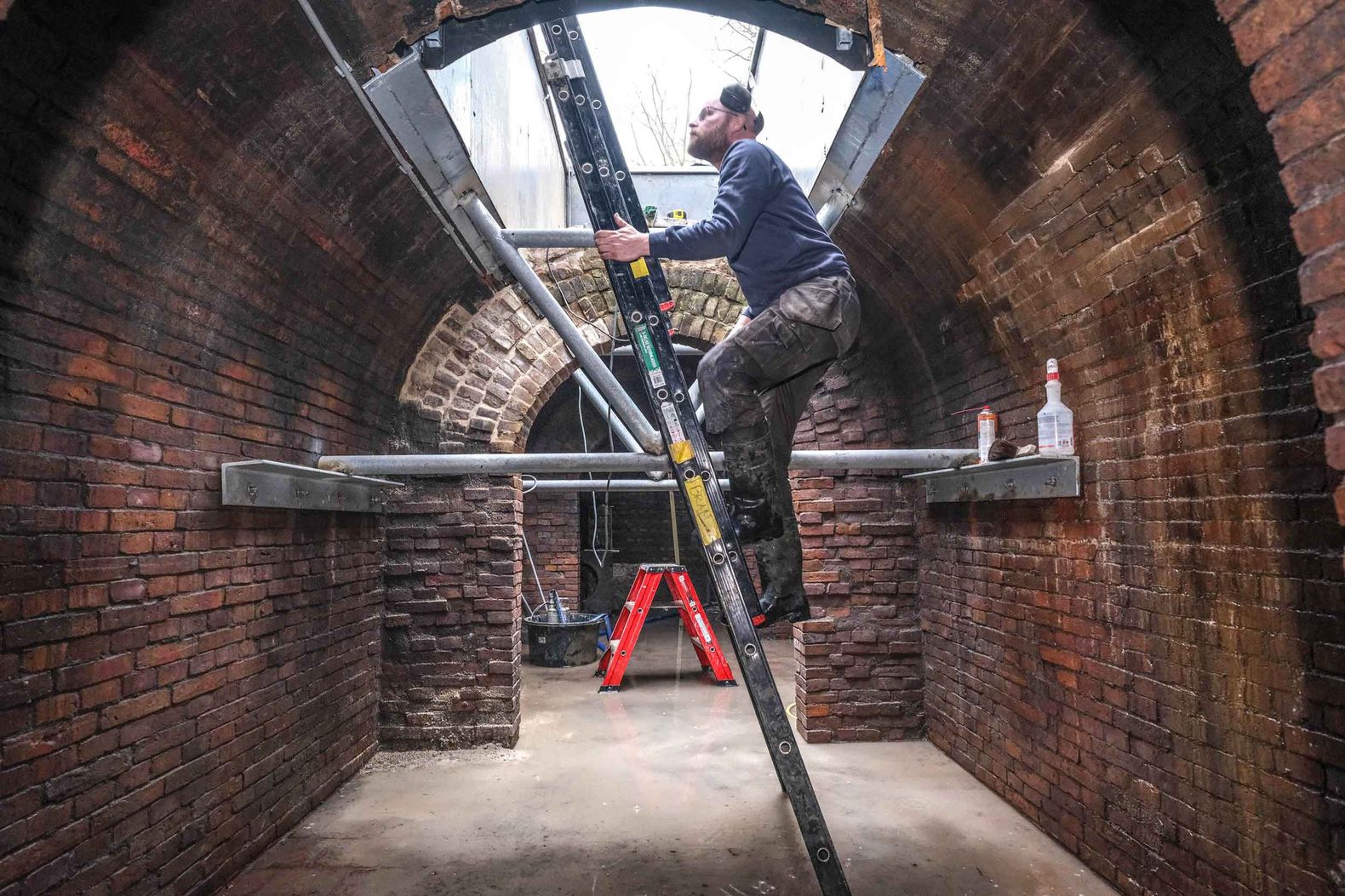
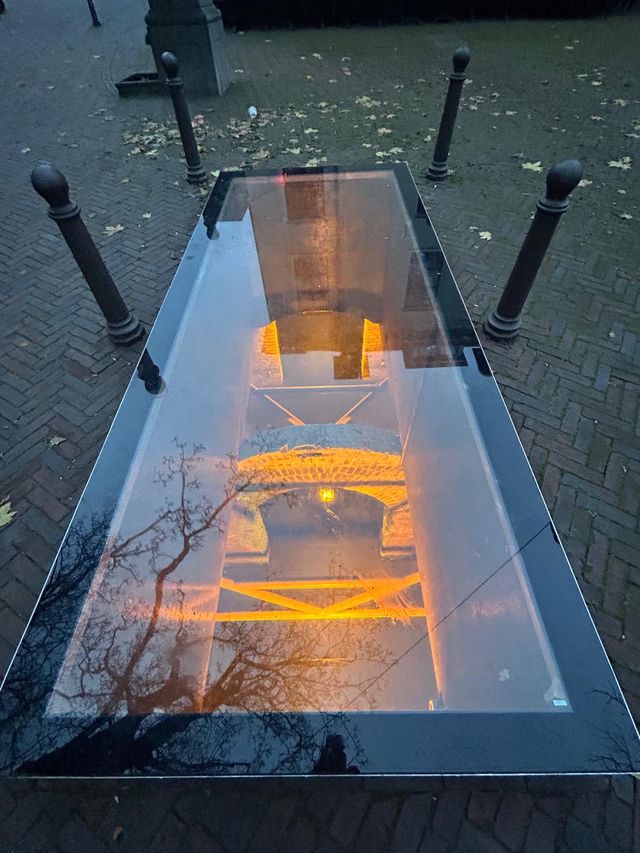
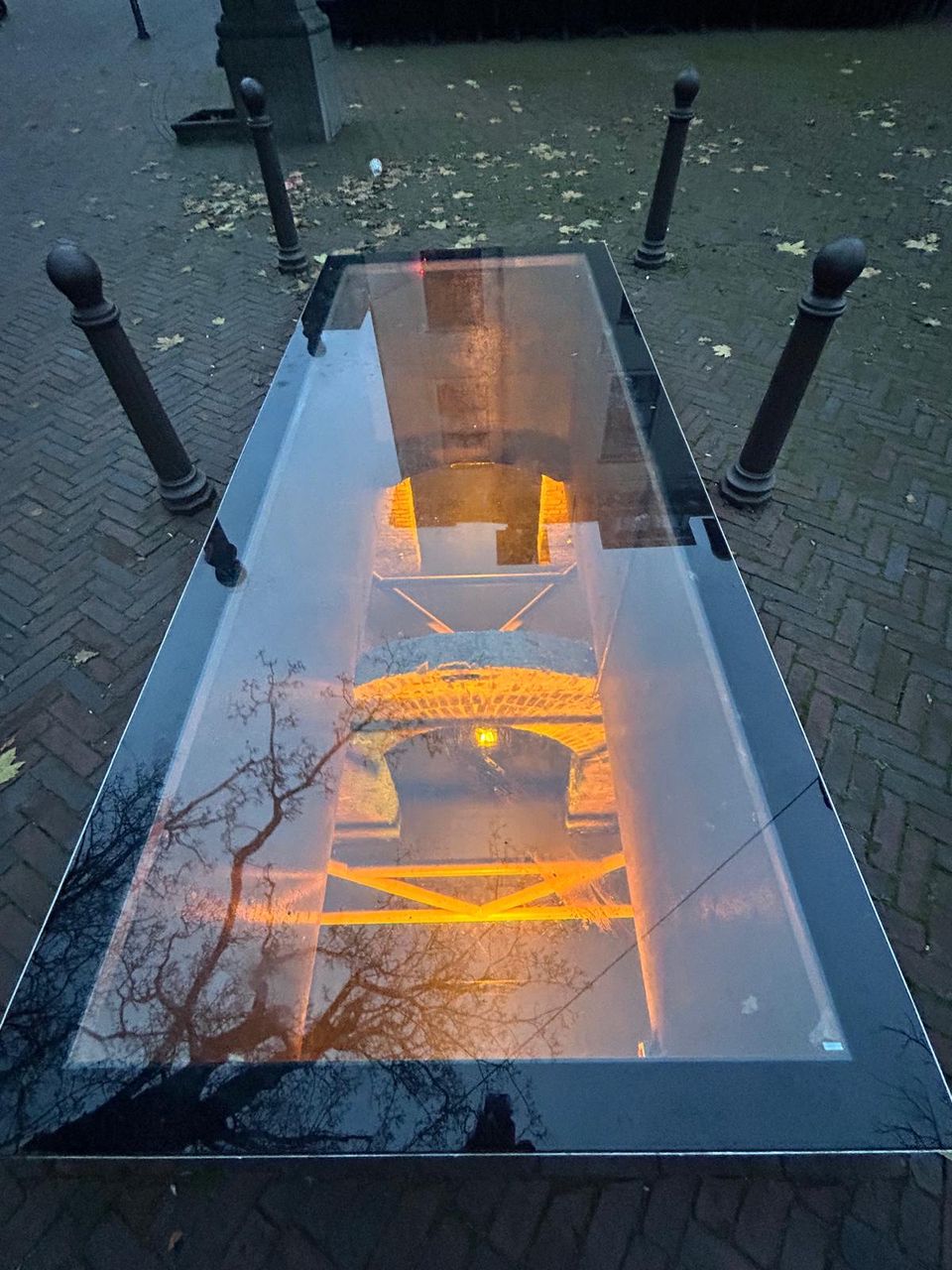
During the reconstruction of the church square in 2006, the cistern was found in reasonable condition. A pattern was then placed in the paving indicating the location of the cistern. The entire cistern is about 2.75m high, 2.75m wide and over 10m long.
In 2024, the cistern was fitted with a glass plate that gives a nice view of the underground structure.