
Cycle through a slice of extraordinary history


“ ‘This part of Groningen is for connoisseurs. If you give the VeenkoloniËn a chance, you’ll fall in love with this area.’ ”
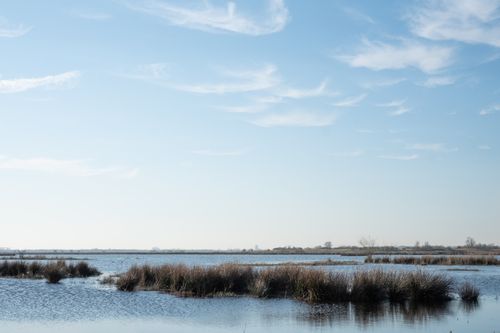
Love at first sight? Not everyone feels that way about the Veenkoloniën. This part of Groningen is for connoisseurs. But if you give the Veenkoloniën a chance, you’ll take this area to your heart. For centuries, the land here lay beneath a thick layer of raised bog. Since the Middle Ages, that peat has been excavated and used as fuel: peat. In the nineteenth century, the Veenkoloniën developed into the cradle of Groningen’s coastal shipping and agricultural industries. By then, the plaggehutten were long a thing of the past. It became a bustling region.
Veenkoloniaal museum
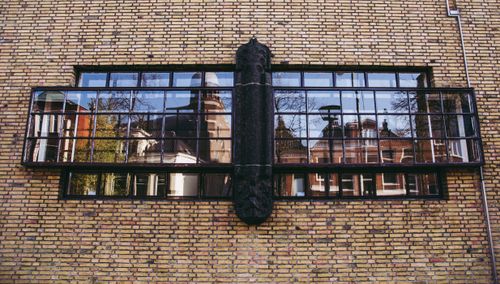
In Veendam, make sure to visit the Veenkoloniaal Museum. Here you will take a deep dive into peat extraction, canals, inland navigation, the rich agricultural industry and shipbuilding. Just say everything that made the Veenkoloniën great. The building is the old Rijks Hoogere Burger School, designed in Dutch Classicism by Rijksbouwmeester J.A. Vrijman. Before or after your visit, don't forget to take a walk in the surrounding area. There you will find beautiful grand villas, from Amsterdam School to Jugendstil. The Juliana Park is also a (green) recommendation, as is the Deer Park around the corner from the museum. It betrays the time-honoured allure of Veendam.


Borgercompagnie
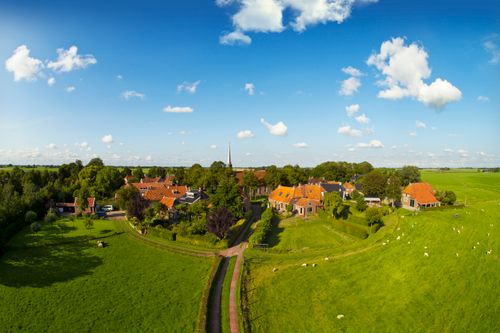
Driving for kilometres on end without it ever getting boring. That’s possible in Borgercompagnie. Impressive Oldambt farmhouses line the canal running through this ribbon village. The trees make it particularly beautiful and leafy. The village’s history dates back to 1647. It was then that the city of Groningen strengthened its hold on the Veenkoloniën. Nine citizens were granted permission to excavate the peat here. They joined forces to form a company. And that immediately explains the village’s name: ‘borger’ (citizen) ‘compagnie’. In 1655, one of the ‘borgers’ had a country house built: veenborg Welgelegen. Tired of cycling? In need of a rest? Or fancy a walk? Then pop into the French-style manor garden for a while.


The Pekelas
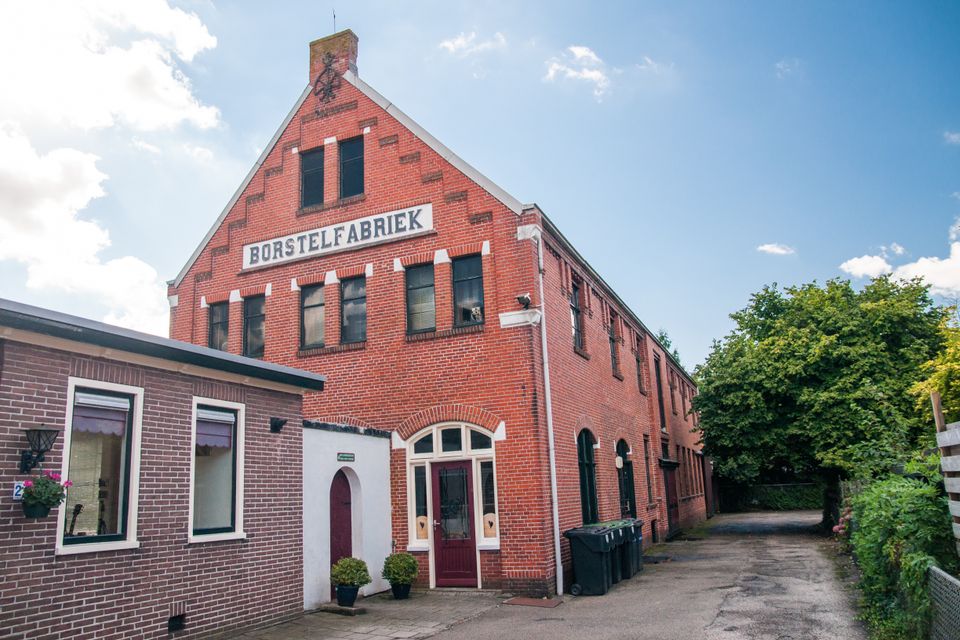
‘Pekel’ – surely that just means ‘salt’? Quite right; ‘Pekela’ is simply a reference to the Pekel A: a brackish little river in the peatlands that has been influenced by the tides of the Dollard for centuries. In the seventeenth century, peat extraction really took off here. At that time, the city of Groningen bought up virtually all the land around the Pekel A. Two centuries later, once the peat had disappeared, the area flourished. Shipping, trade and the agricultural industry were in their heyday. Along the ribbon-like street of Pekela, you’ll encounter reminders of that rich history. Take the rugged Free & Co strawboard factory or the imposing De Volharding farm barn. The fact that some people became fabulously wealthy here is evident from Villa Elsa, built in 1902. Anyone would love to live there. And we mustn’t forget the captains’ houses and the Nooitgedacht Sawmill: a reminder of the thriving shipping and timber industries.