


Off the beaten art
This city walk takes you on a journey through the undiscovered side of Groningen. We’ll venture off the beaten track and discover ‘off the beaten art’: art that you don’t really notice in the hustle and bustle of everyday life. Raw edges combined with the beauty of the city – that’s what you can expect from this art trail.
1. Street art in Papengang
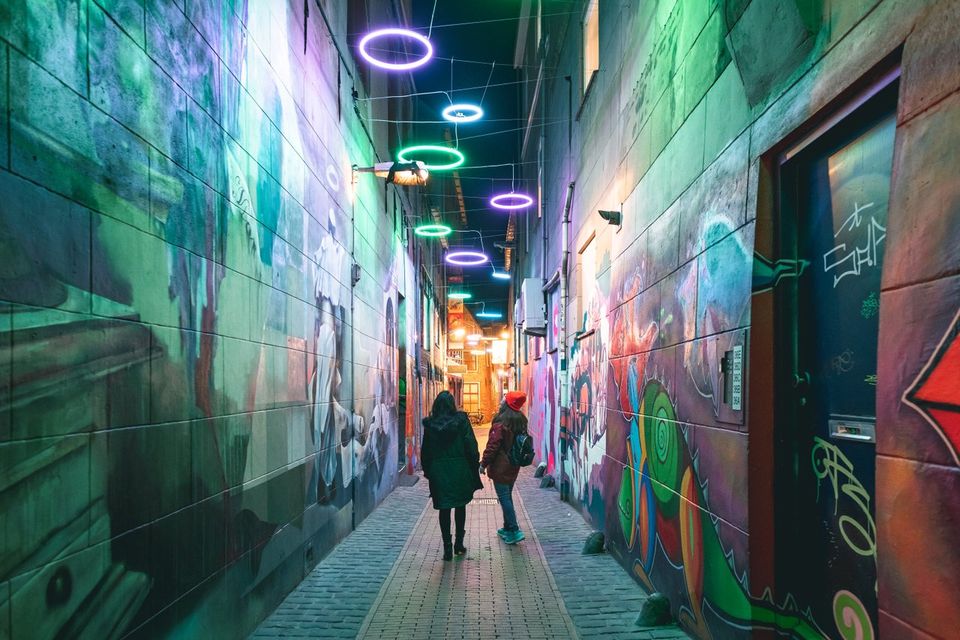
If you venture off the beaten track, you’ll also come across some seedy spots. A bit of an edgier side can be quite exciting. Take the Papengang, for example. Situated right in the heart of the city’s nightlife district, this alley used to have a rather dodgy reputation. Recently, however, this illustrious alley has been given a new look – quite literally. It has been transformed from a dingy alleyway into an attractive backstreet. Artists Klaas Boter, Iris Kruizinga, Loes Faber, Matthieu Keuter van Lewenborg, the duo Vaaf and Hans Vos have transformed the Papengang into a colourful and luminous gateway to Groningen’s nightlife.
Discover along the way
-
Groningen Store
Groningen Store

-
Forum Groningen
Forum Groningen

-
Oosterstraat
Oosterstraat
2. Vervlogen tijden – Klaas Lageweg (2015)
The pigeon that sees all thieves. You’ll find this metre-high mural right next to the police station. This city pigeon is ready to go. As he does so, he’s pulling a farmer and his milk cart along behind him. A reference to Farmer Bierling, the resident of the last farm in the heart of the city, where the multi-storey car park now stands. If you look closely, you can see pixels in the artwork. Artist Klaas Lageweg calls this ‘realpixelism’, adding a modern touch to his authentic street art.
Read more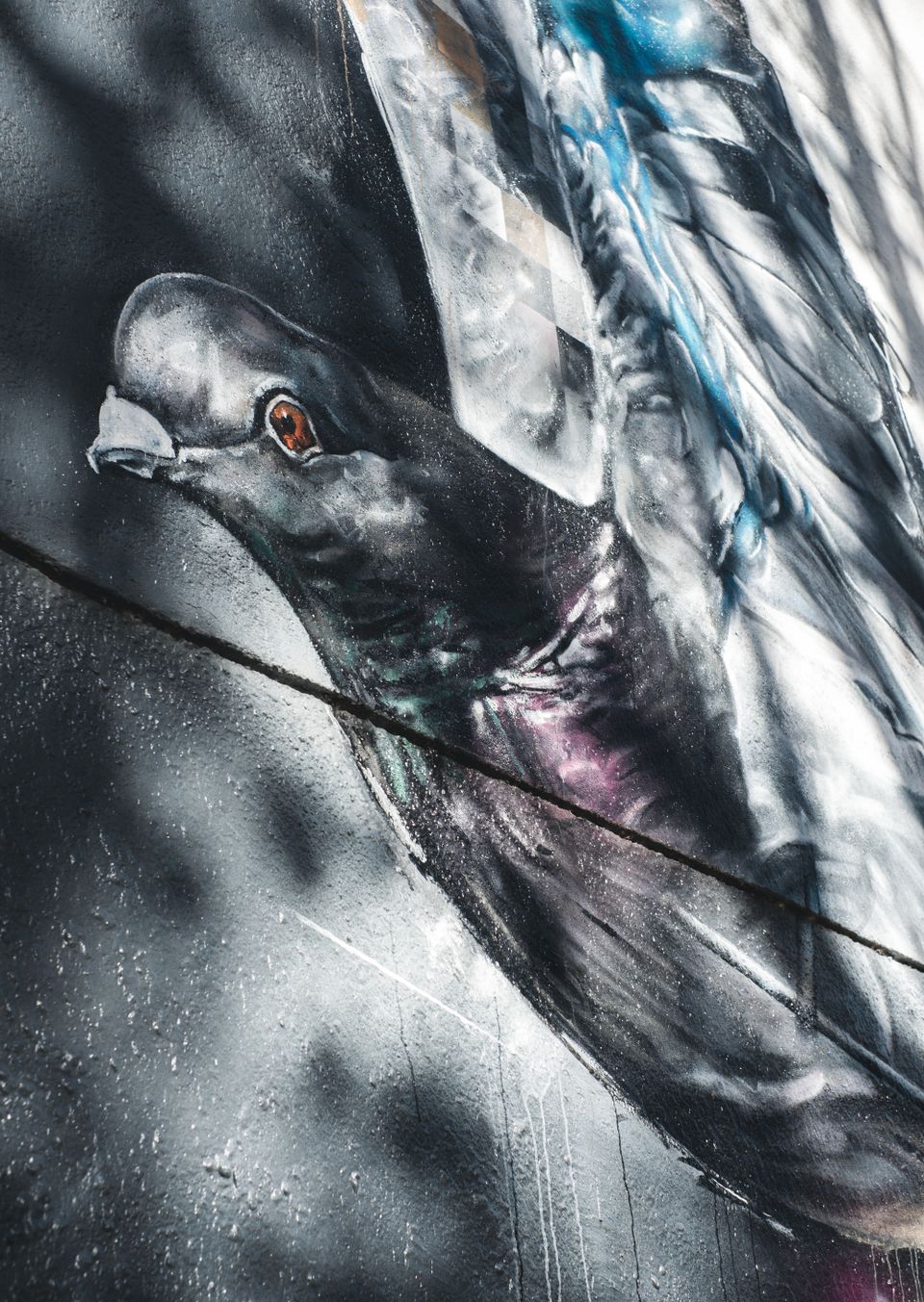
3. Tschumipaviljoen – Bernard Tschumi (1990)
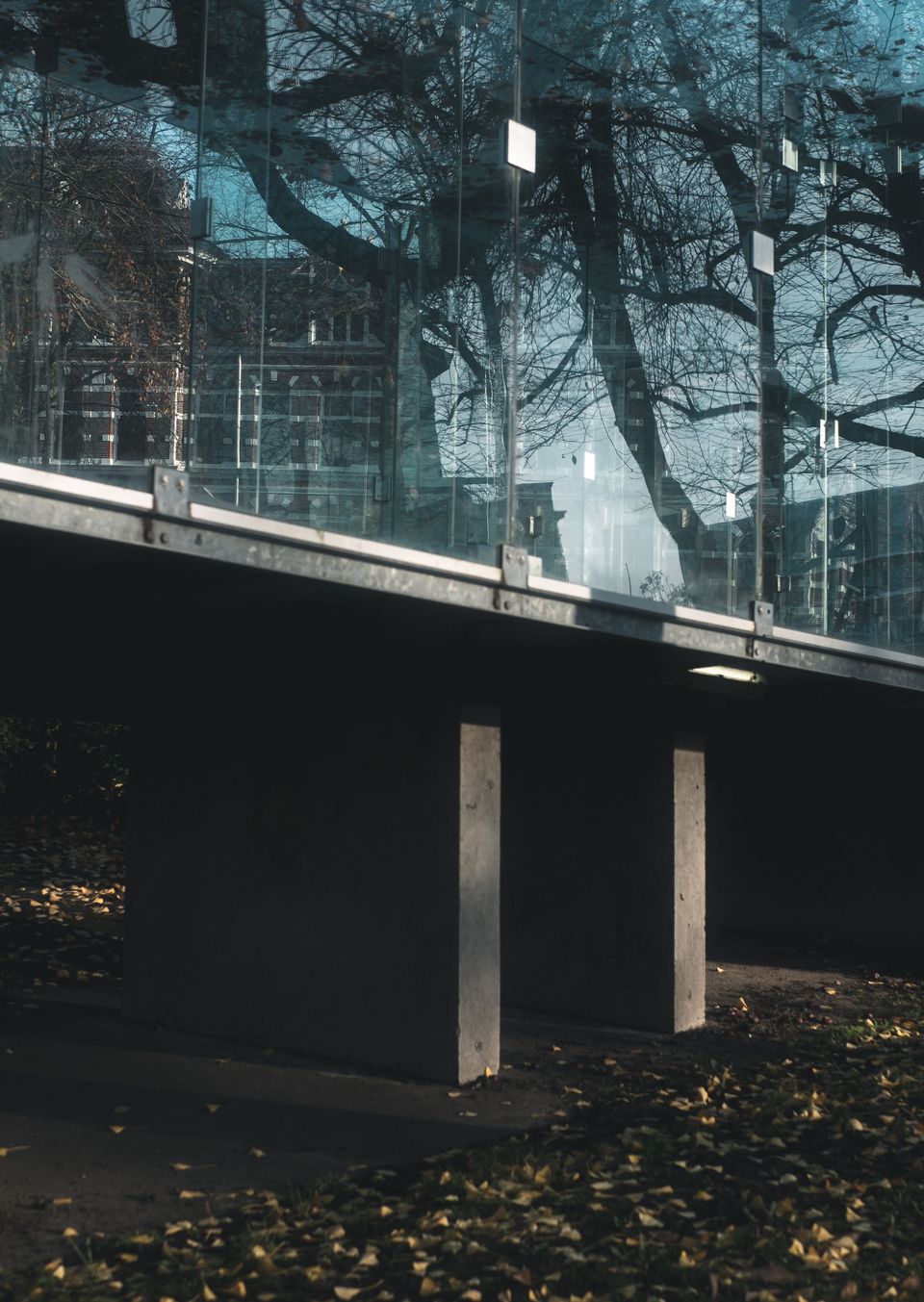
The Tschumipaviljoen, designed by deconstructivist architect Bernard Tschumi, formed part of an art event in the 1990s. Five artists were invited to design a pavilion for temporary use. This pavilion remained in place. A real eye-catcher in the city, this remarkable ‘greenhouse’. Exhibitions are still held there today, often featuring installations with an emphasis on modern media. And if you’re wondering how it’s possible that everything doesn’t slide into a heap despite it being so lopsided: if you look closely, you’ll see that the space is divided into five sections by perpendicular walls. That’s how everything stays in place.
4. Second Thought – Giny Vos (2008)
Many a Groningen local will, in their haste, have bumped their head against this upside-down snow globe in the cycle park. In this ‘underground’ artwork, you can recognise the familiar shapes of the main station. As the day progresses, a play of light and shadow transforms the station building into a fairy-tale-like shadow of itself. In this way, the dome creates a special connection between the historic station and the modern ‘city balcony’.
5. Station concourse interior – Isaac Gosschalk (1896)
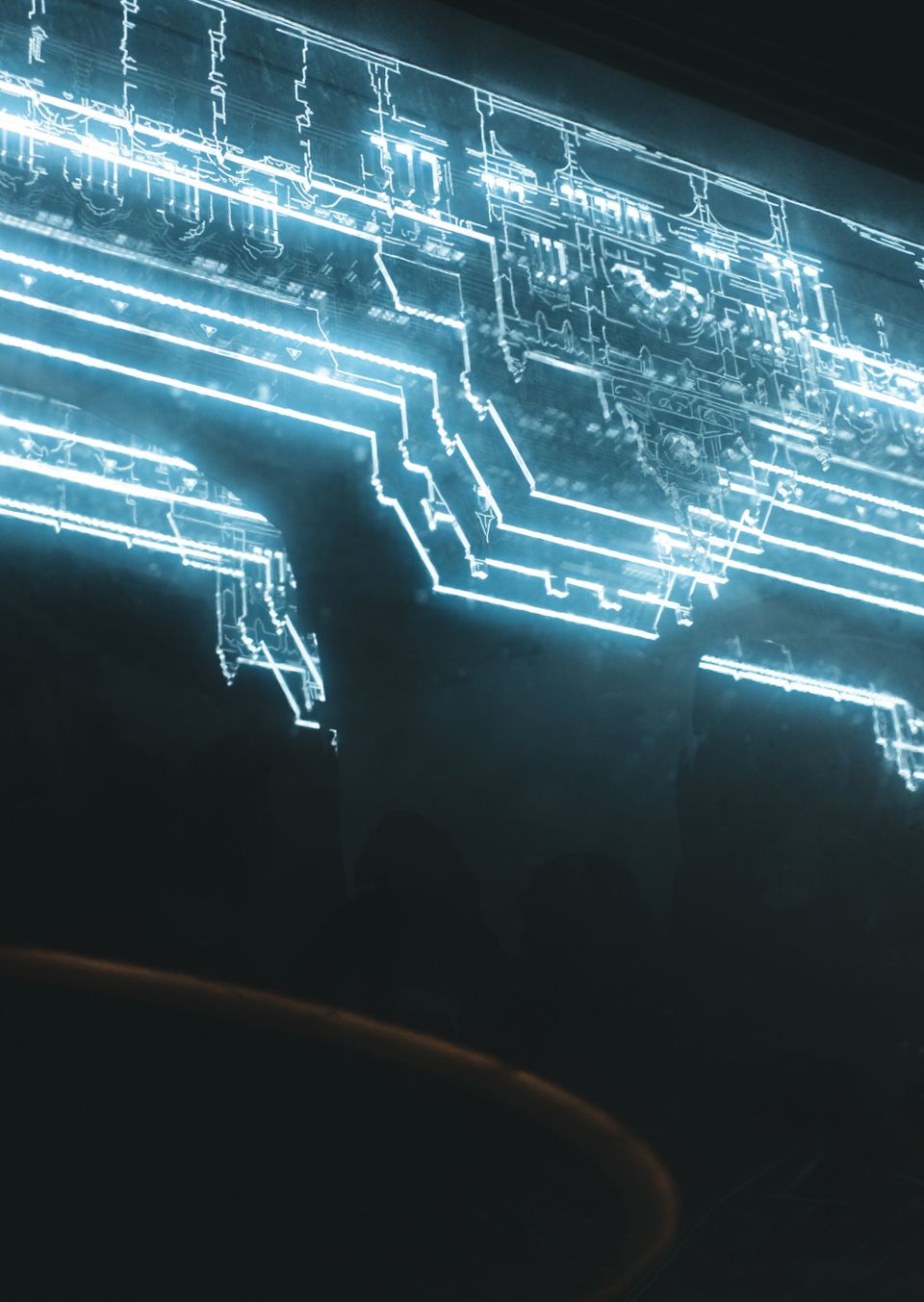
We can hear you thinking: “What’s ‘off the beaten track’ about a station concourse that’s been standing there for over a century?” In the hustle and bustle of everyday life, we tend to rush from one place to the next and forget to see the beauty in things we ‘already know’. Take a look up. This magnificent ceiling is made almost entirely of papier-mâché. Furthermore, the hall is a so-called ‘salle des pas perdus’, literally a ‘hall where footsteps are lost’. The Groningen artist F.H. Bach (then a lecturer at the Minerva art academy) is referring not only to the acoustics, but also to the hall’s function. A waiting area where people wander about to pass the time, moving their feet more or less aimlessly.


6: Hidden art in the Folkingestraat
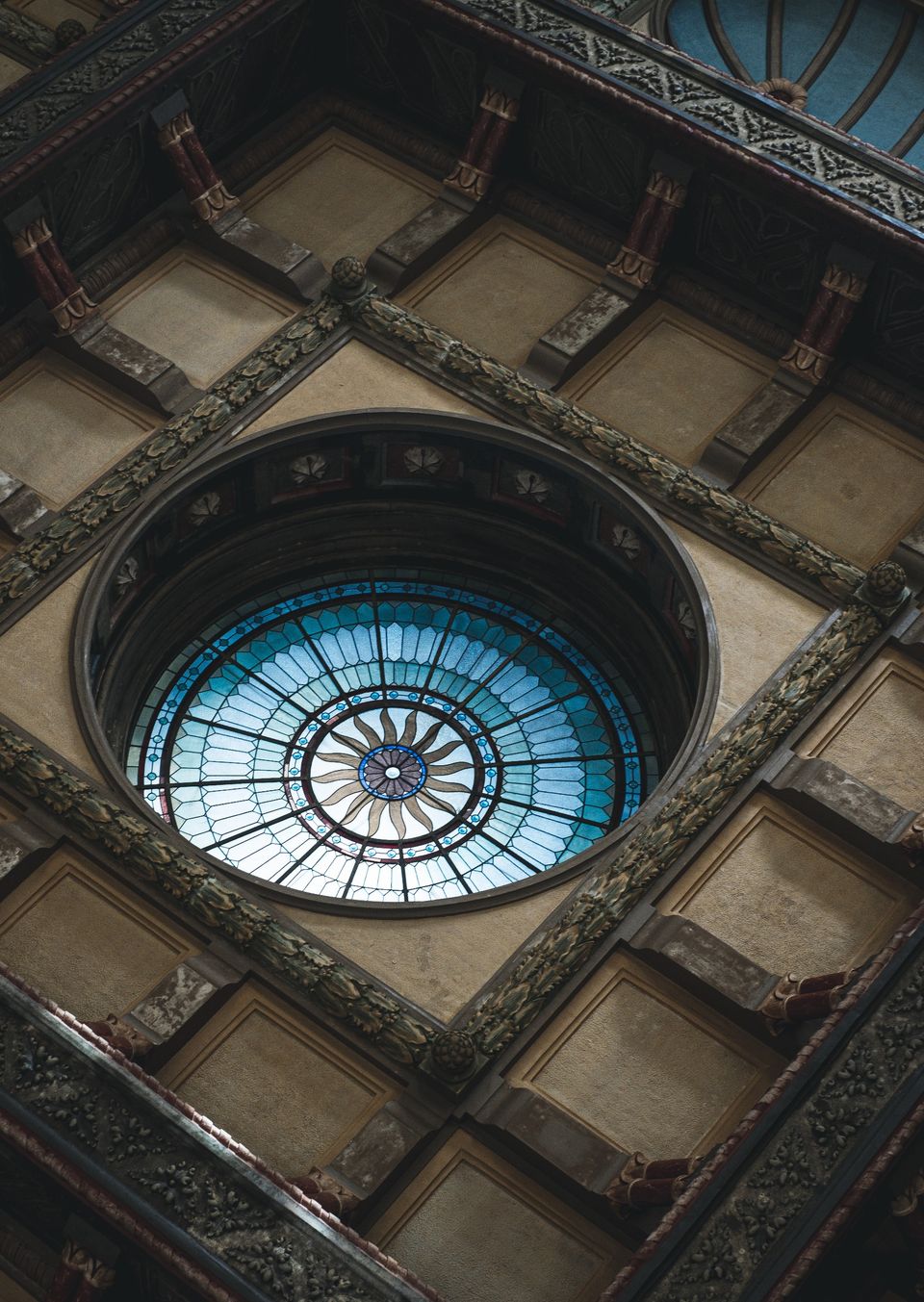
Welcome to Folkingestraat. It’s a street that’s won numerous awards. In 2014, for example, ‘de Folkinge’ was named the best shopping street, amongst other accolades. Not only are you literally in the right place here for fun, original shops, boutiques and eateries; it’s also a real gem when it comes to art. No fewer than three of the artworks on the route are located on this street. So keep your eyes peeled.
Jewish history
It goes without saying that the Folkingestraat is a lively and colourful street. Yet this street also has a dark past. During the Second World War, for instance, the liveliness of the Folkingestraat – at that time the heart of the Jewish quarter – came to an abrupt end. The residents were taken to concentration camps, leaving their shops and trades behind. The (hidden) art in Folkingestraat reminds us of this period – not through‘in-your-face’memorial stones, but through subtle art.
Subtle art
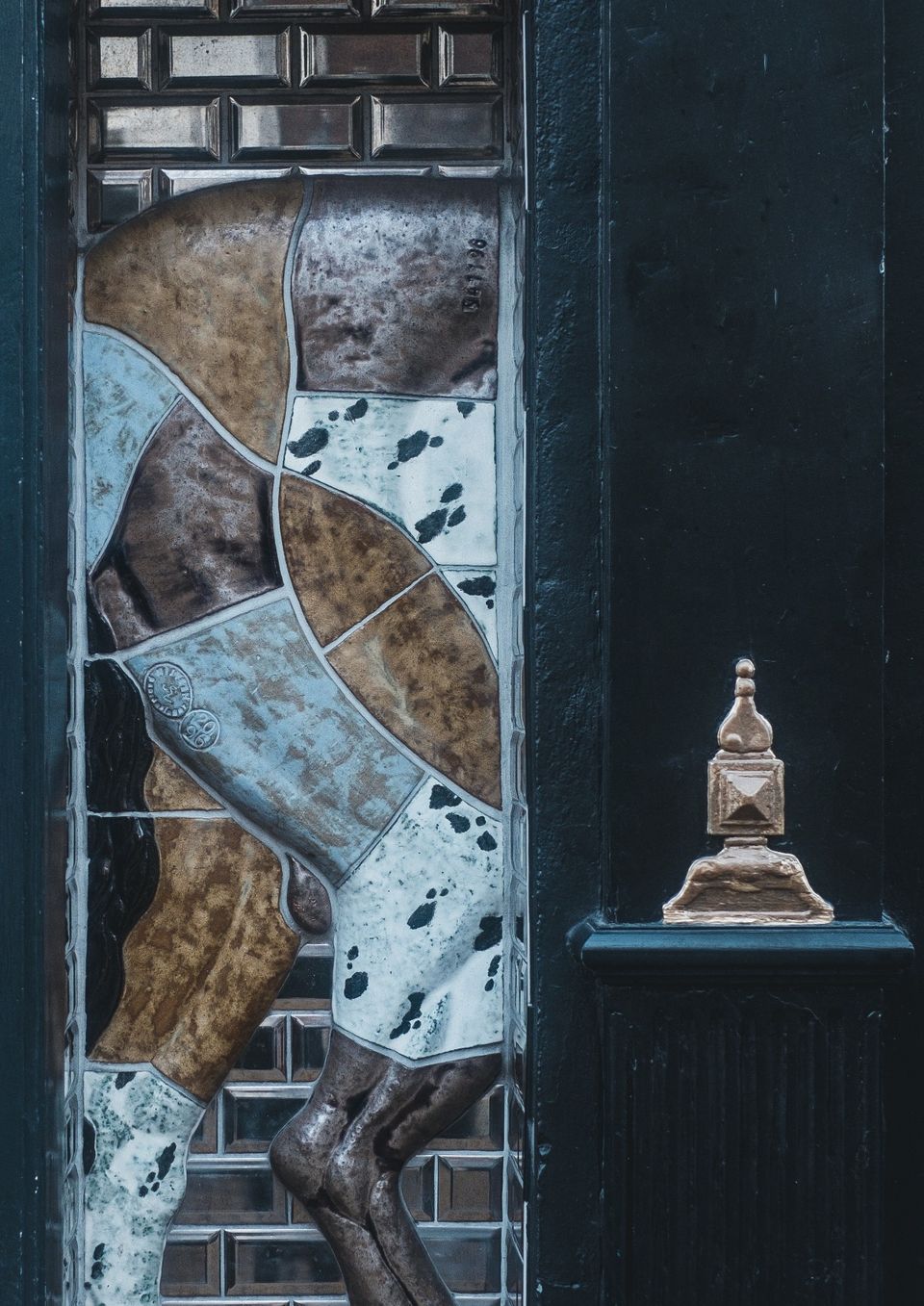
Here, for example, you’ll find Gert Sennema’s Portaal (hidden door). Behind this closed door lies the history of the Folkingestraat, which no one can recount any more. If you look down at your feet, you’ll see Joseph Semah’s Galgal Hamazalot embedded in the paving stones. From start to finish, you walk past the different phases of the moon. When you piece them together, you’ll see an eye in the moonstones. The eye that saw everything. Finally, there is Marijke Gémessy’s (pre-cut) showpiece in the wall between numbers 23 and 25. A horse butcher used to be based here, and this horse is the only remnant. Behind it, you can see the butcher’s tiles, which are still authentic, though only their colour has changed.
Discover along the way
-
Folkingestraat
Folkingestraat

-
Noorderlicht
Noorderlicht

-
Museums in the city
Museums in the city

7. Public toilet – Erwin Olaf & Rem Koolhaas (1996)
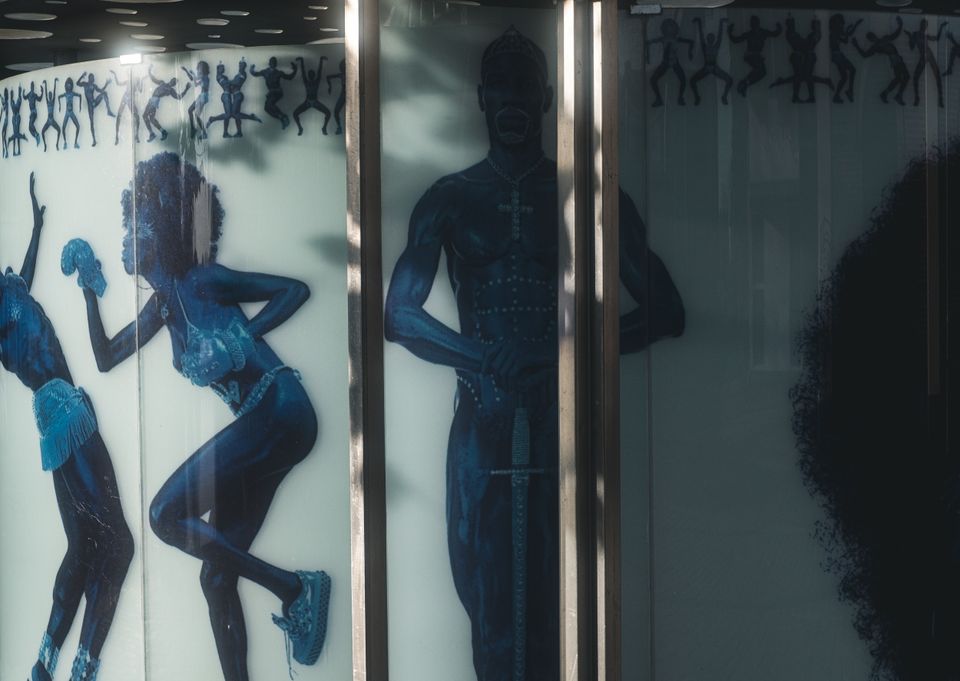
If you’ve got to go, you’ve got to go. And where better to do so than at this unique urinal? Inside the public toilet, you’ll see a photo collage depicting the ‘battle of the sexes’: ladies and gentlemen playfully attacking one another. Dressed in pearls and diamonds, brandishing rolling pins, swords and boxing gloves. The circular toilet block, designed in 1996 by Rem Koolhaas, is constructed from frosted glass. With Erwin Olaf’s photographs adorning it, it makes for a rather cosy spot to do your business. It’s even more cosy thanks to the two entrances: one for the ladies and one for the gentlemen, so you can ‘go’ at the same time.
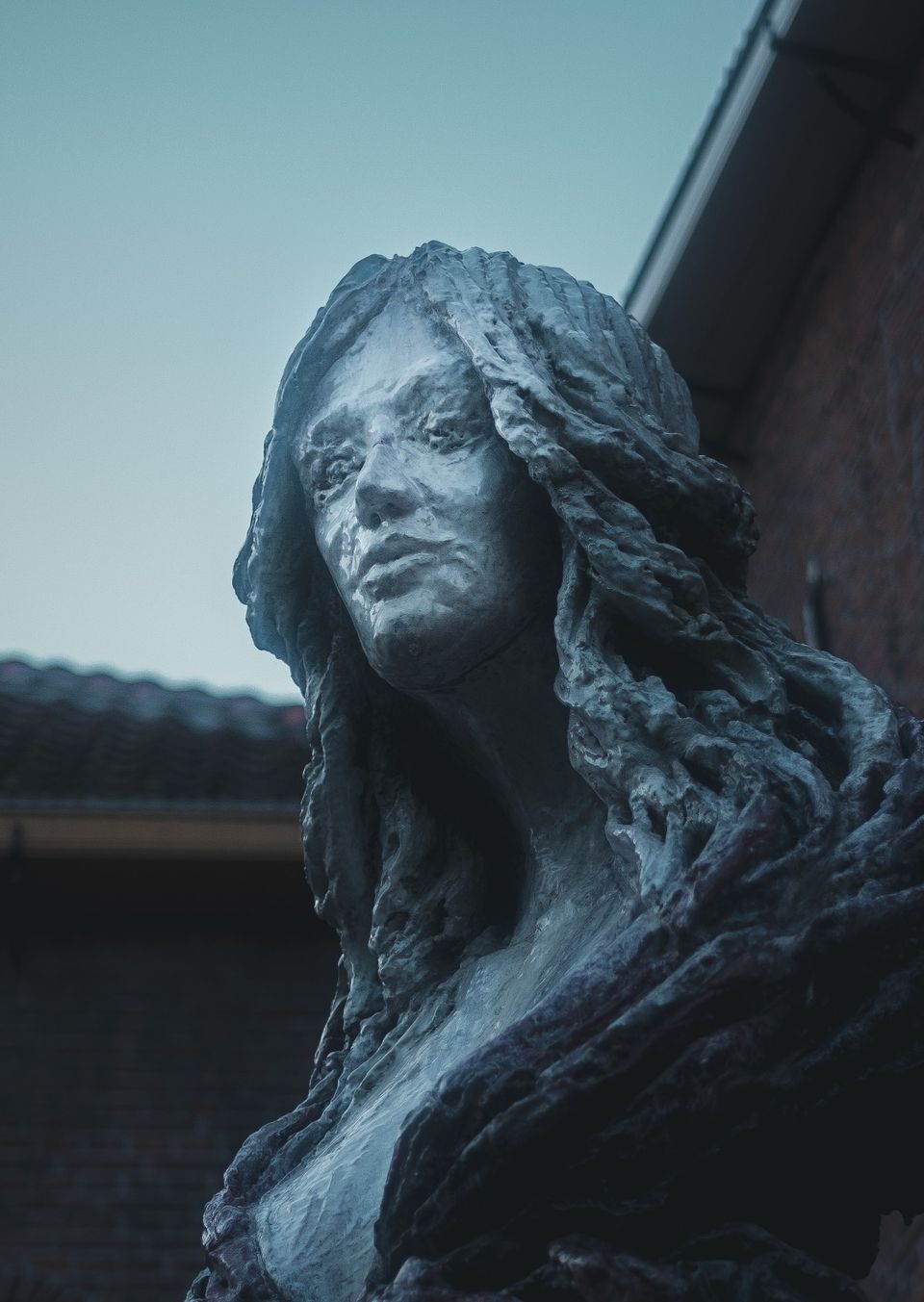
8. Bust of a woman on a commemorative column – Anne Wenzel (2018)
De Vishoek used to be a hub for ships from the Zuiderhaven and Noorderhaven. And where there were harbours, there was prostitution. Until a few years ago, a predominantly red glow shone through the streets here. For centuries, this neighbourhood was home to women of the night. Now there is only one left: the bust of a woman, created by Anne Wenzel. Thanks to this bust, the ladies still define the streetscape of the A-kwartier. With this work, Wenzel has created a monument to women as human beings, with all their beauty, strength and vulnerability.
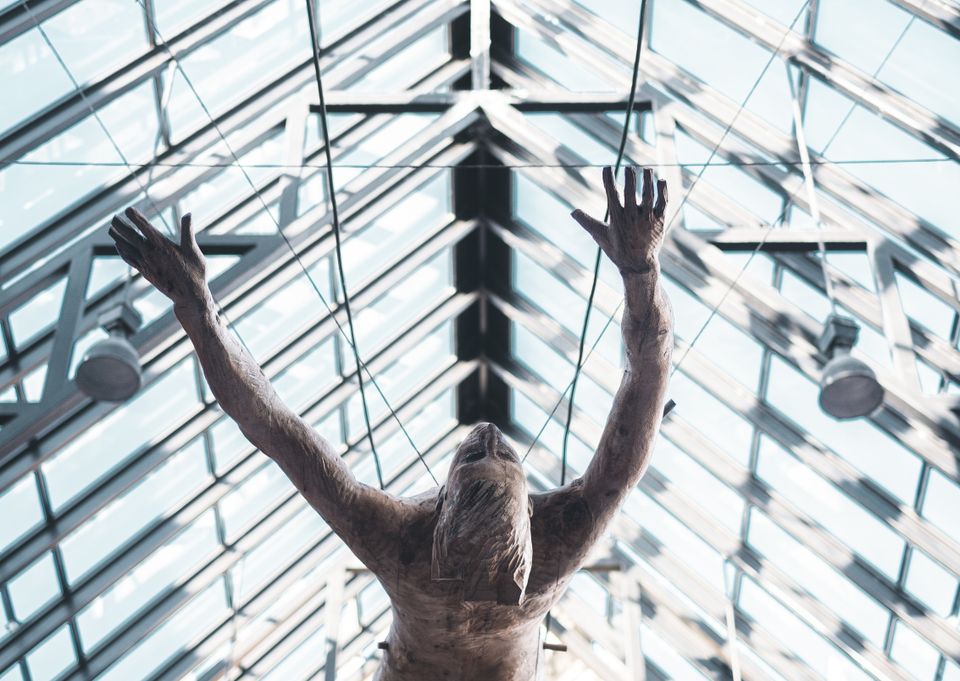
9. Farsi Making space – Janet Mullarney (1996)
FarsiMaking Space does not hide behind anything; it is fully visible, yet is rarely noticed by passers-by. This is because the artwork hovers six metres above the ground. Farsi Largo means ‘moving forward cautiously’ in Italian. Although the artwork is almost a quarter of a century old, it is perhaps the very embodiment of our times: making space for the ‘one-and-a-half-metre society’. This man and woman, who appear to be floating towards each other, show us a sense of connection without being close to one another.
10. Wervel – Nicky Assman (2019)
The final artwork on the route can be found in the car park beneath the Forum, the impressive spaceship in the heart of the city. Is Wervel the hidden gem? Certainly not! This 20-metre-long LED sculpture is inspired by a tornado. Artist Nicky Assmann combines art, nature, science and cinematography in her work. The result is a whirlwind of composed video images with flowing, dynamic, hyper-colours. This creates a stunning composition of light, movement and imagination that amazes and stimulates the senses.
