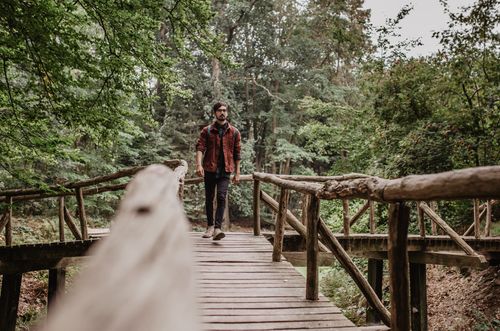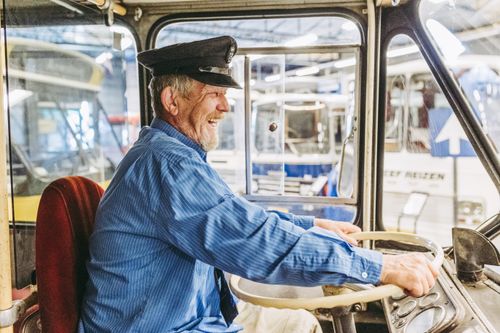
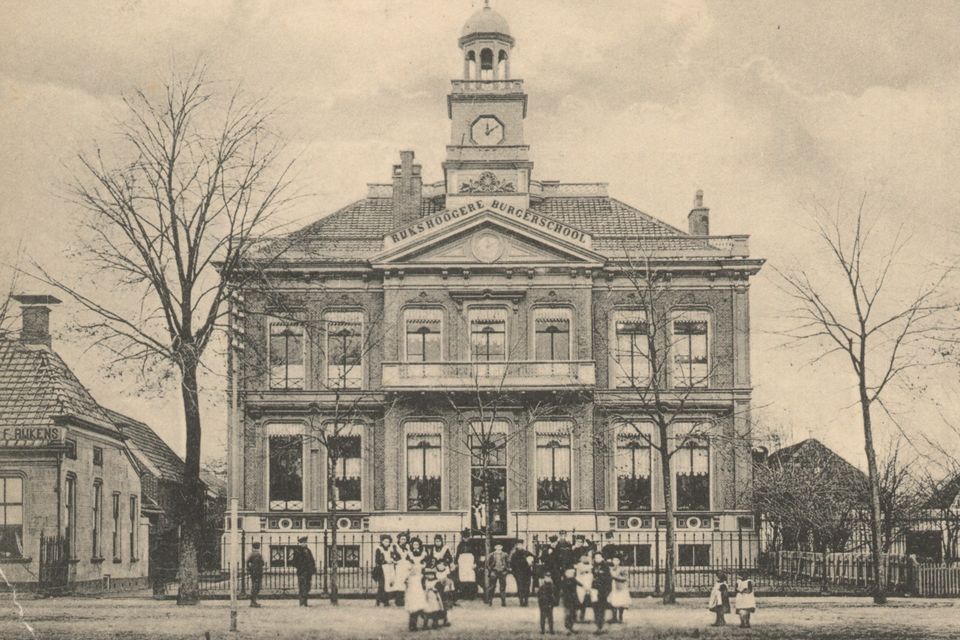
Did you know that well-known Dutch people were born and raised in Midden-Groningen? And that you can still see past activities in today's villages? Discover it on foot or by canal boat during History Month.
Hustle and bustle on the Winschoterdiep
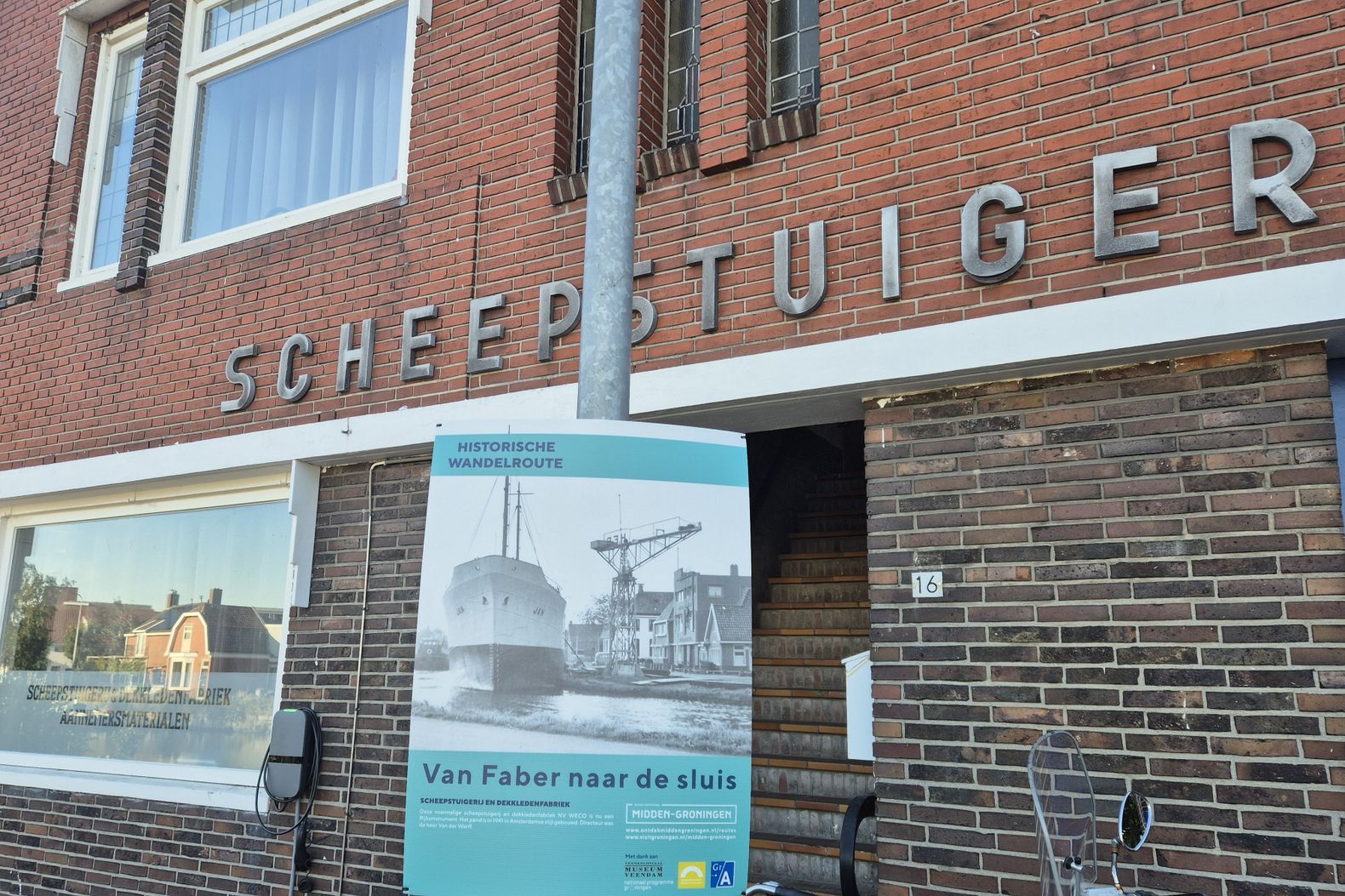
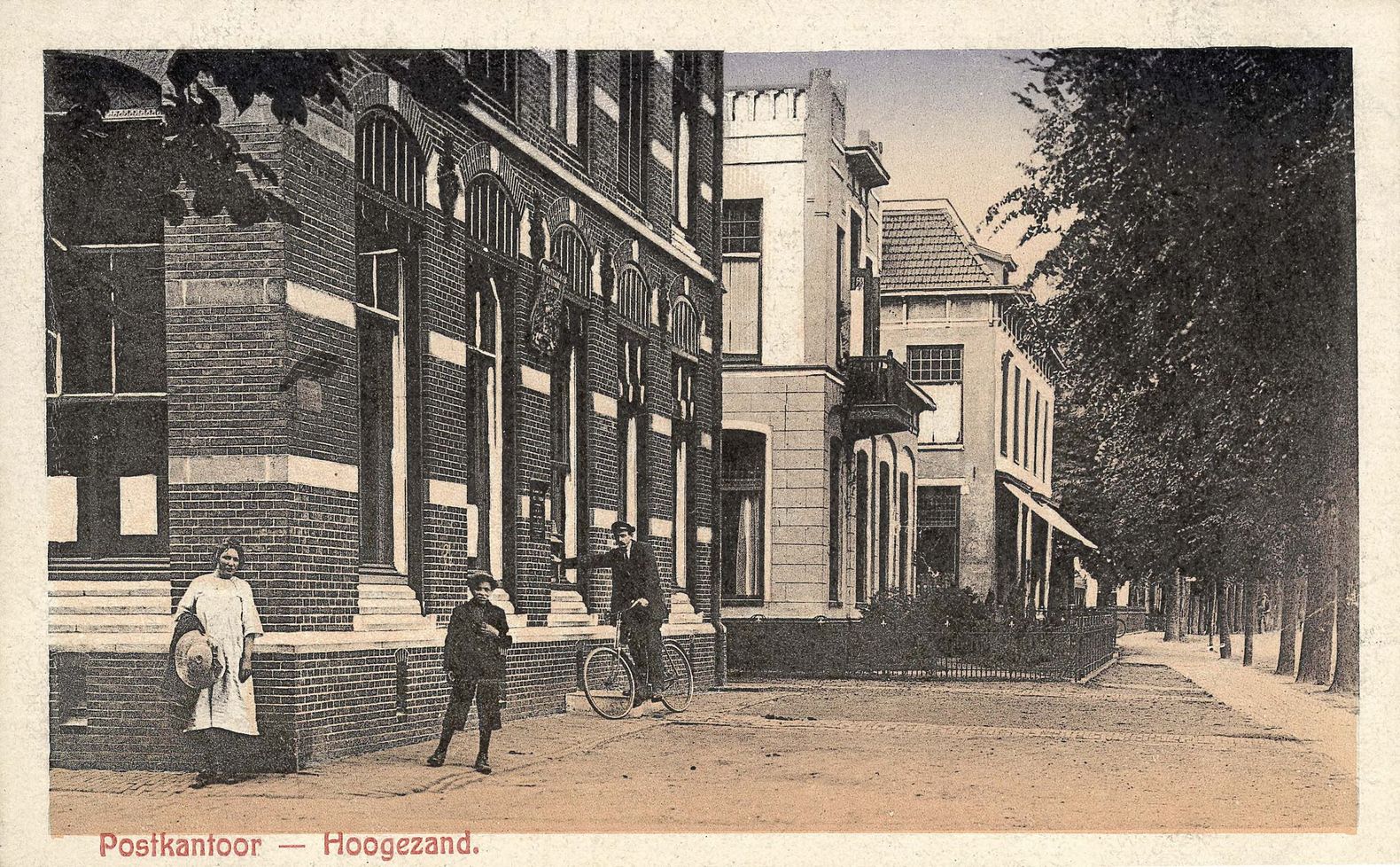
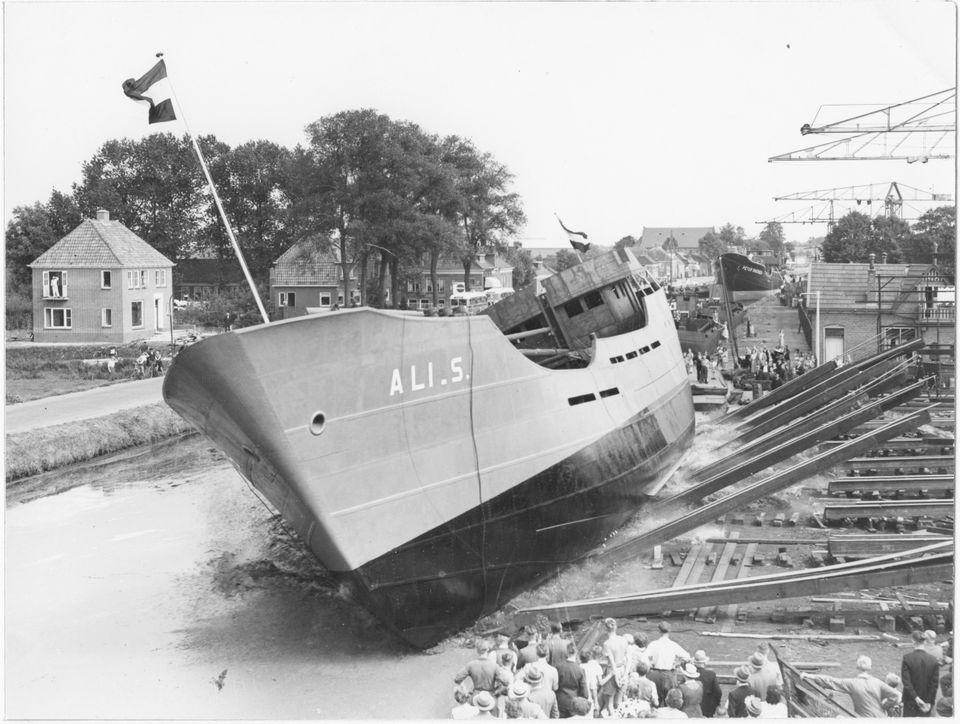
Ever wondered why streets in so many villages in Midden-Groningen are dead straight? That has to do with peat extraction. To extract this precious fuel and transport it to the city of Groningen, canals were dug from the 16th century onwards. Villages sprang up along these canals and there was plenty of activity at the locks. This was also the case in Hoogezand and Martenshoek on the (now filled in) old Winschoterdiep. There were dozens of shipyards and factories along the water but also beautiful country houses. In Martenshoek, hundreds of ships passed through the lock every week. Here there were shops selling everything and cafés where ship hunters quenched their thirst while waiting for their next ship. With the 'From Faber to the lock' walk from Hotel Restaurant Faber in Hoogezand, you will discover this past. In October, posters with photos of what it used to look like will be displayed everywhere along the route. On 29 and 31 October, you can also take a boat tour from Martenshoek where you can learn more about shipbuilding then and now (registration required).
Writer and hero of the Groningen language
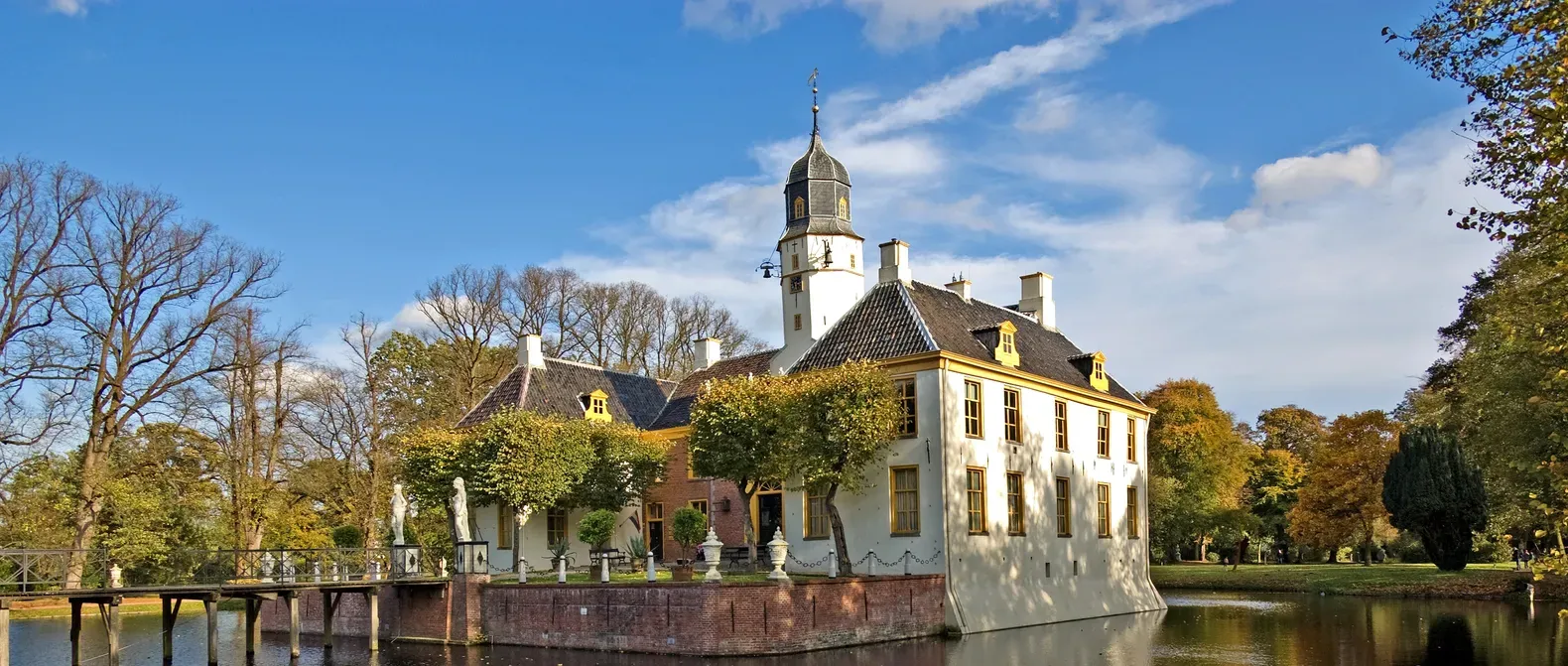
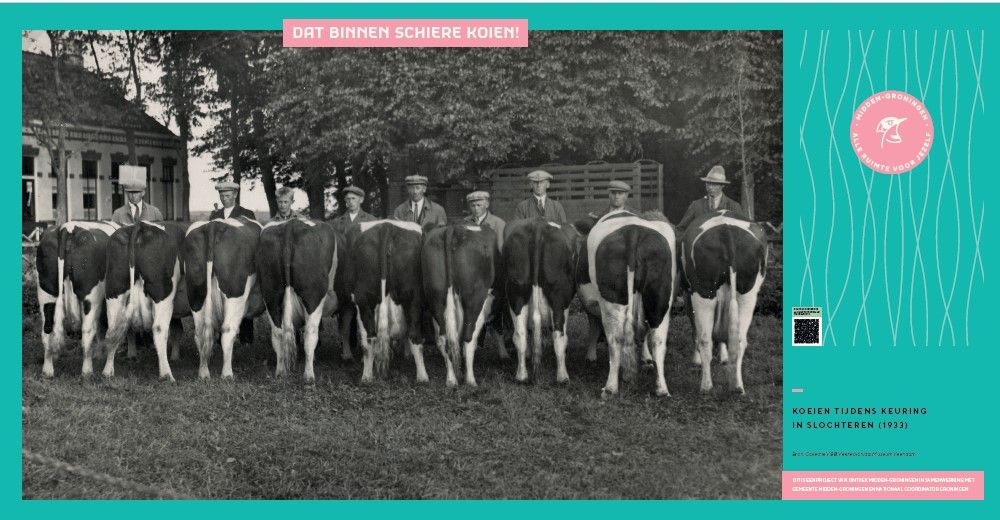
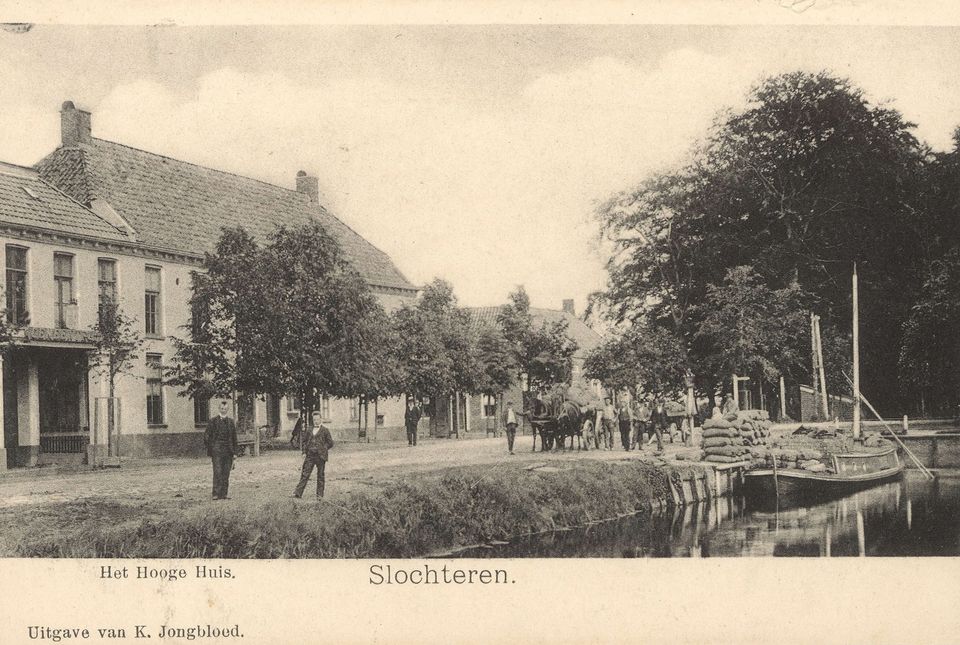
The author of the thick New Groningen Dictionary is K. ter Laan (1871-1963). He grew up in Slochteren and, besides the dictionary, wrote all kinds of stories set in Groningen, such as about the 'thick tree' in the Slochterbos. In the middle of Slochteren is a monument by Ter Laan. From here, you can walk a route through historic Slochteren: 'Aan loop mit K. ter Laan'. You pass the Hooge Huis, also known as the Regthuis, the Fraeylemamolen and of course the Fraeylemaborg. Several places are accompanied by short films in which Olaf Vos tells about Ter Laan's life and stories. These films are on the online map. Along the route, canvases hang on the construction fences around buildings that are being reinforced. The canvases feature photos of what it used to look like in Slochteren and a Groninger saying. Such canvases can now also be found in Siddeburen and Overschild, to embellish the construction fences.
The first woman to pave the way for others
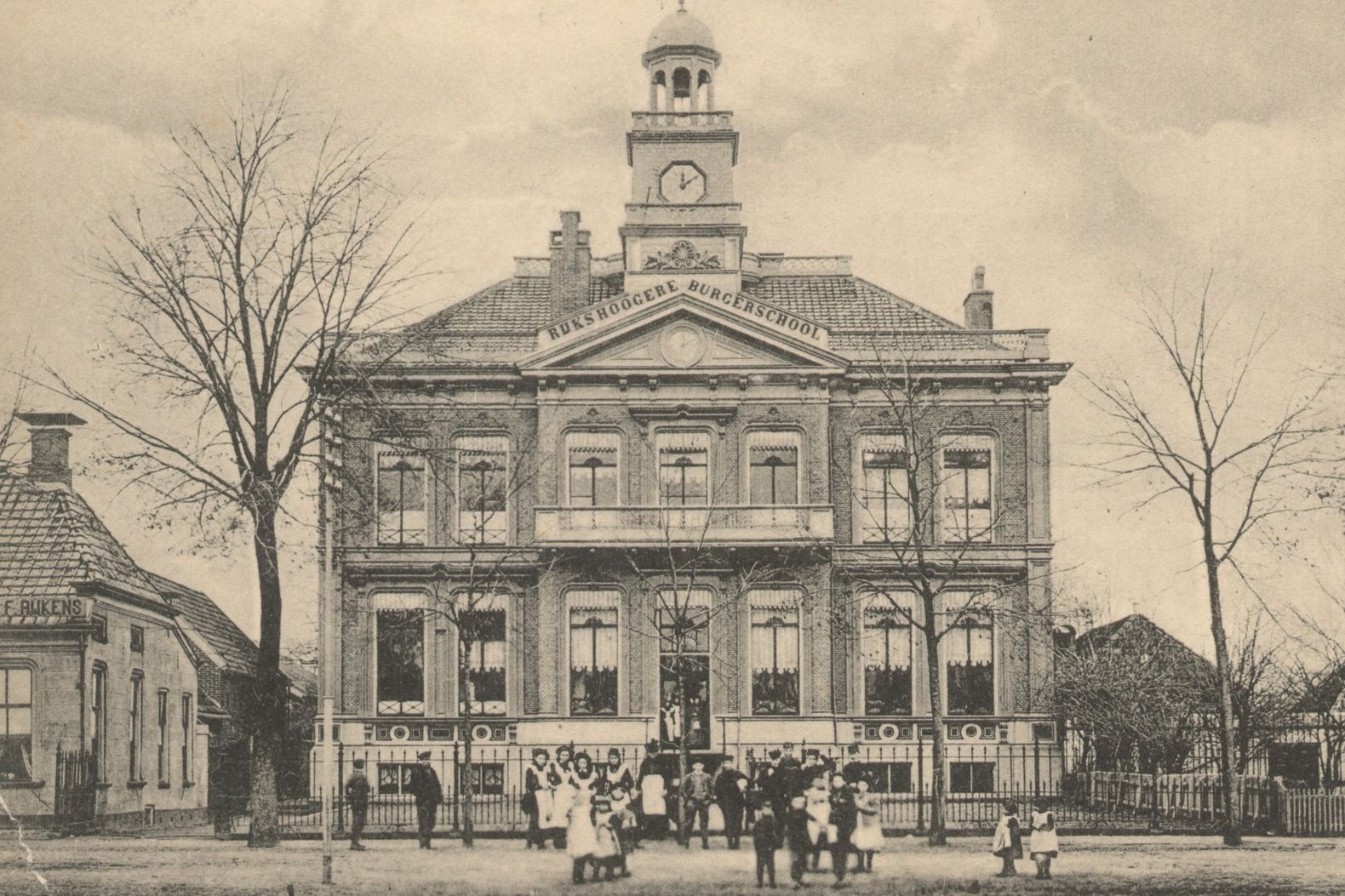
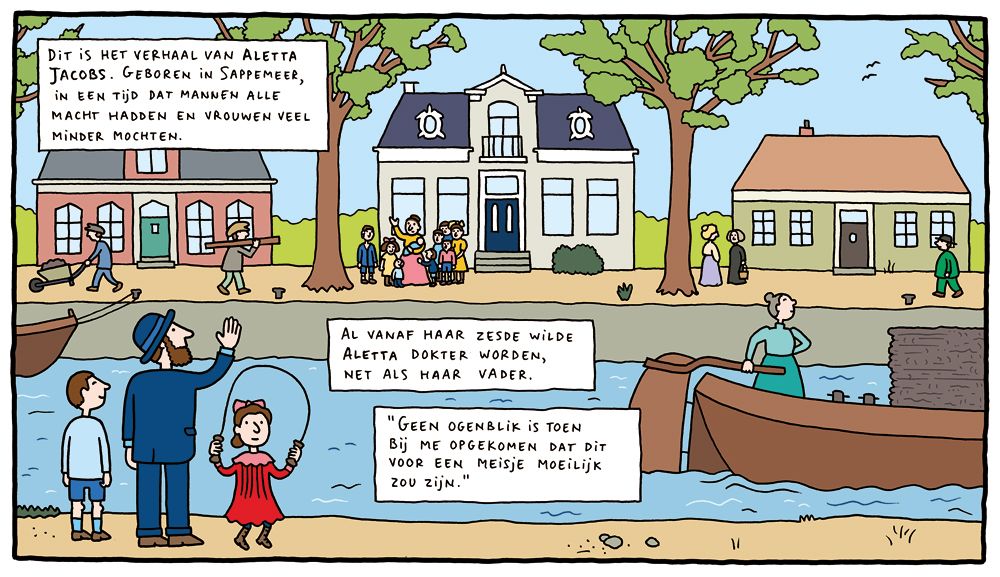
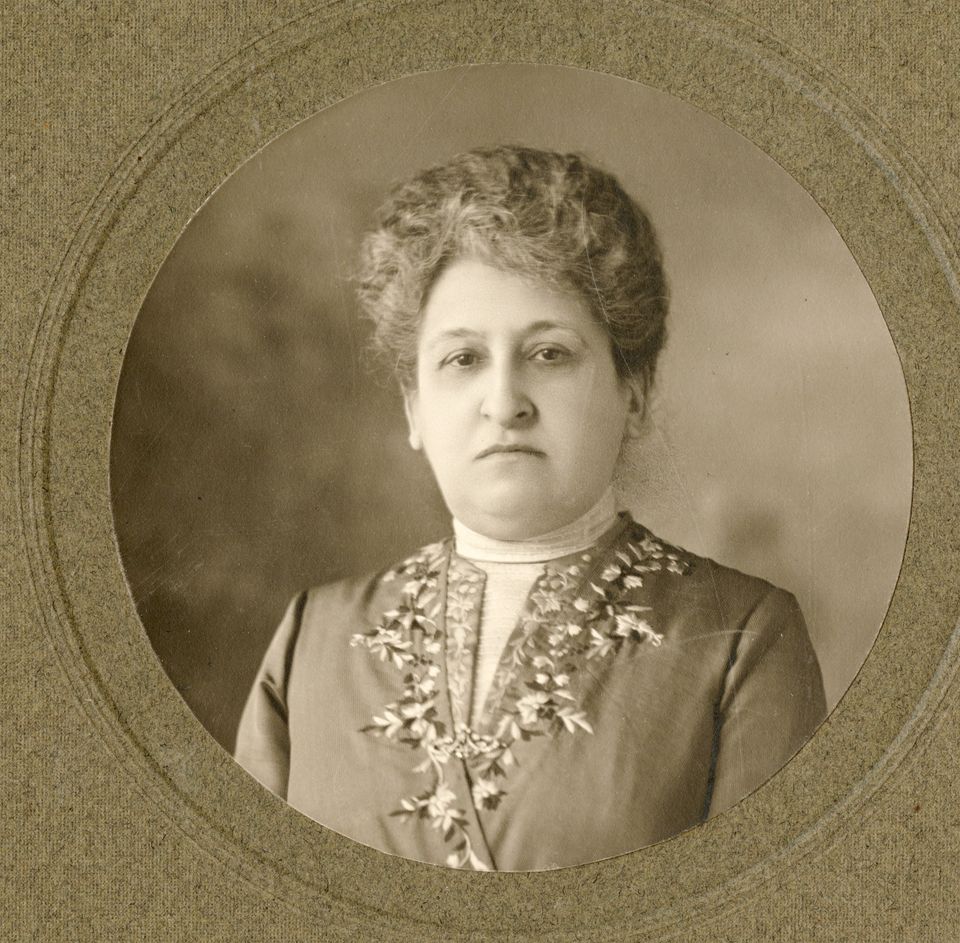
Aletta Jacobs was born in Sappemeer on 9 February 1854, the eighth of 11 children. At the time, Sappemeer, like the rest of the Veenkoloniën, was a haven of tolerance. Different faiths coexisted peacefully, men and women worked at least equally hard. Aletta Jacobs sees misery through abuses in healthcare, housing and alcohol abuse, but also strong women who hold their own in the harsh society. Jacobs becomes the first woman to graduate from a Dutch university (in Groningen). As a general practitioner, she dedicates herself to improving the health of certainly women and she works with others to ensure women's suffrage. The walking route 'In the footsteps of Aletta Jacobs' takes you past historical sites in Sappemeer such as the former HBS, St Willibrordus church and Historische Scheepswerf Wolthuis. At the Skating Museum, you can go back to the winters of yesteryear. You can start the route at Station Hoogezand-Sappemeer, where there are canvases with cartoon drawings by Barbara Stok about the life of Aletta Jacobs.
The online map shows all walking routes. You can find those at www.ontdekmiddengroningen.nl where there is also more information about signing up for the canal tour.