The Fire of de Graanrepubliek
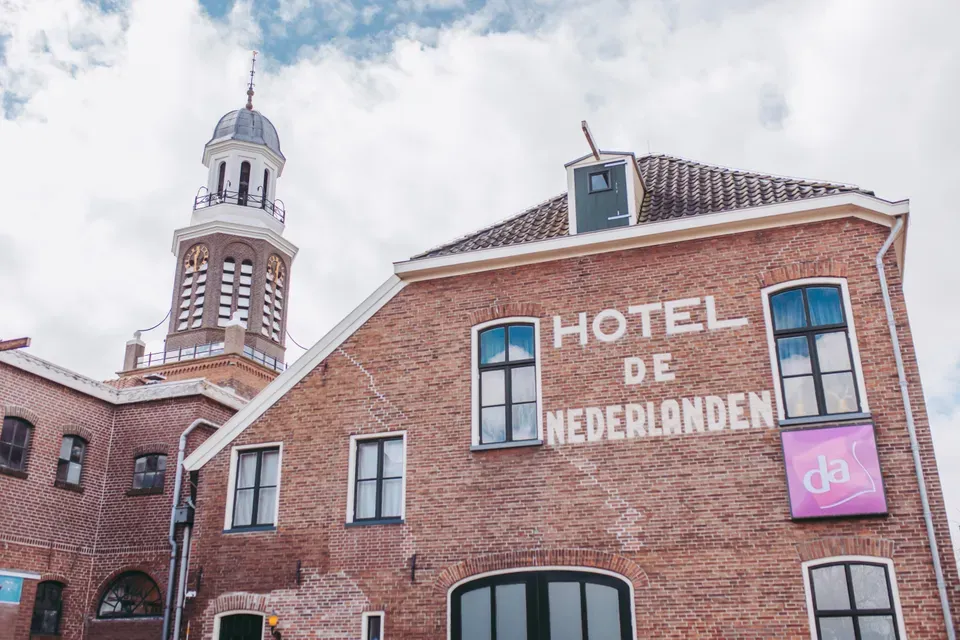
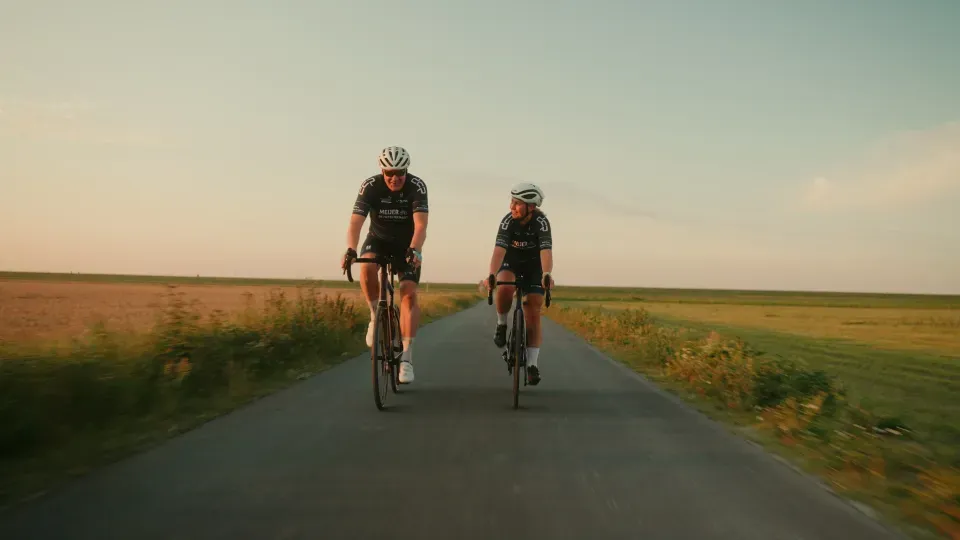
The route we’re following starts in Winschoten. A town that once lay amongst impassable bogs and marshes, but has since grown to become the second-largest shopping town in the province of Groningen. As well as the well-known chains, you’ll also find unique little shops here, such as Santé Winschoten, where wine lovers, particularly those with a taste for French wines, will feel right at home. Or Chocovin, with handmade bonbons and unique chocolates – you’ll be licking your fingers here. When you say strawberries, you say Meinardi. The Meinardi family’s strawberries and asparagus are legendary in the region and certainly worth a short cycle. You’ll find one of their farm shops in Winschoten, on the road towards Oude Pekela.
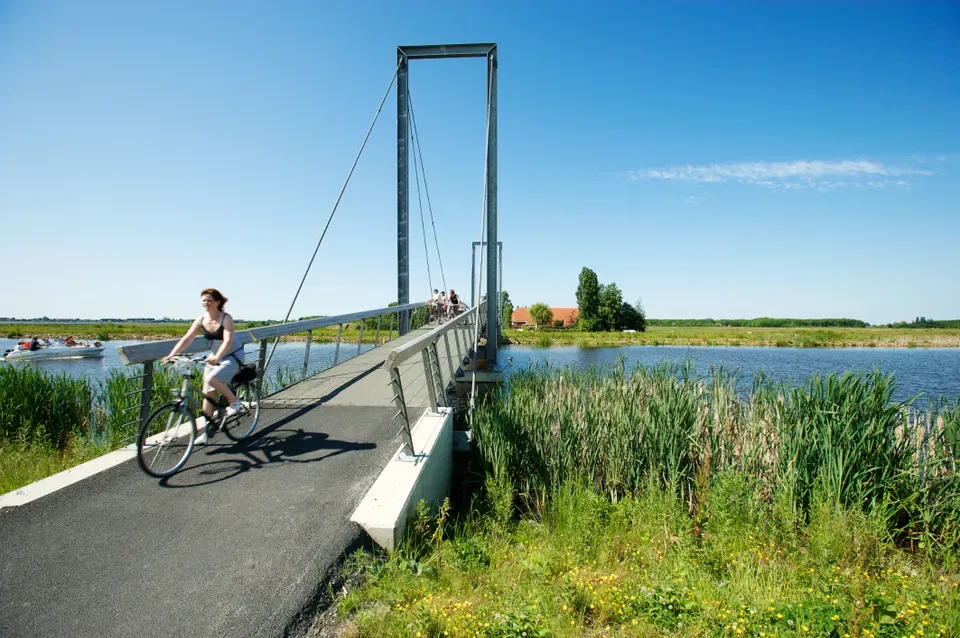
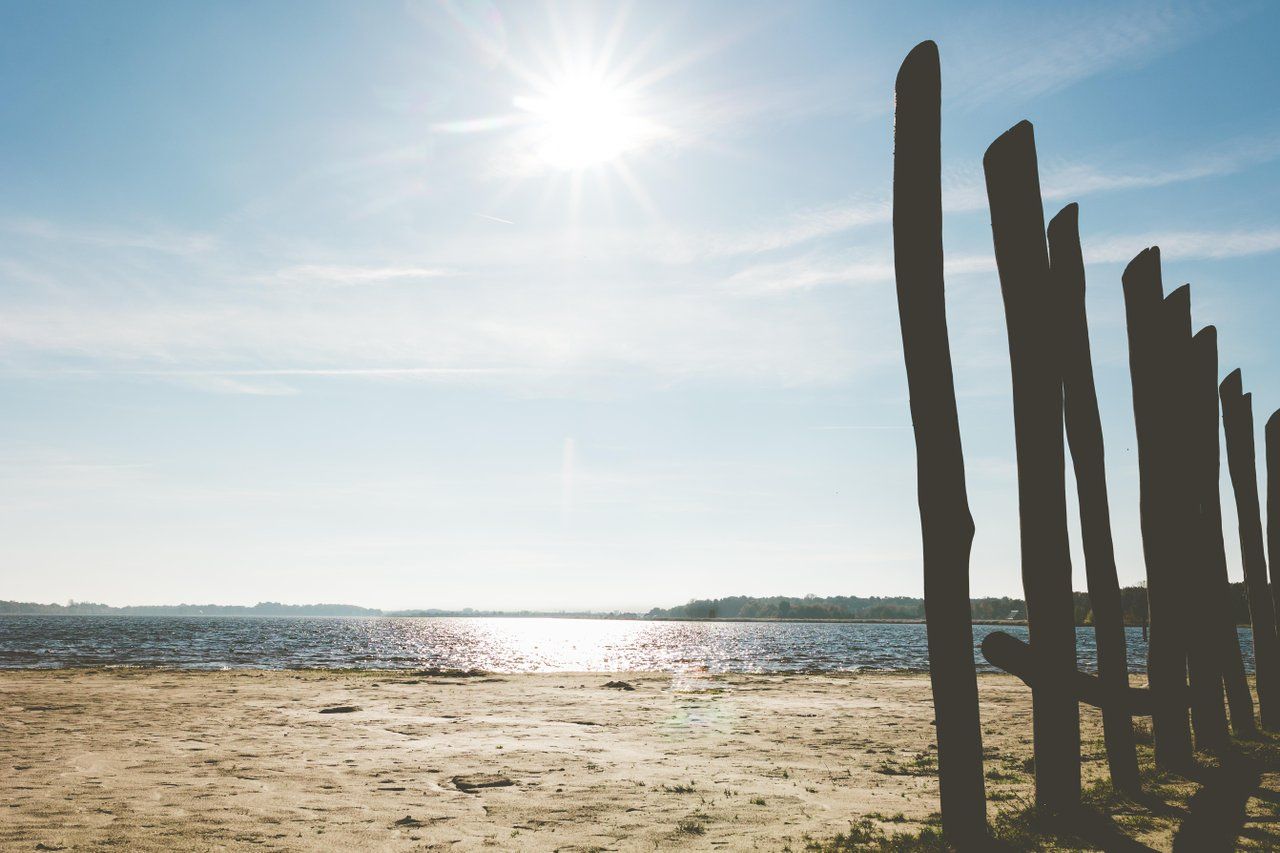
As you cycle across the Pieter Smit Bridge – at 800 metres, the longest cycle bridge in Europe – you’ll arrive in Blauwestad. This brand-new village has been built right in the middle of Oldambtmeer. You wouldn’t think it now, but until 2005 this vast expanse of water was still farmland. Now it’s the place to be for a dip in the water or a boat trip. Would you rather enjoy the view over the lake with a good glass of wine? The terrace at paviljoen Flonk has been named the most beautiful terrace in the province in the Terras Top 100.
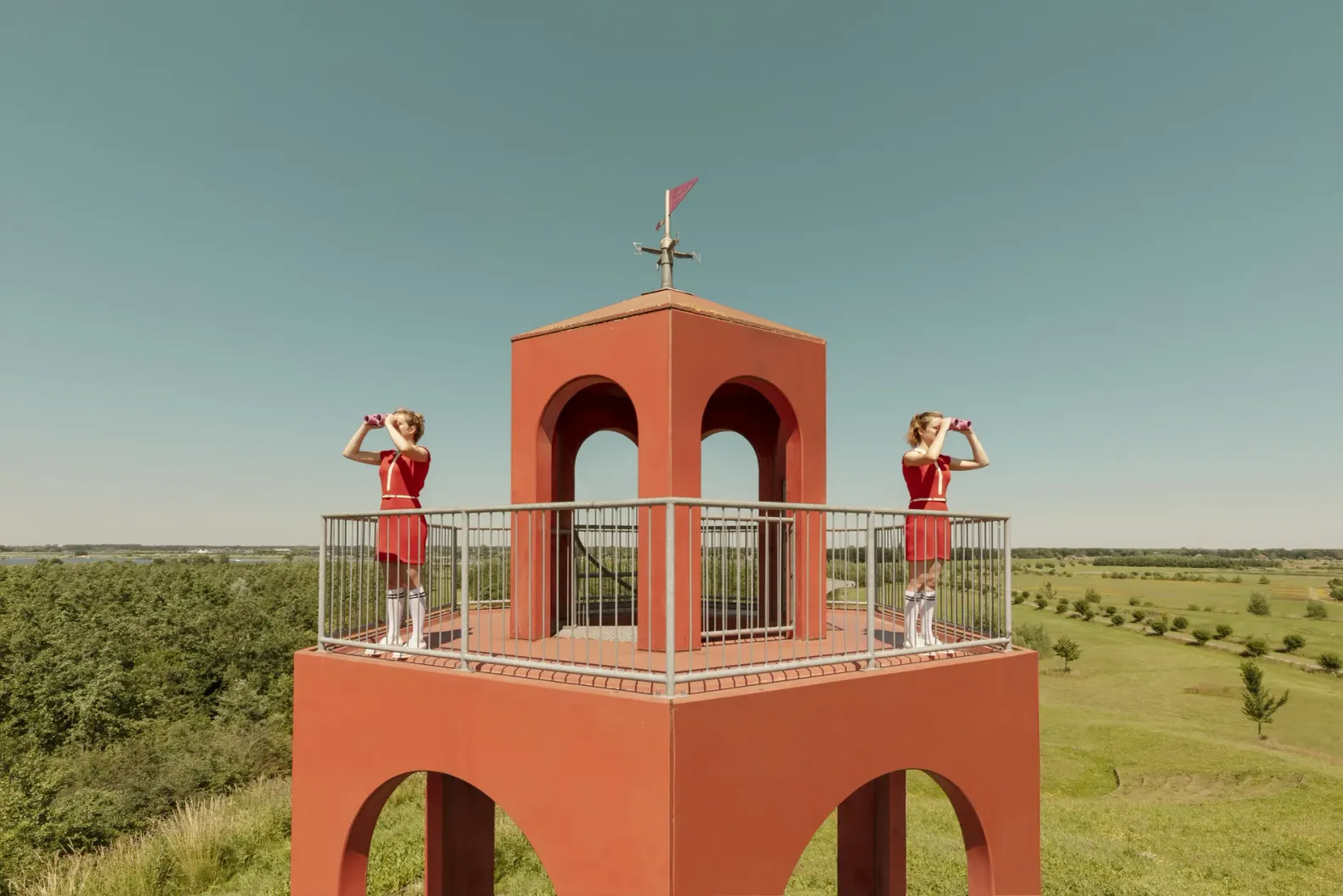
Adjacent to Blauwestad lies the Reiderwolde nature reserve. Perched atop one of the hills is the iconic red observation tower. From here, you’ll enjoy sweeping views across the area. If you cycle on a little further, you’ll end up in Beerta; a quaint village with charming little shops. Or larger shops, such as the Snuffelstal, a 500-square-metre charity shop. A little further on in the village, you’ll find the large playground ‘t Speulparadies. You can also cuddle goats and alpacas in the petting paddock.
Grain Republic
From Beerta, the cycle tour takes you further towards Bad Nieuweschans, but not before making a stop at the church of Nieuw-Beerta. Built in 1856, this church is special because of the different architectural styles it was built in. From here it is only a short stretch to Bad Nieuweschans. This is of course known for its thermal baths, but there is more to experience. The Vestingsmuseum describes the history of de fort. Visit the old cannoners' barracks and discover the history of this fortress and border village.
“ “Cycling along the dyke, a cluster of trees suddenly looms on the horizon – something you don’t often see in this vast landscape.” ”
A rich past and crossing the border
Following the border with Germany and the Westerwoldse Aa, you continue your route northwards, towards the Dollard. After a short cycle, you arrive in Nieuwe Statenzijl, a lovely spot to get off your bike for a while.
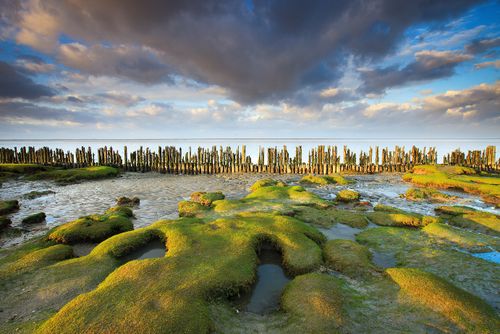
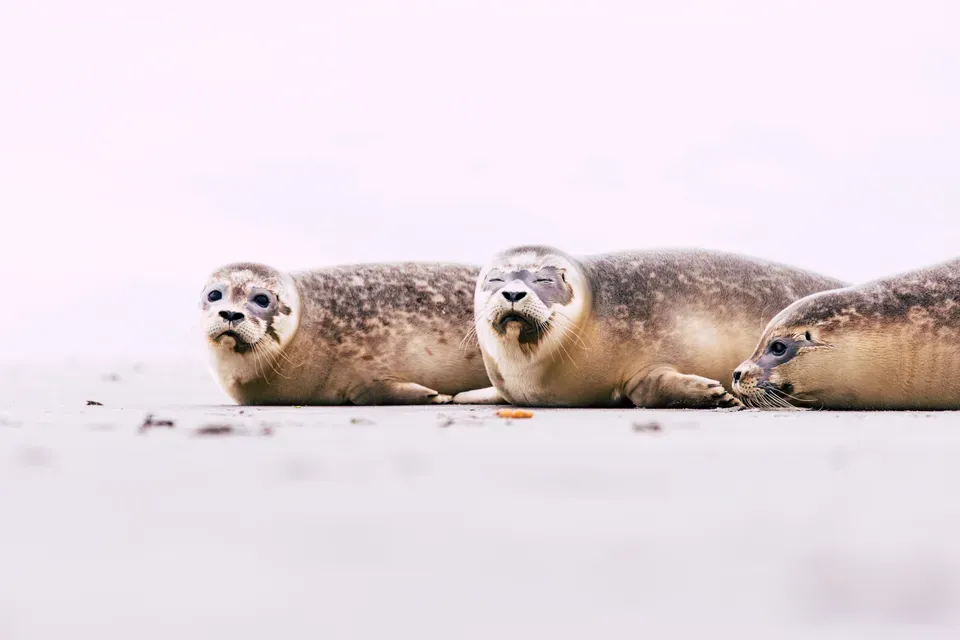
At the end of the boardwalk stands the Kiekkaaste. This is the only birdwatching hide in the Netherlands situated outside the dykes. From here, you’ll enjoy a magical view of the Dollard, part of the UNESCO World Heritage Site, the Wadden Sea. Hundreds of birds forage here, and with a bit of luck, you might even spot a seal poking its head out of the water. Walk to the gate and take a stap across the border into Germany. You’ll have paid a quick visit to our eastern neighbours during your cycle ride. As you continue on your route, you don’t have to say goodbye to the Dollard; the route carries on along the dyke.
As you cycle along the dyke, a small cluster of trees suddenly looms on the horizon – a sight you don’t often see in these wide-open surroundings. This is popularly known as the ‘Ambonezenbosje ’. The site has a rich history as a camp where first members of the NSB and later Moluccans lived. It’s a lovely spot to pause for a moment and reflect on history.
Old planes and a loose tower
As you cycle on, you’ll head south. Via Hongerige Wolf , you’ll reach Finsterwolde. On the outskirts of this village stands the Stefanuskerk. The most striking feature of this church is its freestanding bell tower. Once you’ve cycled past it, you’ll be able to see the Oldambtmeer again, albeit from the other side this time. You’ve now reached the village of Oostwold. Here you’ll find, amongst other things, the Groninger Genever Stokerij, where you can sample home-distilled jenever and liqueurs. Is there a plane flying low overhead? It’s quite possible. Near the village, you’ll also find Oostwold Airport, where you can go any day to see the province from above. Those who prefer to keep both feet firmly on the ground can visit the Heritage Hangar at the airport, where all sorts of old aeroplanes are on display.
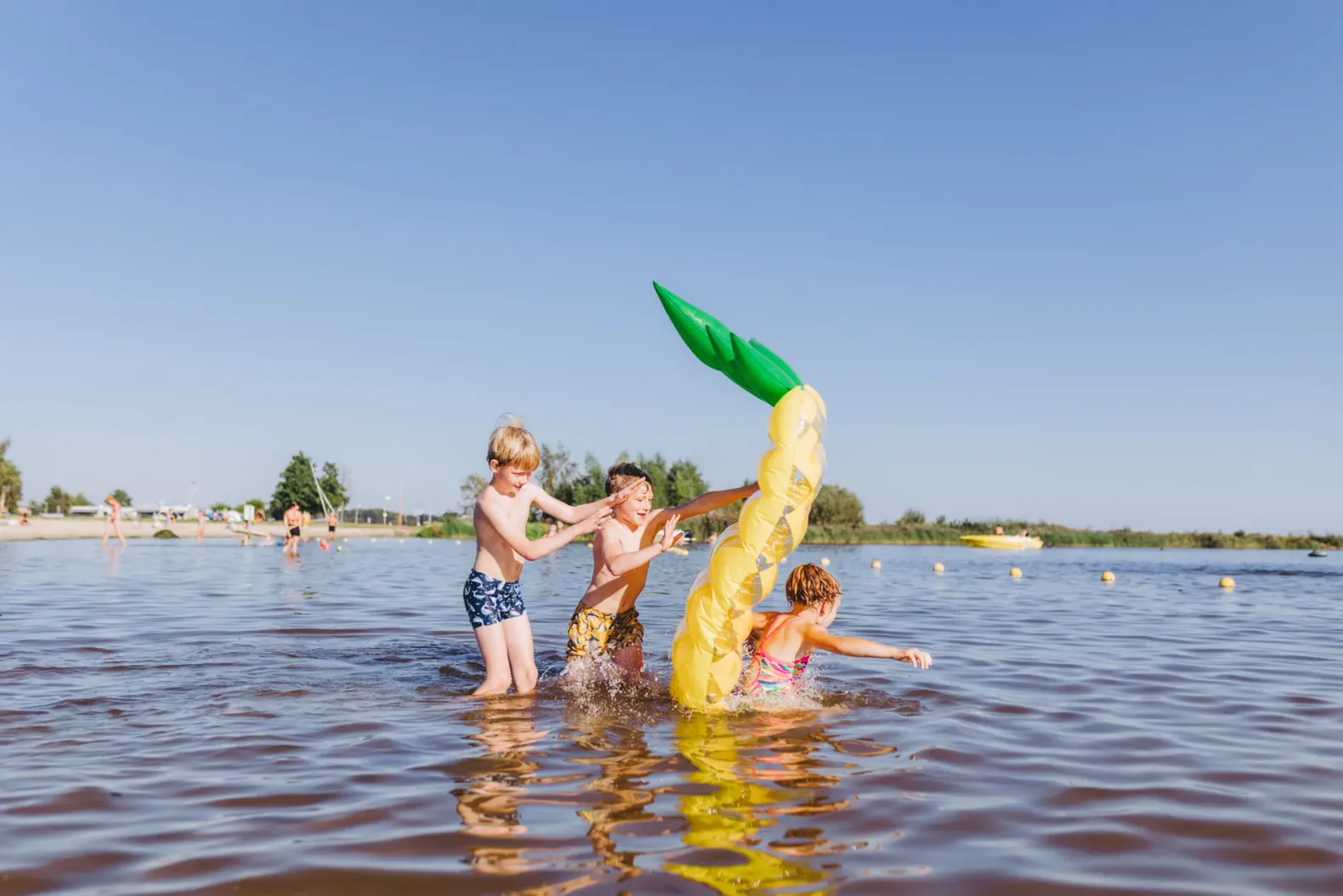
Once you’ve left the airport behind, it’s time to carry on. Just before you drive through the Midwolda lock, you’ll pass an old schoolgebouw, which now houses Brasserie Old School. Just a stone’s throw from the brasserie, you can also cool off, as next to Midwolda’s marina you’ll find the largest beach on Oldambtmeer. A lovely spot for a quick dip. As you cycle further through the village, you’ll pass Pannenkoekenhuis d'Olle Smidse.
Landscape garden
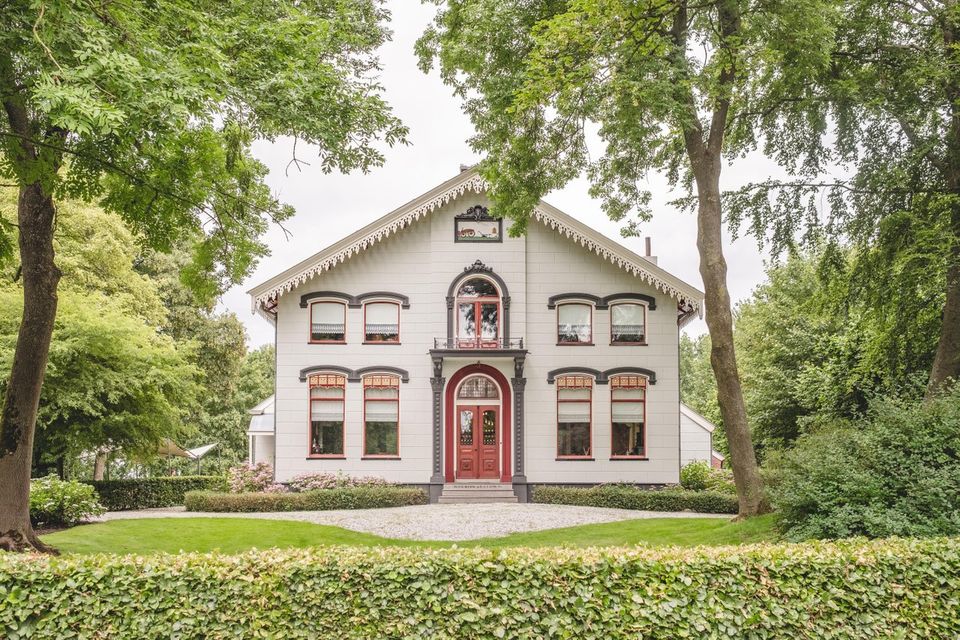
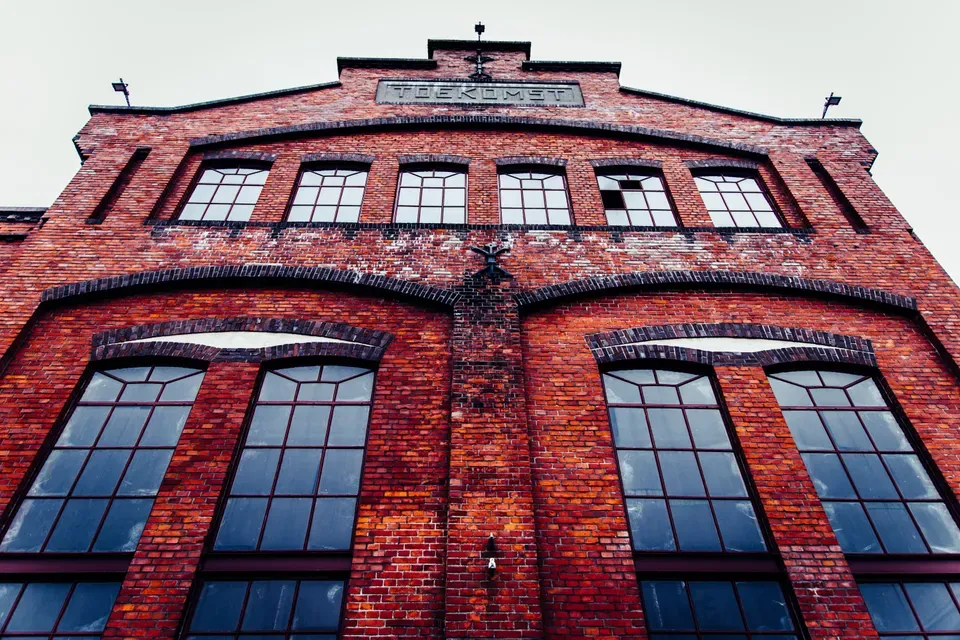
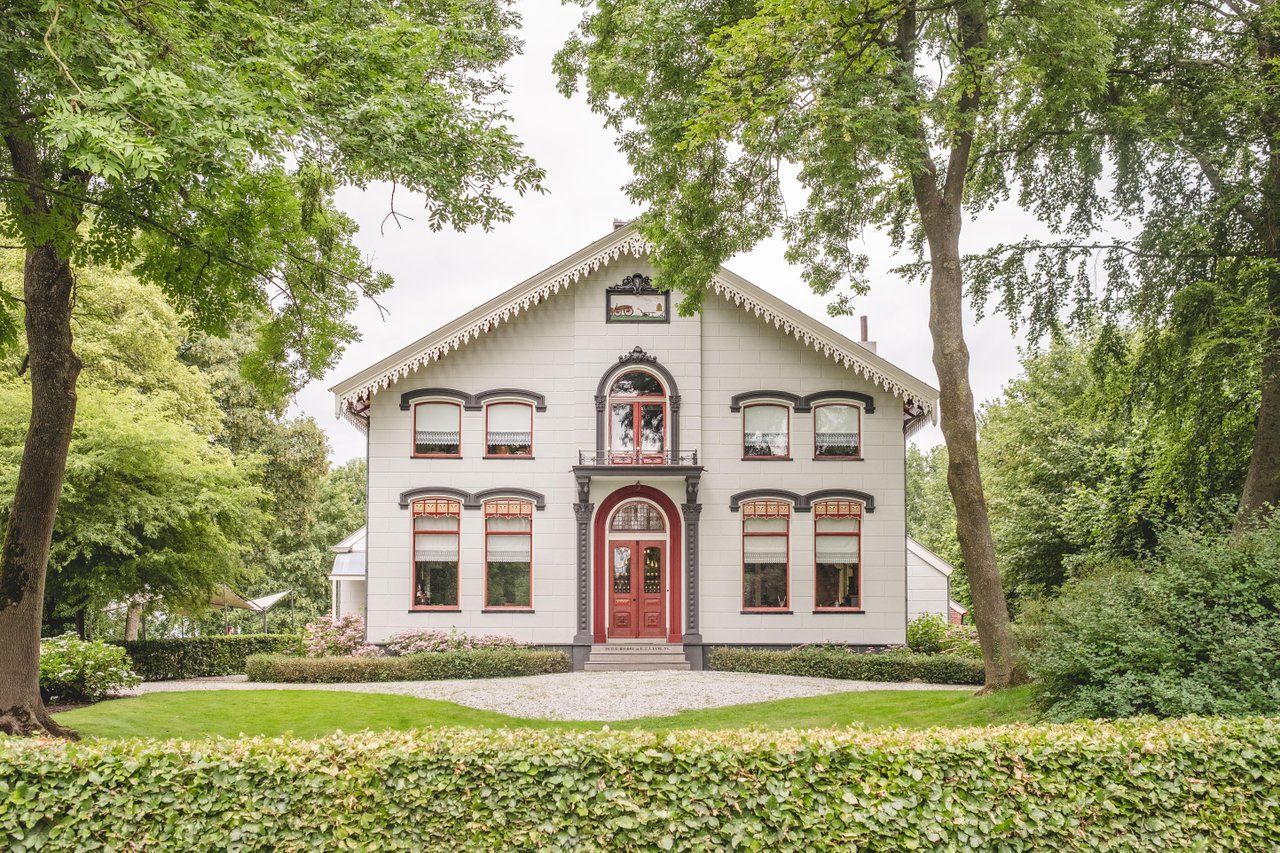
If you cycle further, a piece of Oldambt's history beams out at you. Here you will find the monumental Herenboerderij Hermans Dijkstra, with graceful English landscape garden and furnished rooms. On some days, you can join them for a surprise dinner with local products. A little further on is another beautiful property: the Ennemaborg. The large estate surrounding the borg is home to a lot of special nature and a herd of Konik horses. Cycle a little further and you arrive in Scheemda. Here, too, you are taken back to vervlogen tijden. From a distance, you can already see the brick factory pipe of the former strawboard factory De Toekomst rising above the landscape. This eye-catcher in the landscape is a lasting reminder of the industrial revolution that left its mark on the region.
Origins of the Eighty Years' War
Just before you enter Winschoten again and your tour through Oldambt comes to an end, you will first pass through the village of Heiligerlee. This place is best known for the Battle of Heiligerlee, which took place there in 1568 and marked the start of the Eighty Years' War. To commemorate it, the Count Adolf monument stands in the heart of the village and you can learn all about this history in the Museum Slag bij Heiligerlee. Do you still have some time left? Then a visit to the Bell Foundry Museum is also worthwhile, with bells of all shapes and sizes.