Plaquettes
The Pekelder Hoofddiep runs right through Oude Pekela. This former peat river (the Pekel A), was canalised in 1728, due to peat extraction. Like Nieuwe Pekela, it is a typical example of a peat-colonial village.
Take a closer look
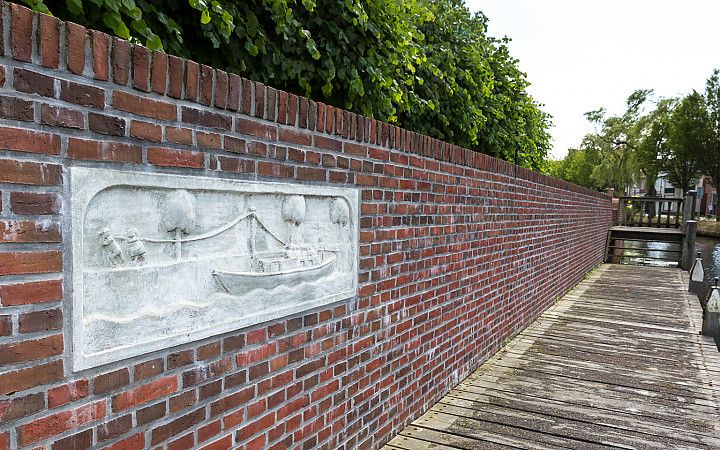
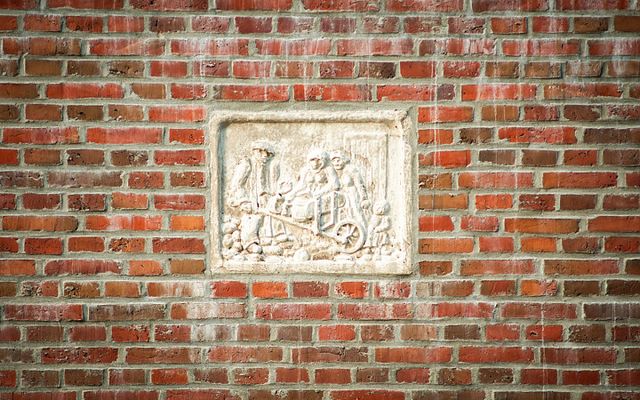
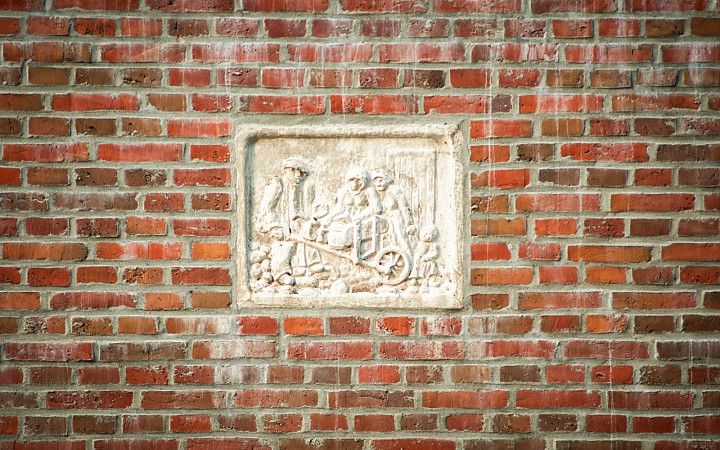
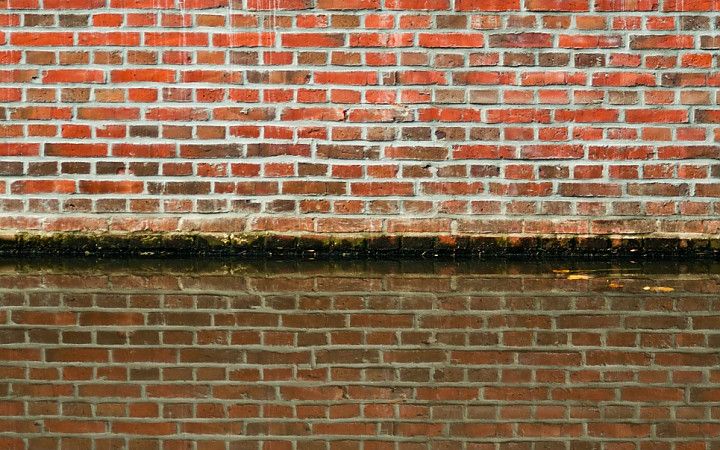
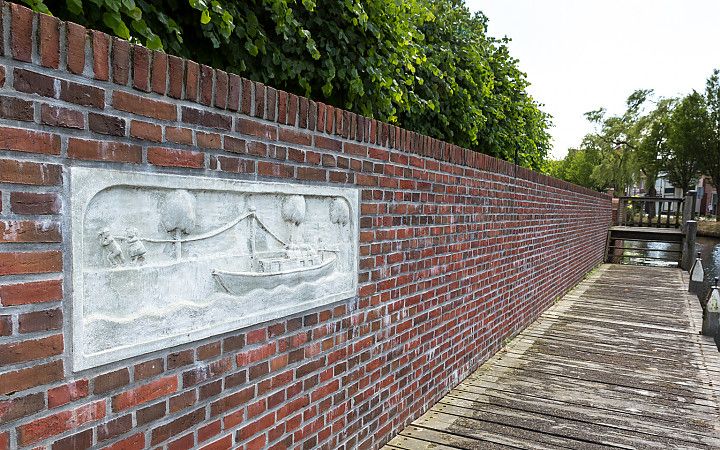
In the 1980s, the Pekelder Hoofddiep was refurbished. During this, eight sandstone plaquettes were bricked into the quay walls of bridge 'the Wedderklap'. The plaquettes depict the history of Oude Pekela. On display are a snikke (horse-drawn barge), ship hunters (they pulled ships with their horses through the canal), the nose pincer (in memory of the stinking water), a pile-driving rig (a device for piling), a ventkruiwagen (a wagon), a hannekemaaier (German harvest aid), a kiepkerel (peddler), a battle wagon and other tools used in the dyeing process. Other art objects built as part of the reconstruction are the talking dome ('proathuus') and the observation tower in the marina.