Out and about in the Veenkoloniën
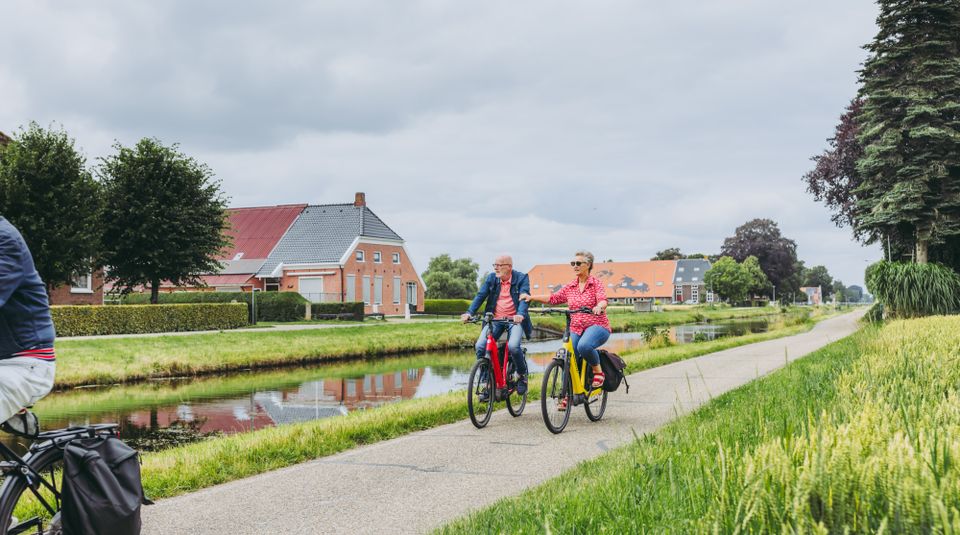
An endless horizon, long ribbon villages and a spider’s web of canals: these are the Veenkoloniën of Groningen and Drenthe. A unique area where peat, water and a pioneering spirit have shaped the landscape. With the new Veenkoloniën Experience Map, you can discover the story of the peatlands and all the places of interest.
The origins of the Veenkoloniën
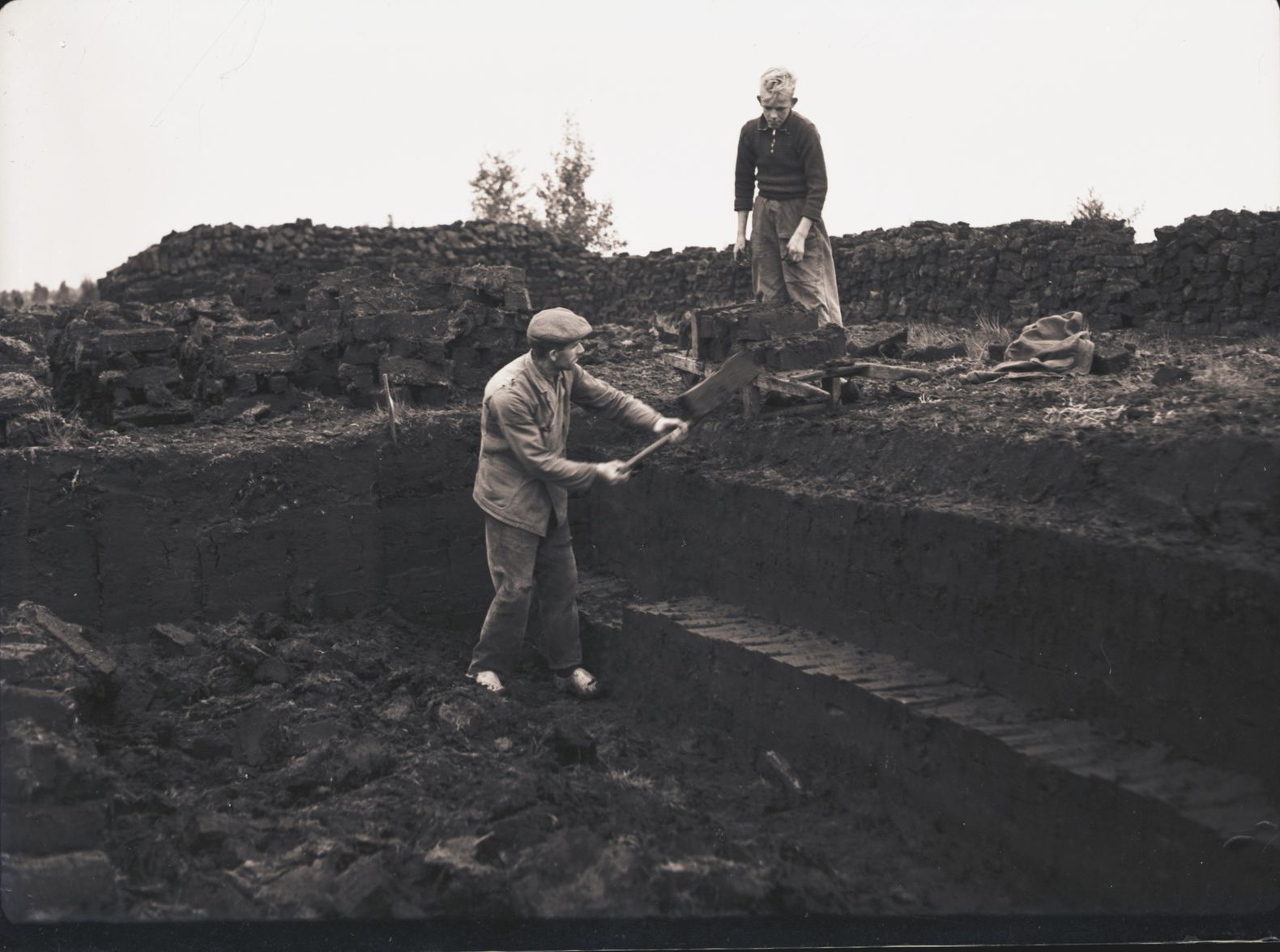
Around 1600, there was an increasing need for fuel as the population grew. This came in the form of peat, made from dried peat moss. And peat was found in abundance in Groningen and Drenthe. Large swathes of peat were excavated to produce peat briquettes. The peat was transported via canals to the city of Groningen, the epicentre of power where all goods were sent before being sold elsewhere. Houses were built along the water’s edge for peat workers, amongst others, and this led to the emergence of elongated villages, sometimes stretching for kilometres.
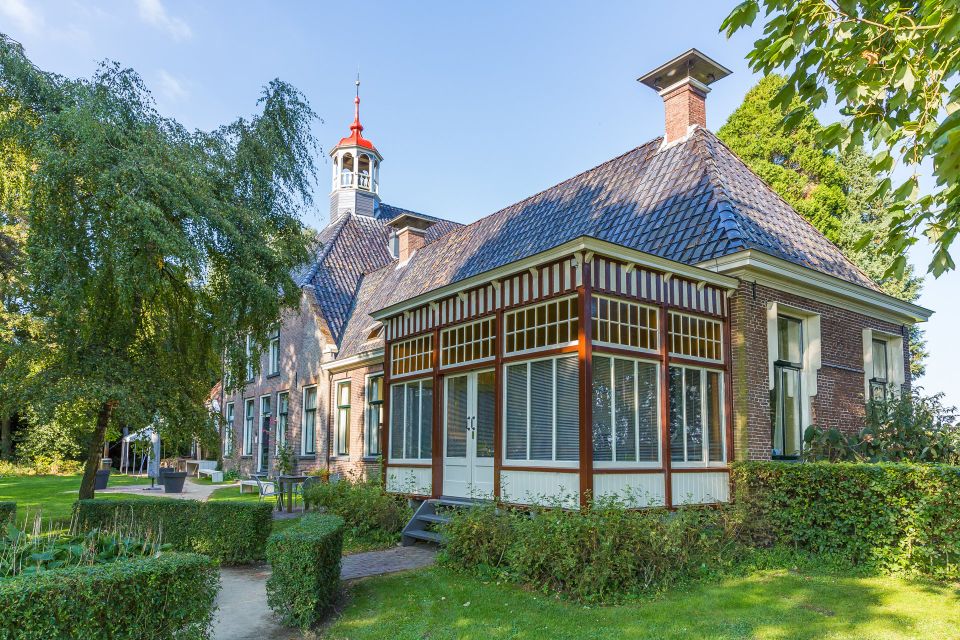
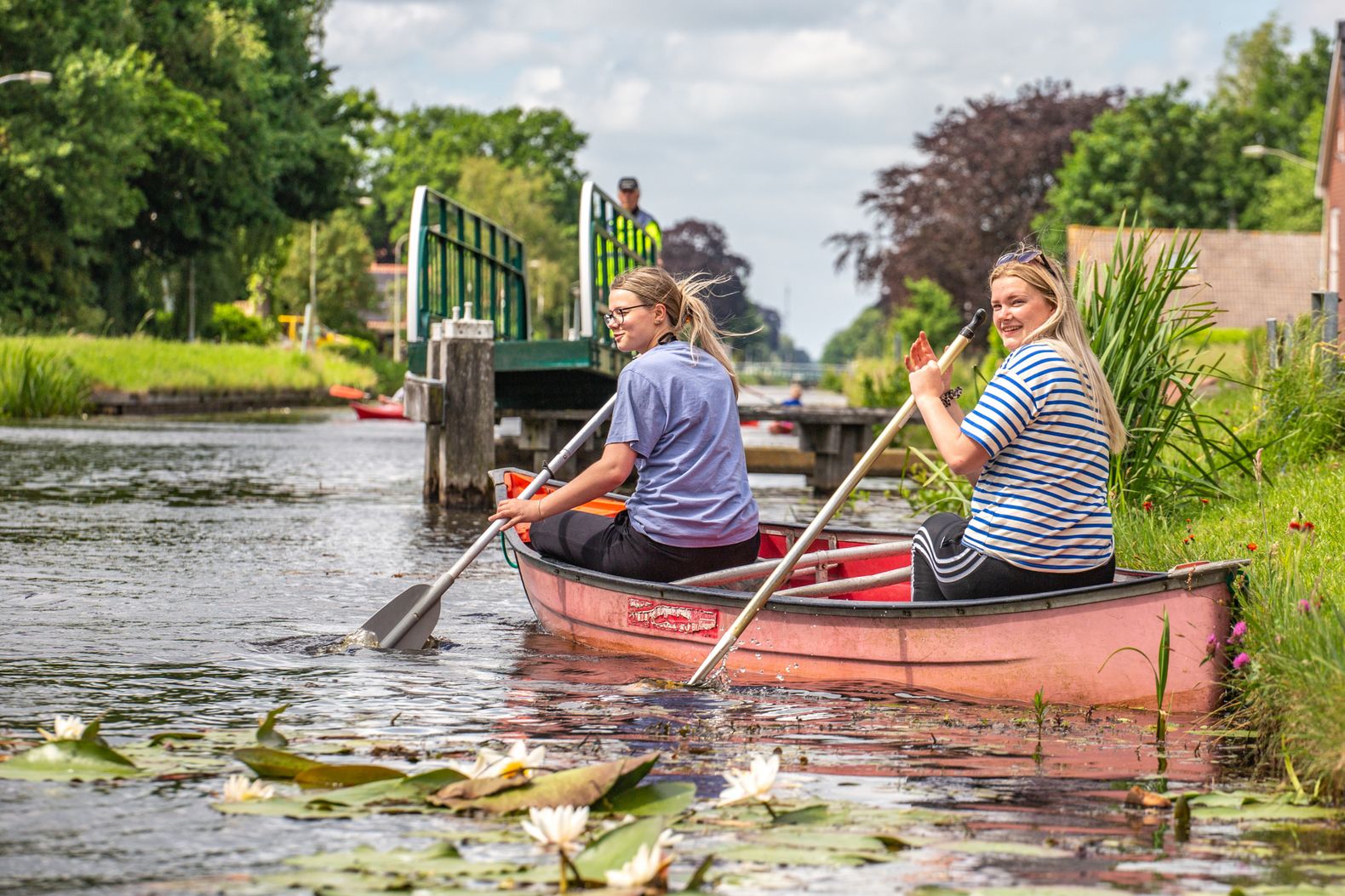
A fine example of this is the listed village of Kiel-Windeweer. In 1754, eight hundred people lived in the village of Windeweer, one of the older peat colonies. The residents felt this was enough to warrant their own church. Today, the old ‘ pastorie ’ De Amshoff you’ll find a lovely B&B and a restaurant overlooking the English landscape garden. On the ‘Boating through the Peat Colonies’ route, you can experience the old peat colony structures from the water, via a beautiful route from Kiel-Windeweer to the Zuidlaardermeer. You can also cycle the route.
From peat shipping to seafaring
When peat shipping came to an end, the peat skippers switched to coastal shipping. Peat-colonial villages grew into lively skippers’ villages, where dozens of tjalken had their home port. They sailed to England and Scandinavia carrying goods such as potato flour. Dozens of shipyards were active along the Winschoterdiep, where these vessels were built. Many shipyards have disappeared, but shipyards can still be found in Waterhuizen and Hoogezand.
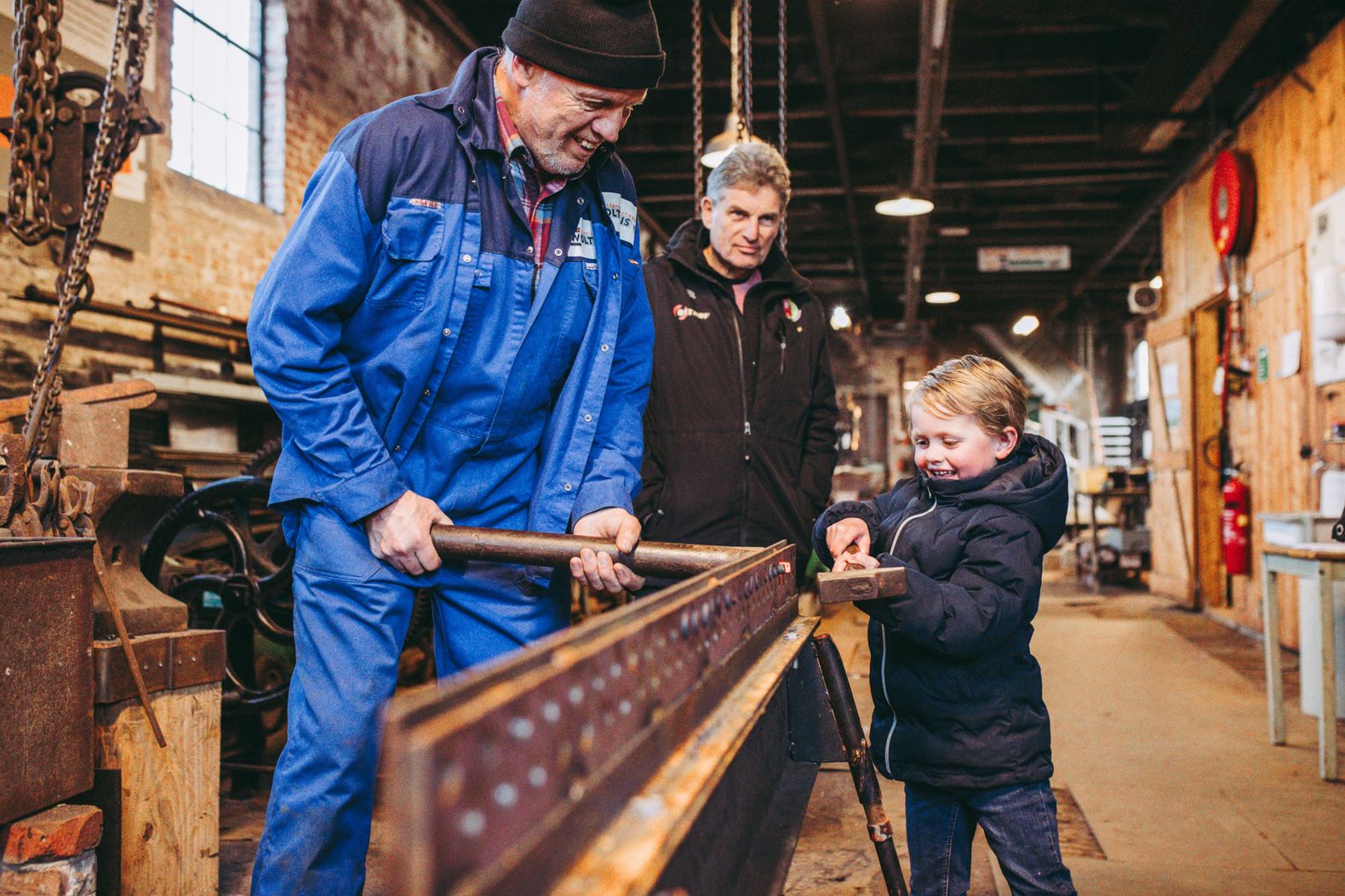
Historische Scheepswerf Wolthuis In Sappemeer lies one of the last shipyards in the Netherlands where almost everything remains as it was in the early 1900s. The smithy is still there, and most of the machinery on site is over a hundred years old. The volunteers often used to work at a shipyard, in a shipbuilding workshop or as machine builders themselves. They still use and demonstrate the machinery at the shipyard.
Read more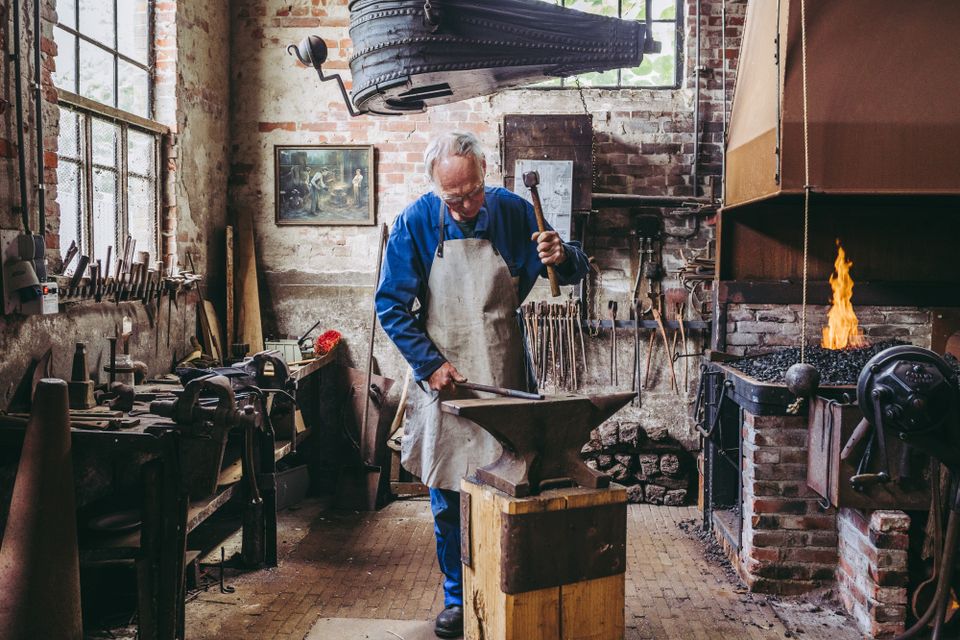
Ambitious women
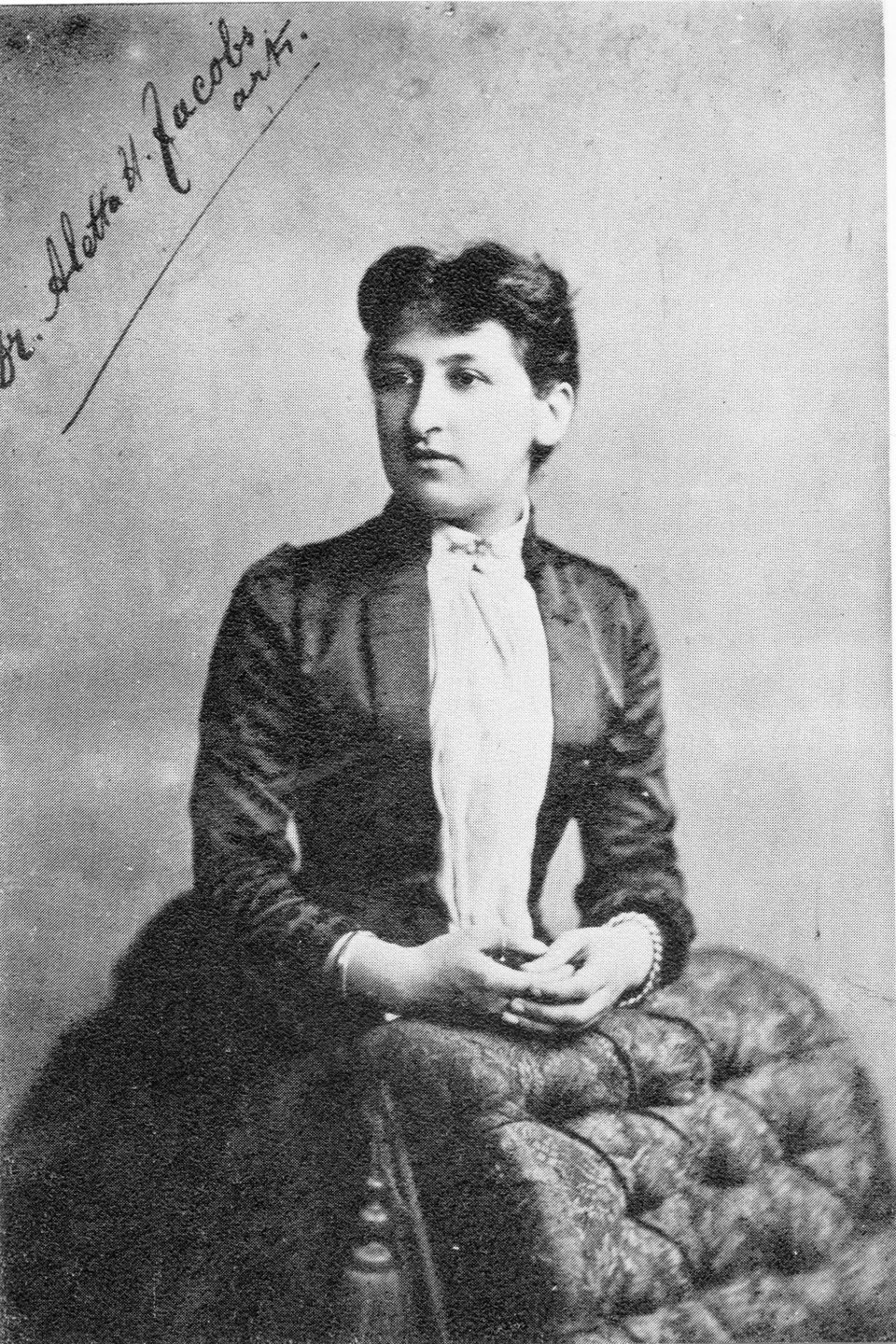
A woman was often at the helm of a peat barge. As there were so many ships, this was a very common sight in the Veenkoloniën. Many women also travelled on ships that set sail from places such as Sappemeer to the world’s oceans. Through their travels, they learnt foreign languages and brought the latest fashions home with them. This progressive attitude is reflected in the lives of many other women from the Veenkoloniën. Aletta Jacobs from Sappemeer, the first female doctor in the Netherlands, fought for women’s rights and the right to vote.
The walking route ‘In the footsteps of Aletta Jacobs’ takes you to the 19th-century Sappemeer, where this famous feminist and the Netherlands’ first female doctor was born. You’ll see her school, the house where she grew up and many beautiful churches from that era – a testament to the progressive nature of the Veenkoloniën.
Discover the route