
LF Coastal Route
Sea dyke at delta level
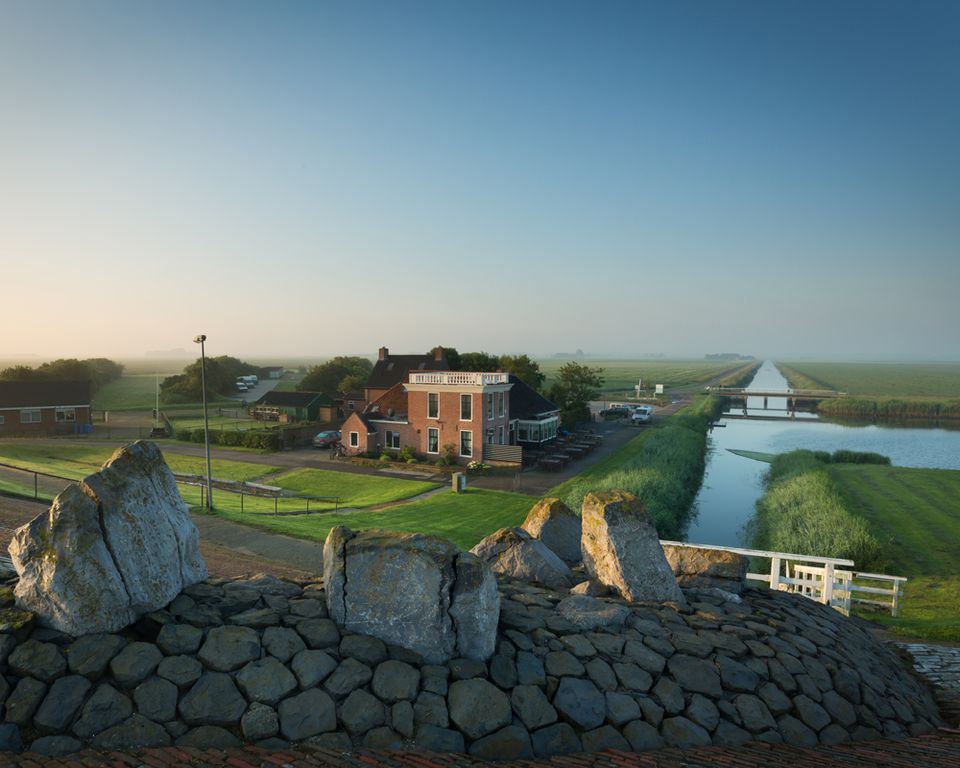
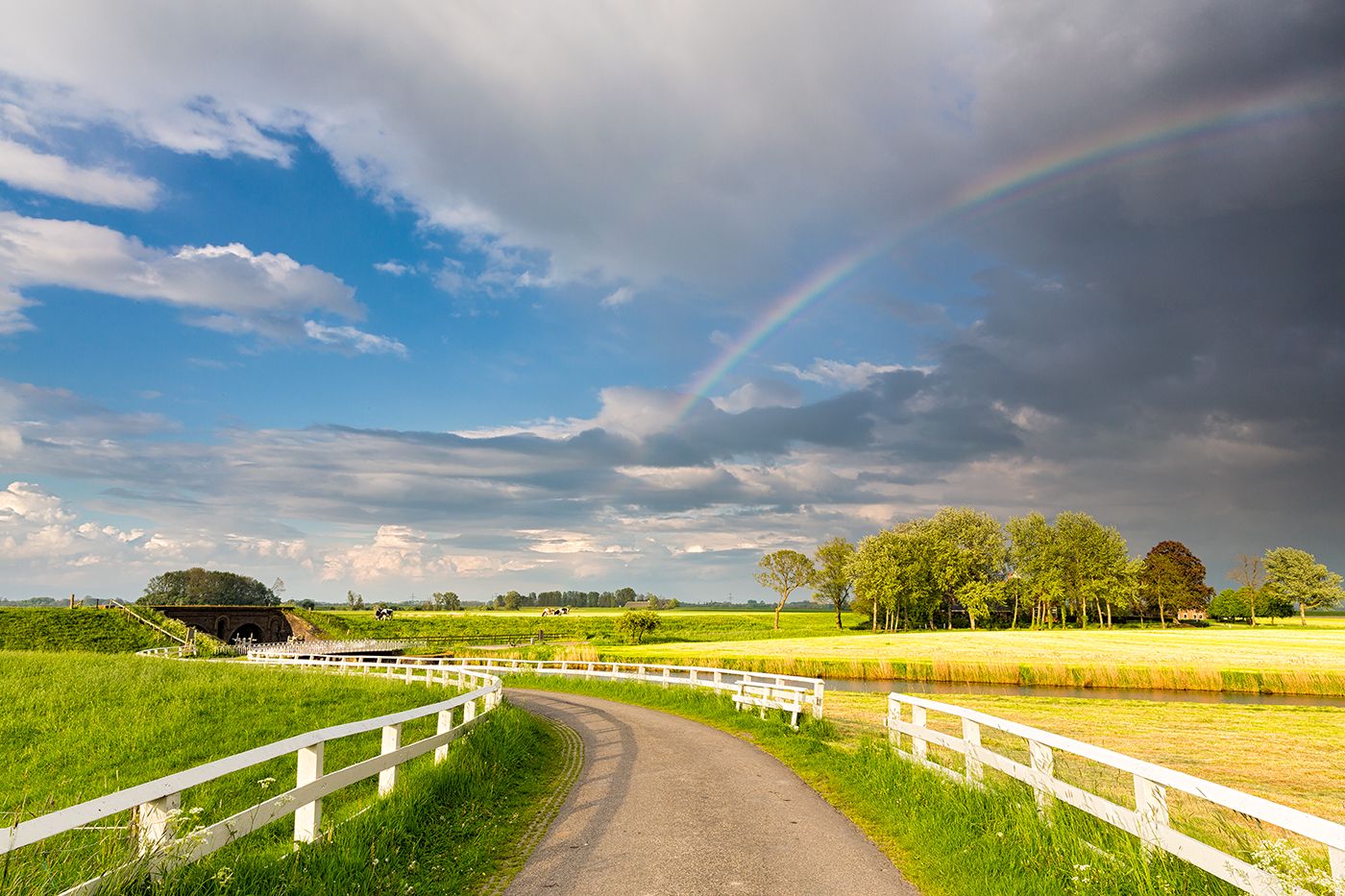
The Ommelanderzeedijk , stretching from Lauwersoog to Nieuwe Statenzijl, is not the first dyke to protect Groningen from the sea. Further inland, you’ll find long ‘sleeper dykes’ here and there. The sea dyke is, however, the highest. Standing atop the dyke, you tower above the otherwise flat Groningen landscape. The ever-changing Wadden Sea on one side, the countryside on the other, your feet on the pedals and the wind in your hair… You really couldn’t make a cycle path any more ‘Groningen’ than this.
Short trips inland
The LF Coastal Route runs along the entire Dutch coast and, in Groningen, connects two unique nature reserves: the Lauwersmeer and the Dollard. You mainly follow the sea dyke – on top of it, on the sea side and on the land side – but always with fantastic views. Every few kilometres, you can take a detour inland. Each Tourist Transfer Point on the route acts as a junction connecting to shorter and longer routes. A Tourist Transfer Point is recognisable by its beacon, which stands over four metres tall. This means you can extend the route at ten different points to include other cycling and walking routes. Information boards tell you more about the plants, animals and other points of interest.


