Stichting Groninger voedseltuinen wants to make locally produced food natural and accessible to everyone. They are working hard to make food gardens the most normal thing in the world and aim to realise 100 food gardens in the province of Groningen. An example of such a food garden is nursery De Stadsakker on the outskirts of the city.
Groningen’s back garden
De Stadsakker is located on Oude Kijk in ’t Jatstraat. Here, they have been encouraging people for years to start growing their own food, even if it’s just on one square metre. Merlijn Albering’s passion goes further than that. She also wants to grow vegetables for people who don’t have green fingers – or who lack the space or time. That’s why, nine years ago, she set up De Stadsakker nursery on the outskirts of the city. Together with her husband, a number of volunteers and trainees, they grow all sorts of vegetables. Locally sourced, sustainably grown, on a small scale and without the use of pesticides.
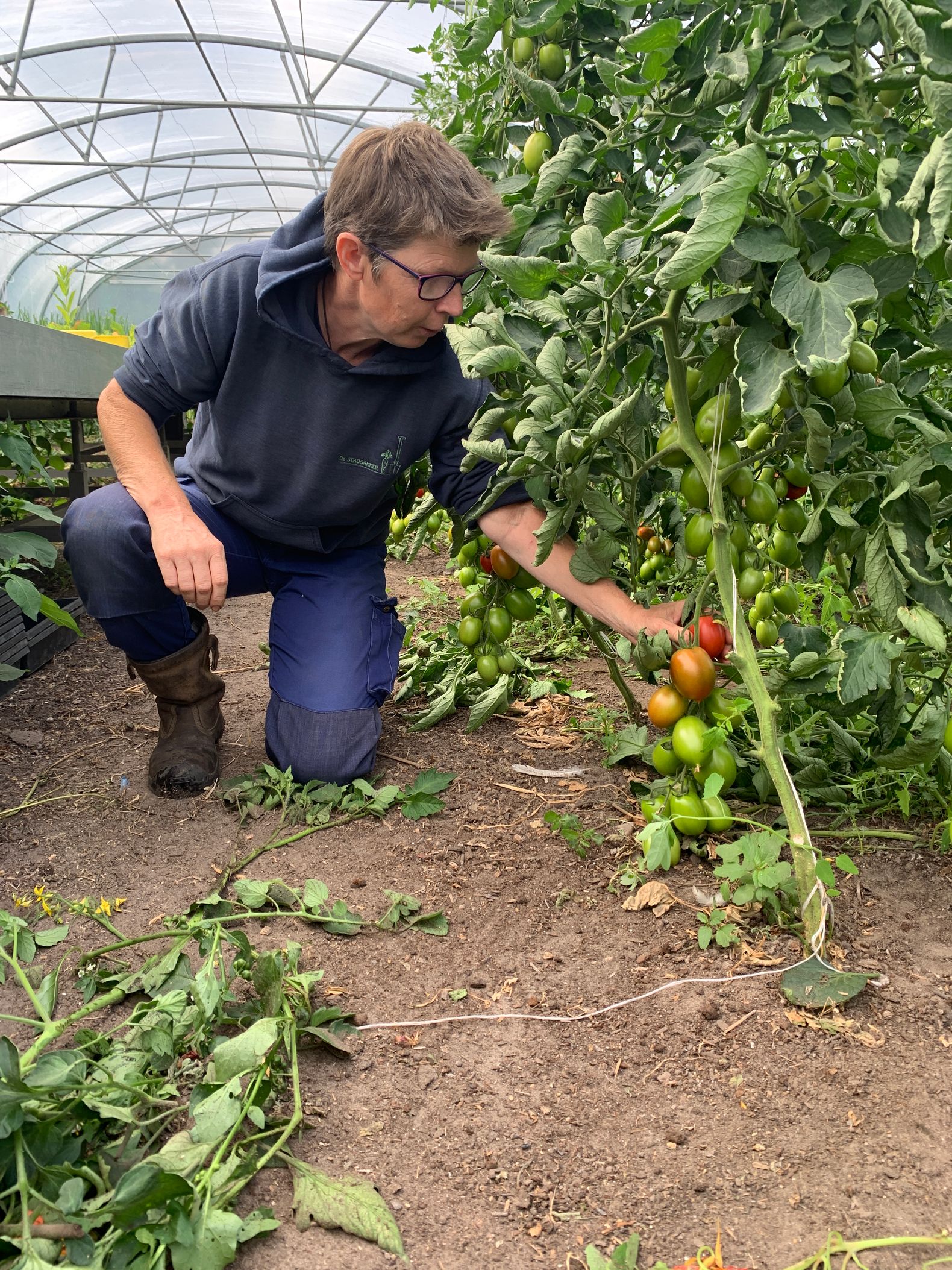
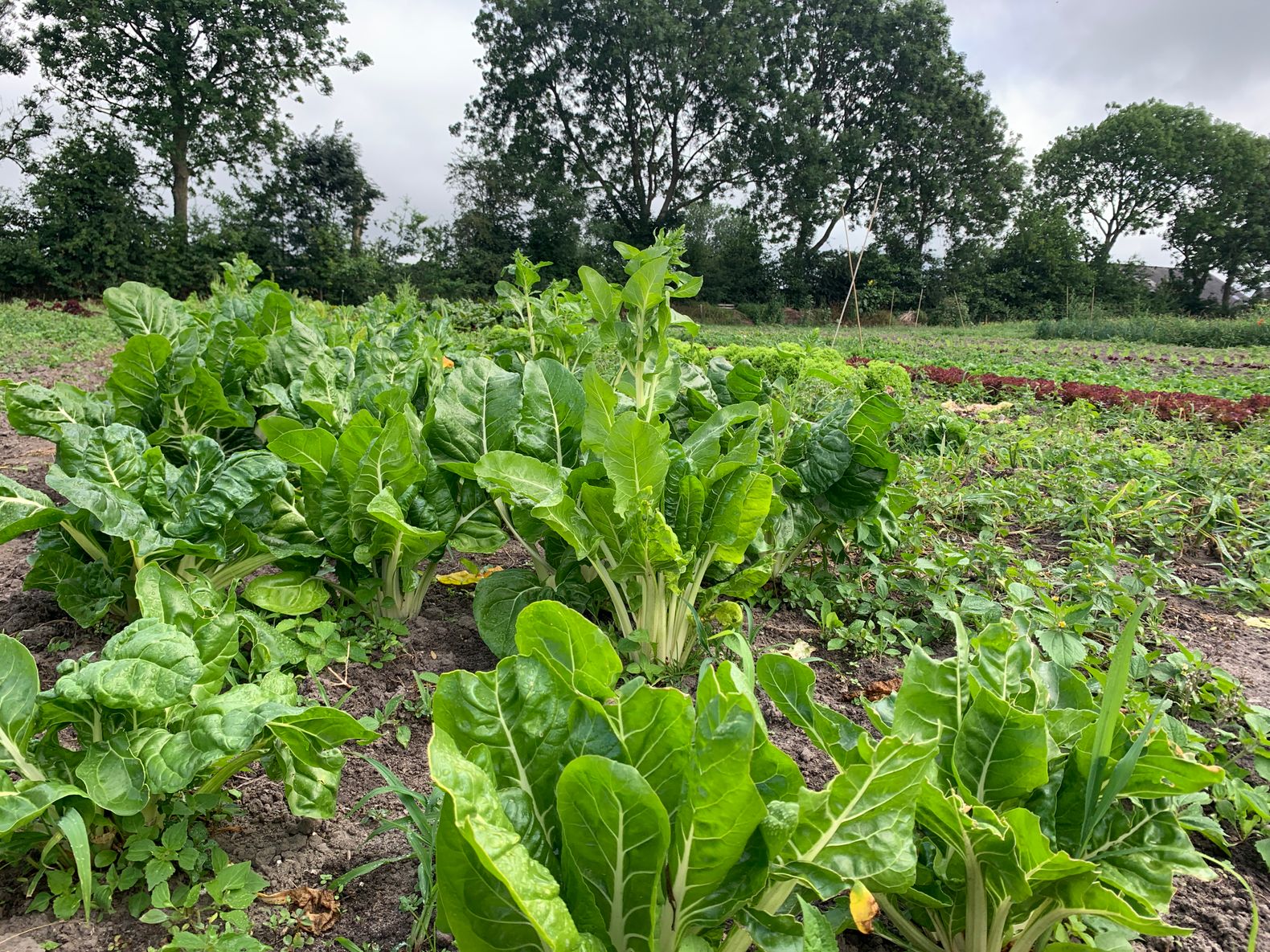
Merlijn once had a small vegetable patch of her own. But it soon became more than just a hobby. Every year, the fence around the vegetable patch was extended a few metres further. And she began to delve deeper into it. She thought: “I have a vegetable patch. If I just make it a hundred times bigger, I can grow produce for a whole neighbourhood.” And that’s how De Stadsakker nursery came into being. Groningen’s back garden. The local council was also keen on having more locally grown food in the city, and they were given a plot of land in Hoogkerk. A former football pitch lined with trees. The perfect spot for a food garden. Everything they grow here is sold directly to customers – from vegetable boxes to pesticide-free bouquets.
Vegetables with a story
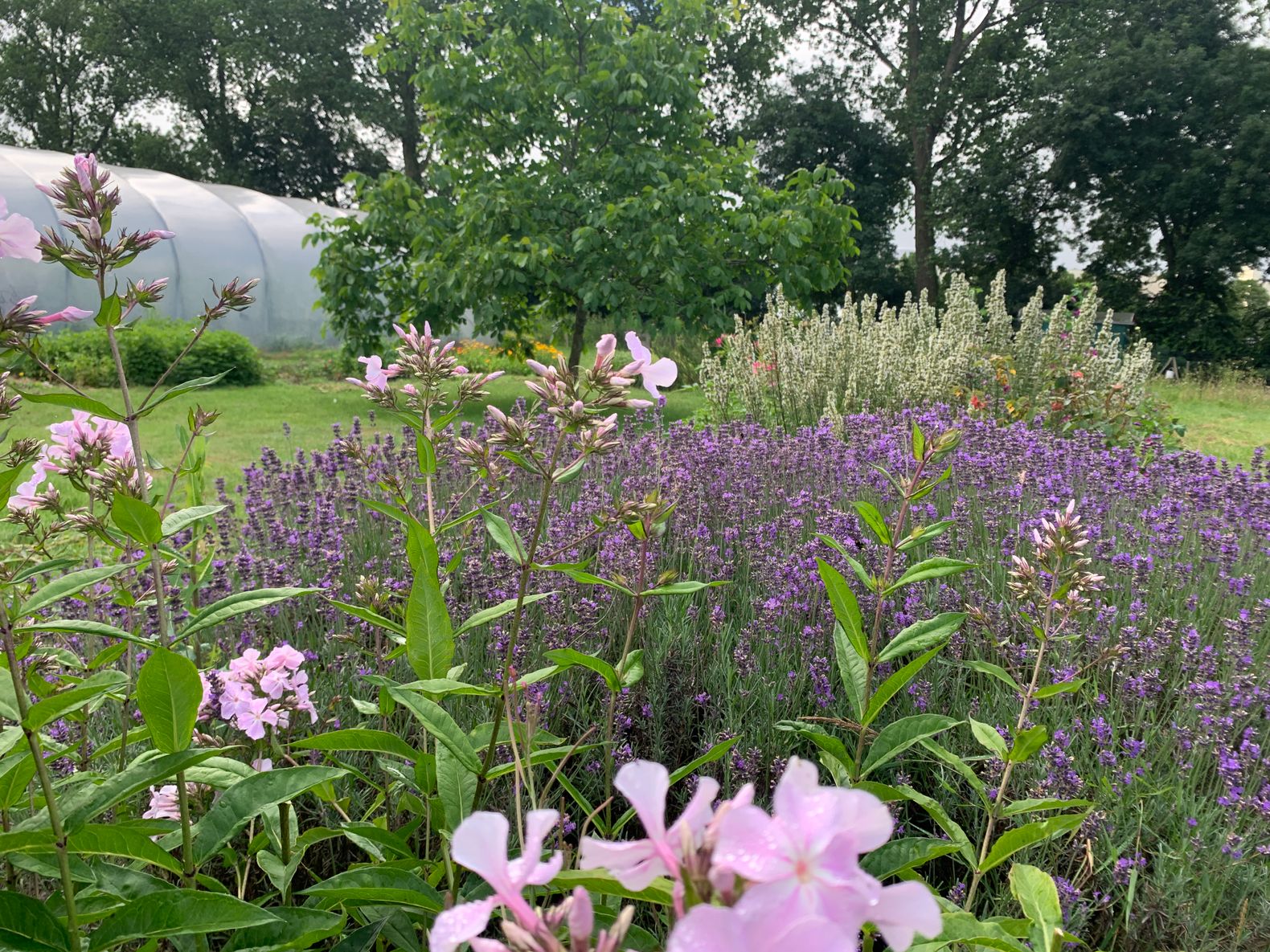
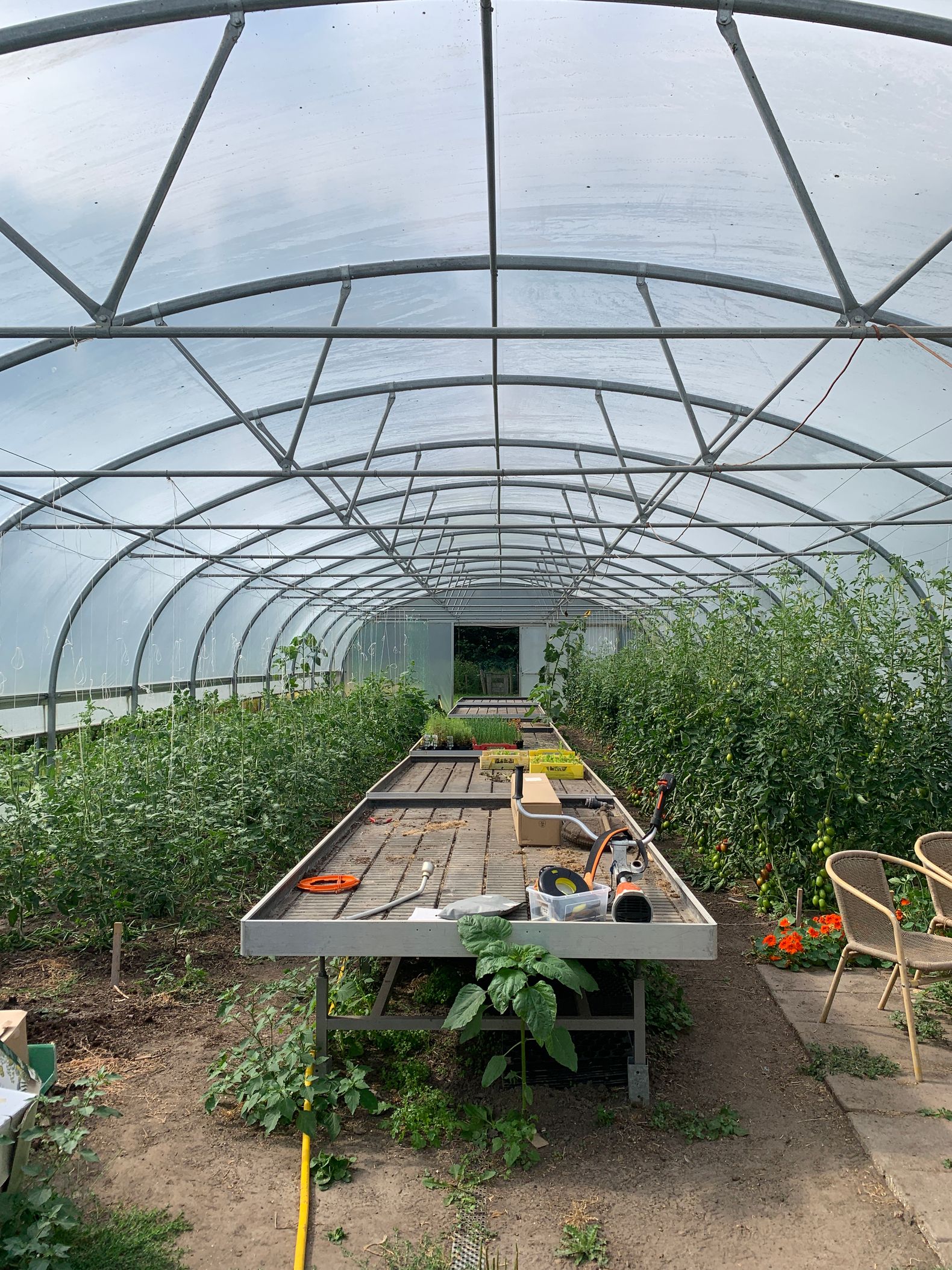
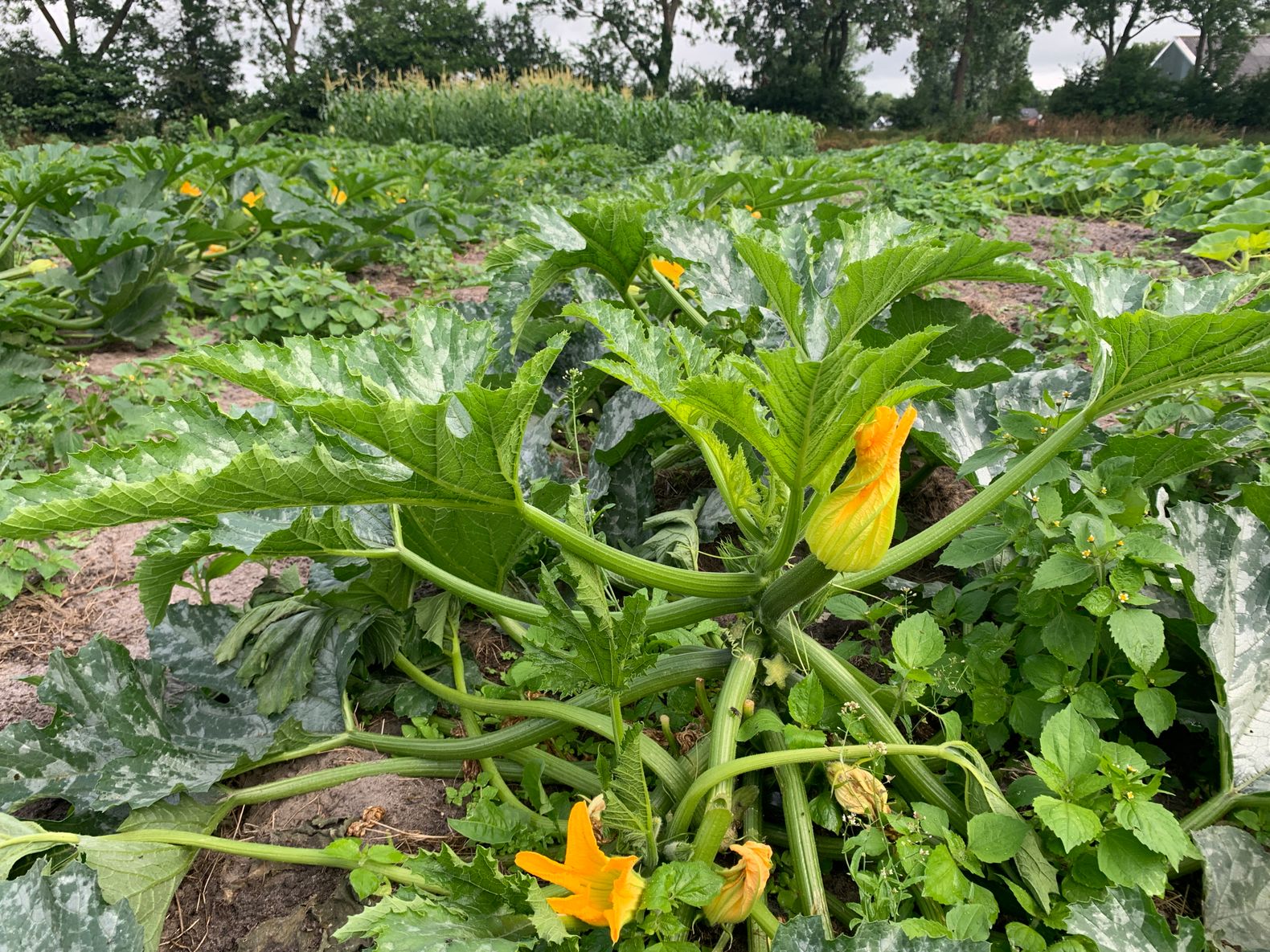
In this vegetable garden, they grow around forty varieties of vegetables, ranging from winter cabbages to mini courgettes. All are varieties that thrive in the Netherlands, and of course, the selection varies with the season. They also have a tunnel greenhouse where they grow tomatoes, peppers and cucumbers, an orchard with delicious sweet fruit and a field full of flowers. Good for biodiversity, but also for cheerful bouquets. And not all the produce looks perfect. “Sometimes they’ve been tasted. A snail might have crawled over them and nibbled a few leaves off. That’s no reason to throw them away. If you can explain that, people don’t mind at all,” says Merlijn. At De Stadsakker , you pick your own vegetables. Whether you want a small, large or crooked courgette. After all, vegetables aren’t perfect because of their shape, but because of their flavour.
“ ‘You have to immerse yourself in it completely, and sometimes you have to sit on your hands. Then nature isn’t so difficult.’ ”
A helping hand from nature
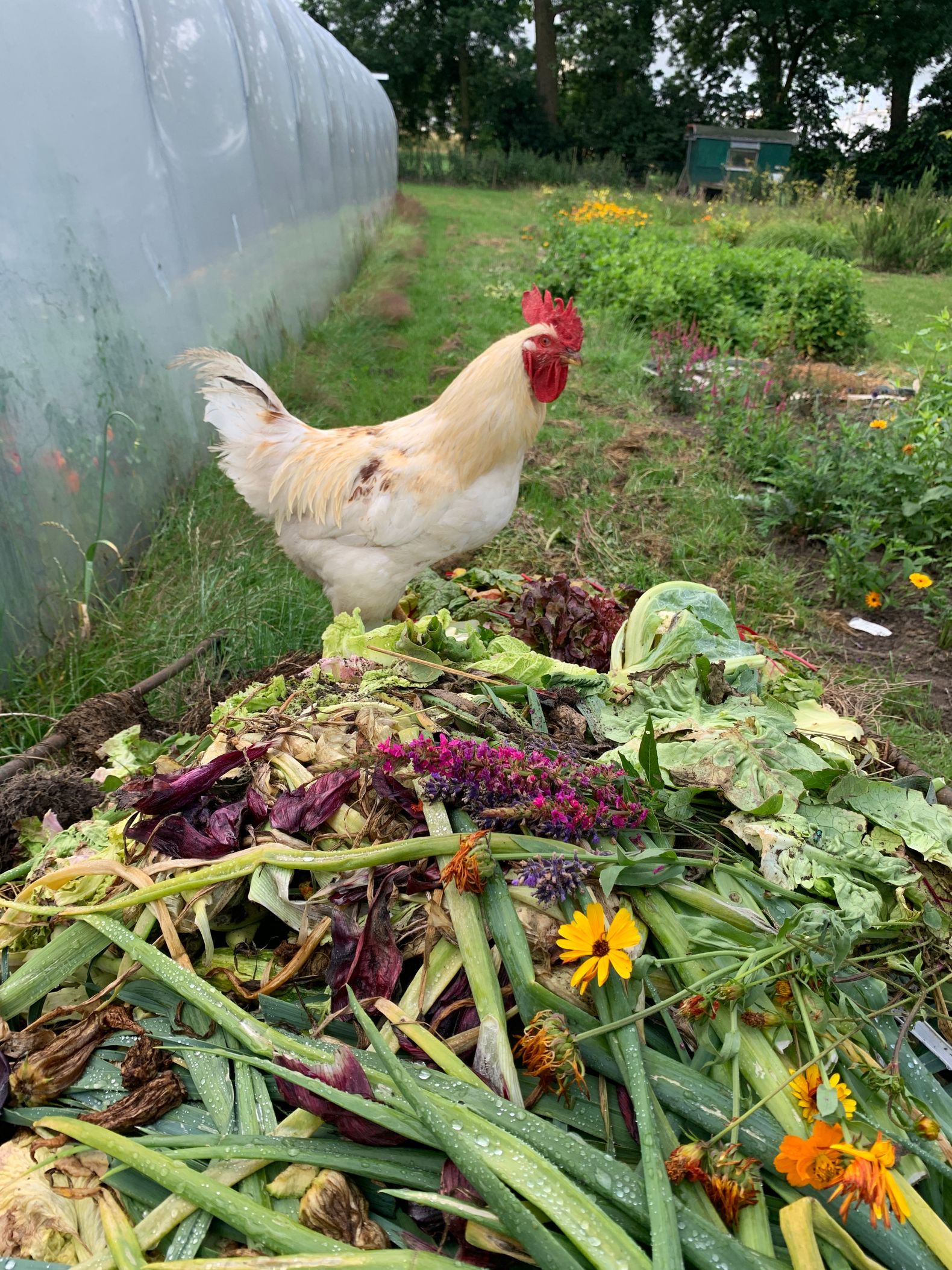
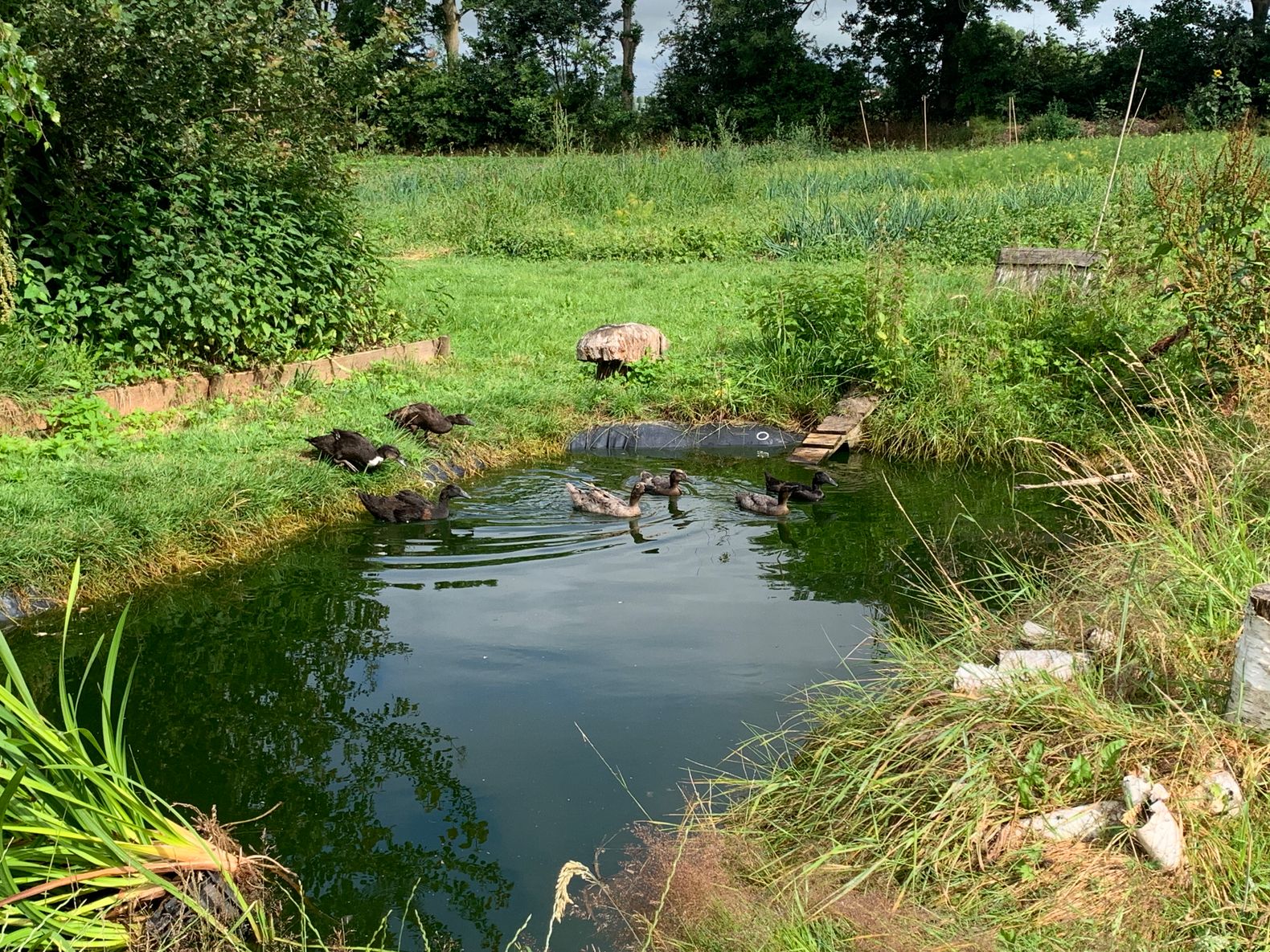
As well as the volunteers and future growers, there are other helping hands – or rather, helping paws. For instance, there are cats that help get rid of moles and mice, ducks that are mad about snails, and chickens that are very good at weeding. Nature is happy to play its part. Because they don’t use any poisons, pesticides or artificial fertilisers at the nursery, they have to be creative and make clever use of what’s available. “Take nasturtiums, for example. Aphids prefer these to tomatoes. If there’s an aphid infestation, the aphids will settle on them. That distracts them, so they leave the tomatoes alone,” explains Merlijn. As well as creativity, patience is also very important at the nursery. “There are black aphids on the broad beans. If you just sit back and wait a week, ladybirds will turn up of their own accord. After two weeks, you’ll be rid of the aphids.”
Tastier, fresher and healthier
Merlijn himself hopes that many more small-scale food gardens will spring up. “When food is grown locally, you become independent. Quite apart from the fact that it’s tastier, fresher and healthier.” Fortunately, there are more and more food gardens in Groningen. You can also get started yourself. Merlijn hopes to encourage as many people as possible to start their own vegetable patch, even if it’s just a small one on your balcony or in your city garden. And when asked if she has any tips for getting started, Merlijn doesn’t have to think twice. “Just get started. Plant a seed in the ground with love and start small. If everyone were to start a one-square-metre vegetable patch and spend a few hours a week on it, we’d have 200,000 square metres of vegetable gardens right in the heart of the city.”
“ “With very small steps, we can make the world a little greener. If we all do our bit, then I do believe it’s possible.” ”

Fresh from our own vegetable garden
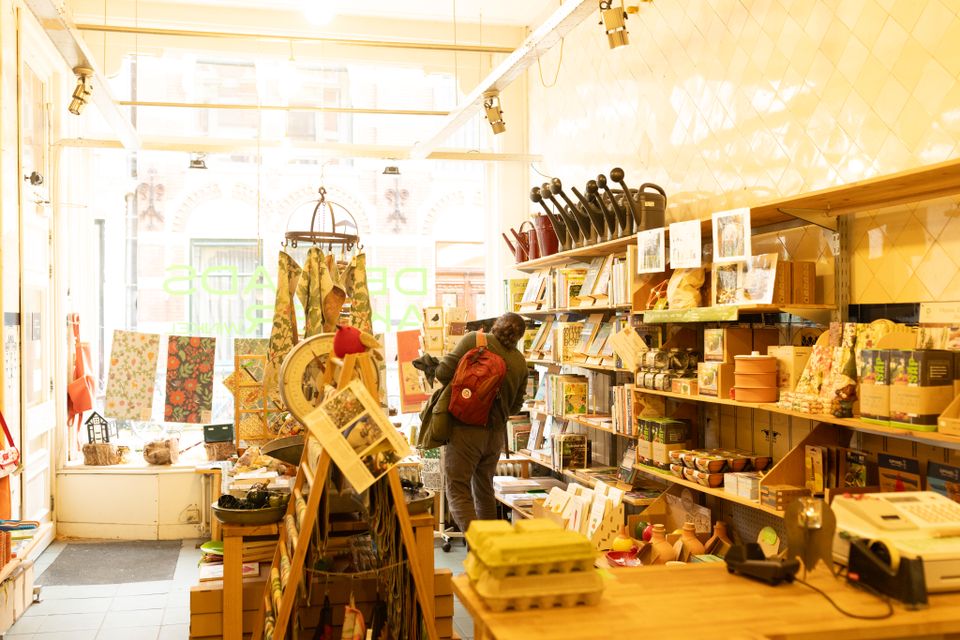
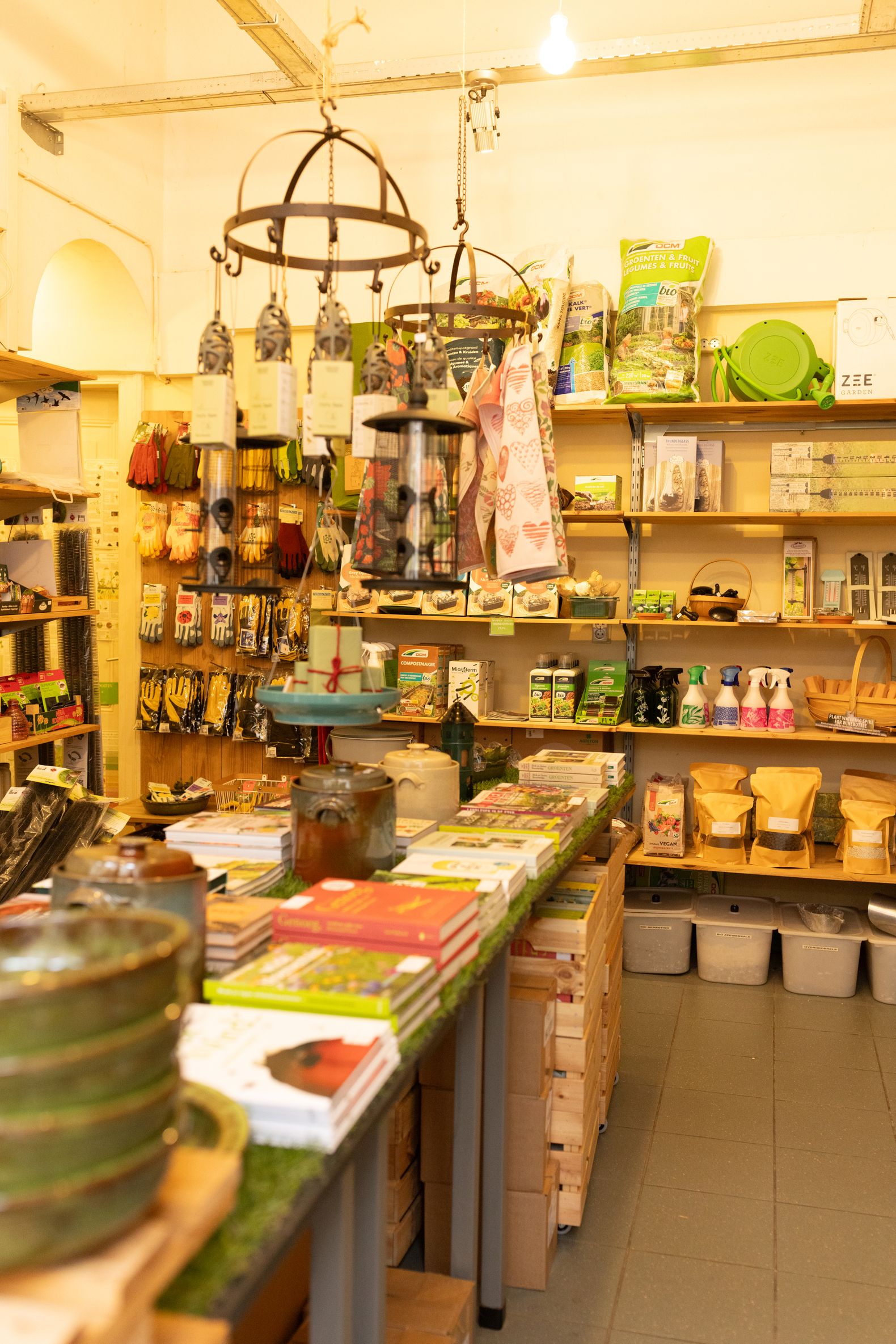
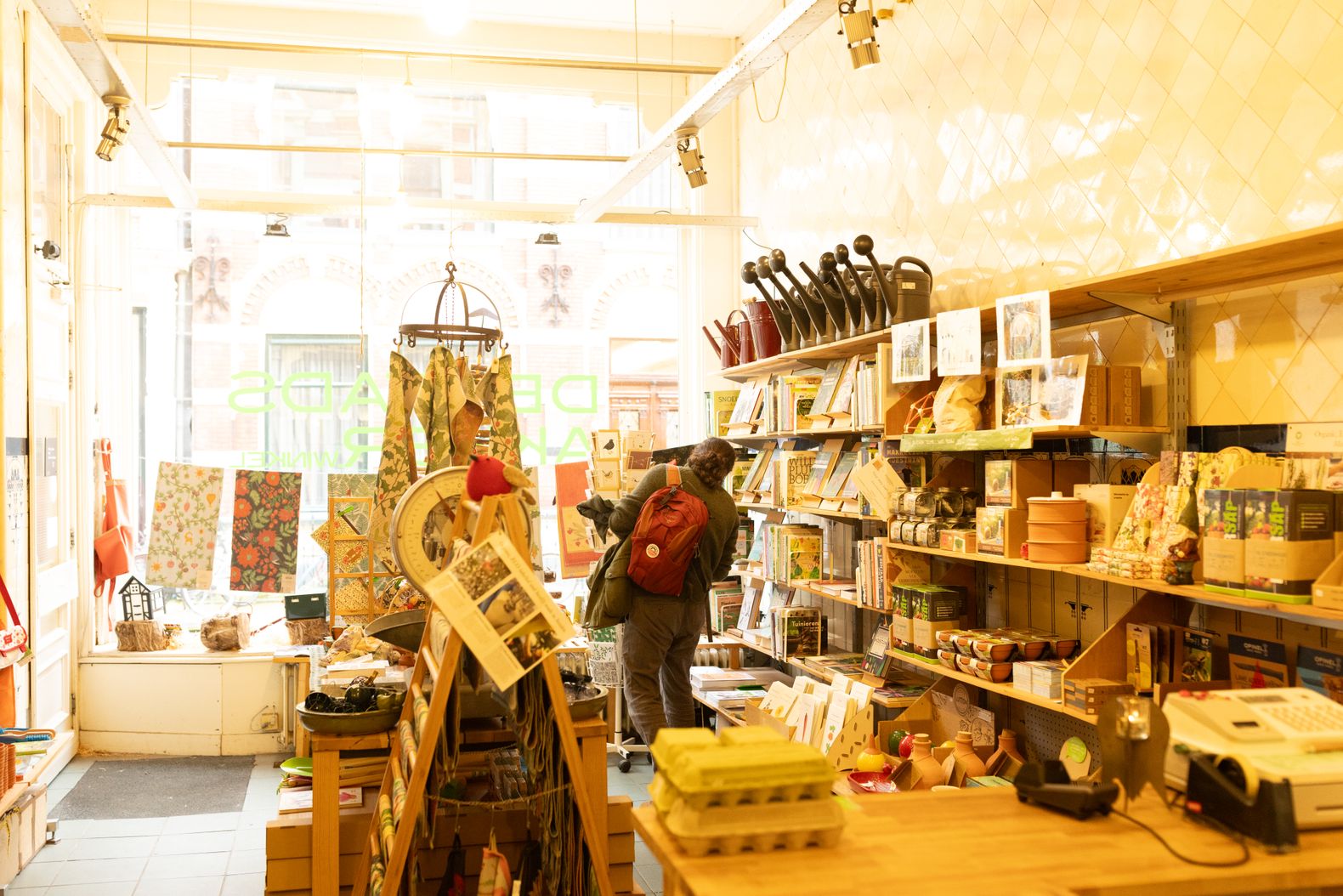
Fancy getting started yourself? At De Stadsakker on Oude Kijk in ’t Jatstraat, they have everything you need to start growing your own vegetables – from tools to seeds, and from pots to fertiliser. You’ll also find all sorts of books to help you along the way. “On the internet, you find what you’re looking for. In a book, you find something you weren’t looking for, which makes you think: hey, that’s handy.” There are also items to attract birds or provide a nice spot for insects. And, of course, you can buy the delicious vegetables and cheerful bouquets here. They use a solar-powered van to bring the latest harvest to the shop. That means you’ll have vegetables at home that were still in the ground just three hours earlier. Choose a weekly vegetable box or simply pop in and see what this week’s harvest has to offer. It doesn’t get any fresher than this. And you can really taste the difference.