Niehove
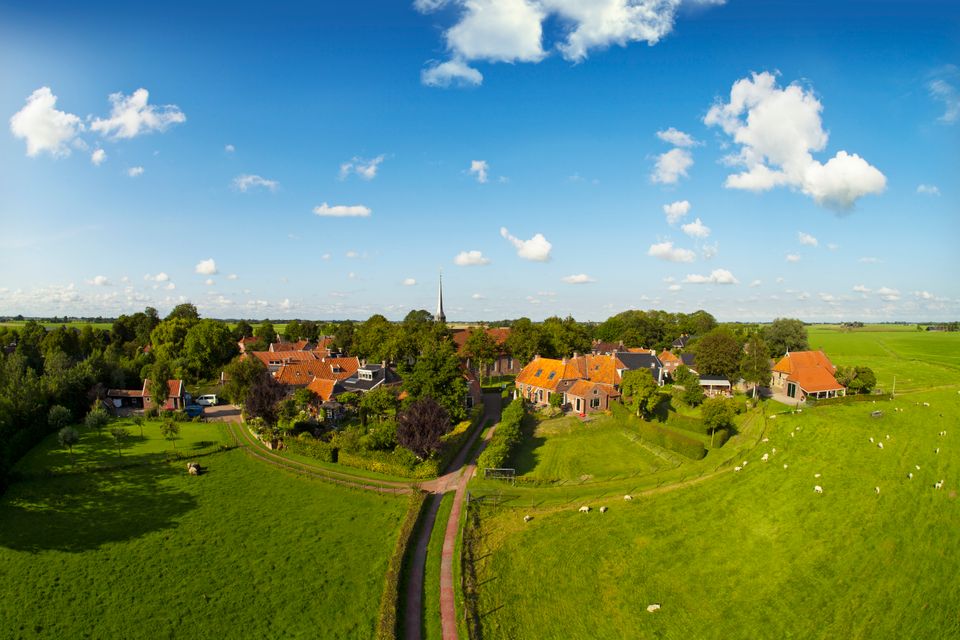
The artificial dwelling hill village that has remained almost unchanged
Although in former days the sea came much further inland, this did not affect any of the brave Groningen inhabitants. On the contrary; they simply started throwing up hills to establish safe and dry places to live. By doing so, they managed to reclaim dozens of pieces of land from the water. But the humble power of the Groningen artificial dwelling hill villages is most strongly felt in Niehove.
Spider’s web
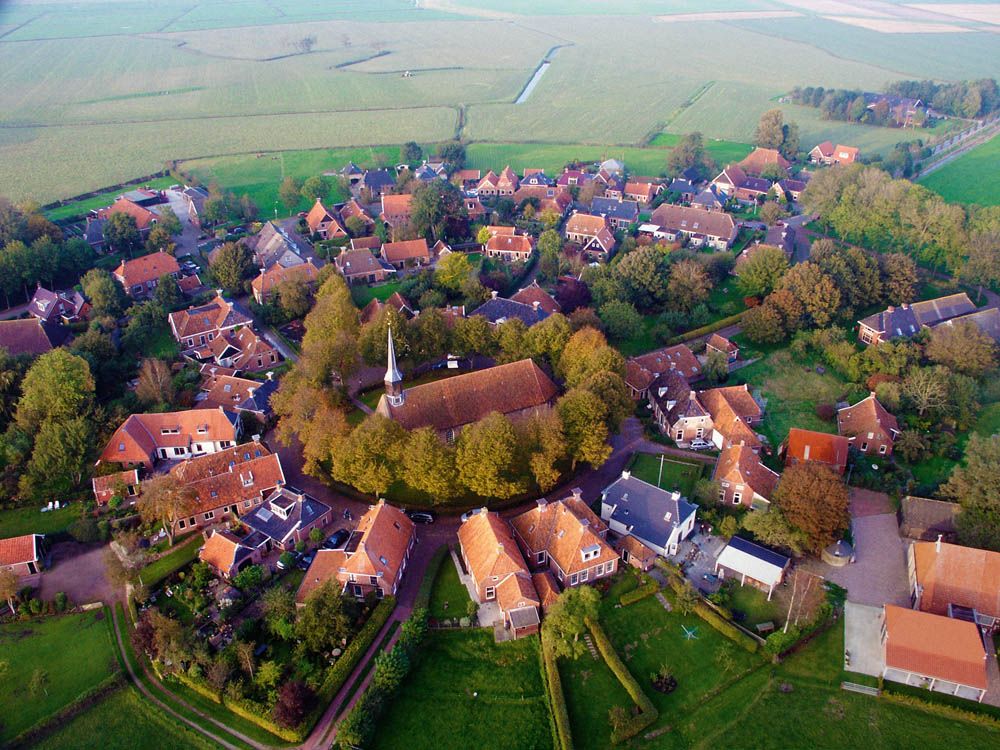
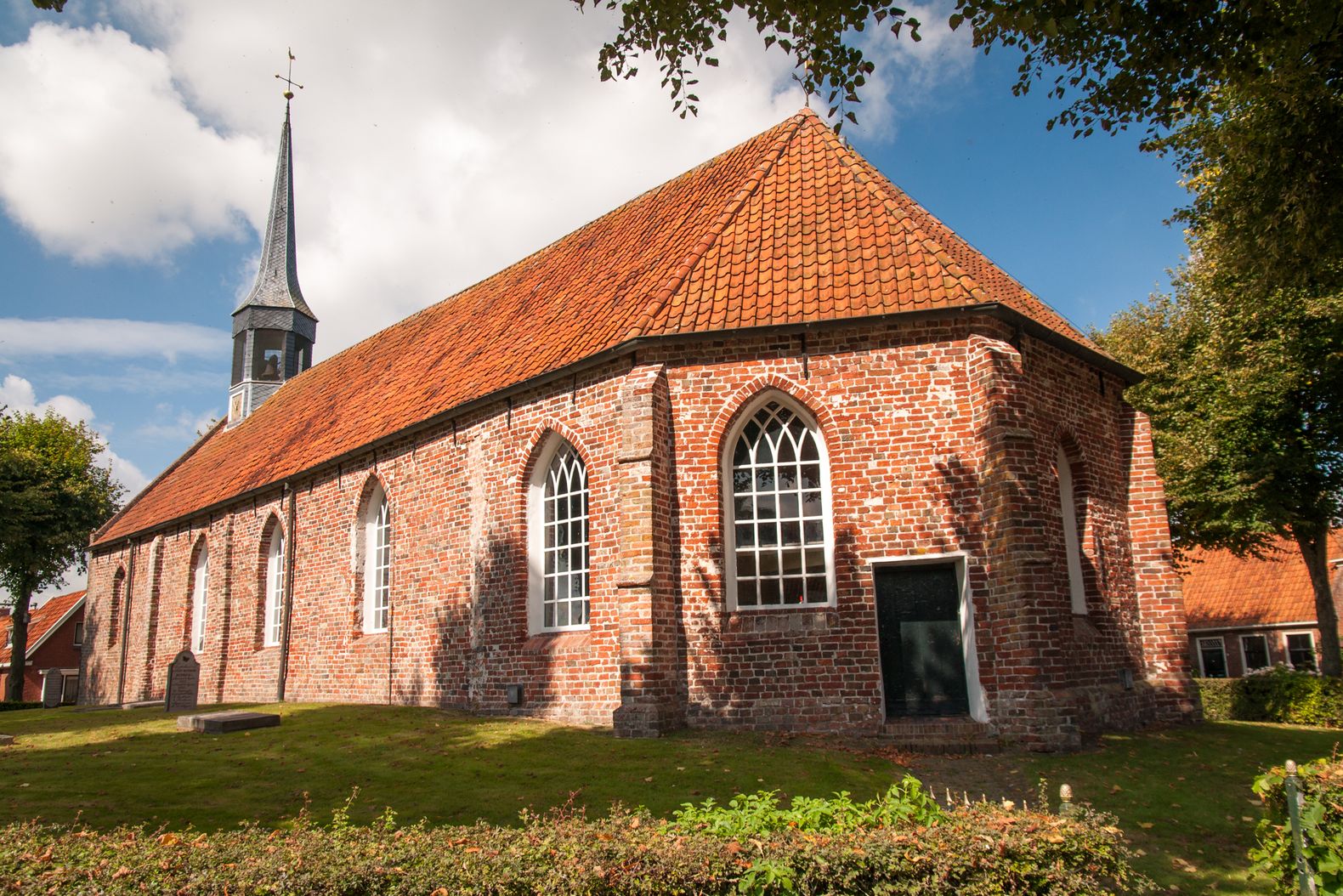
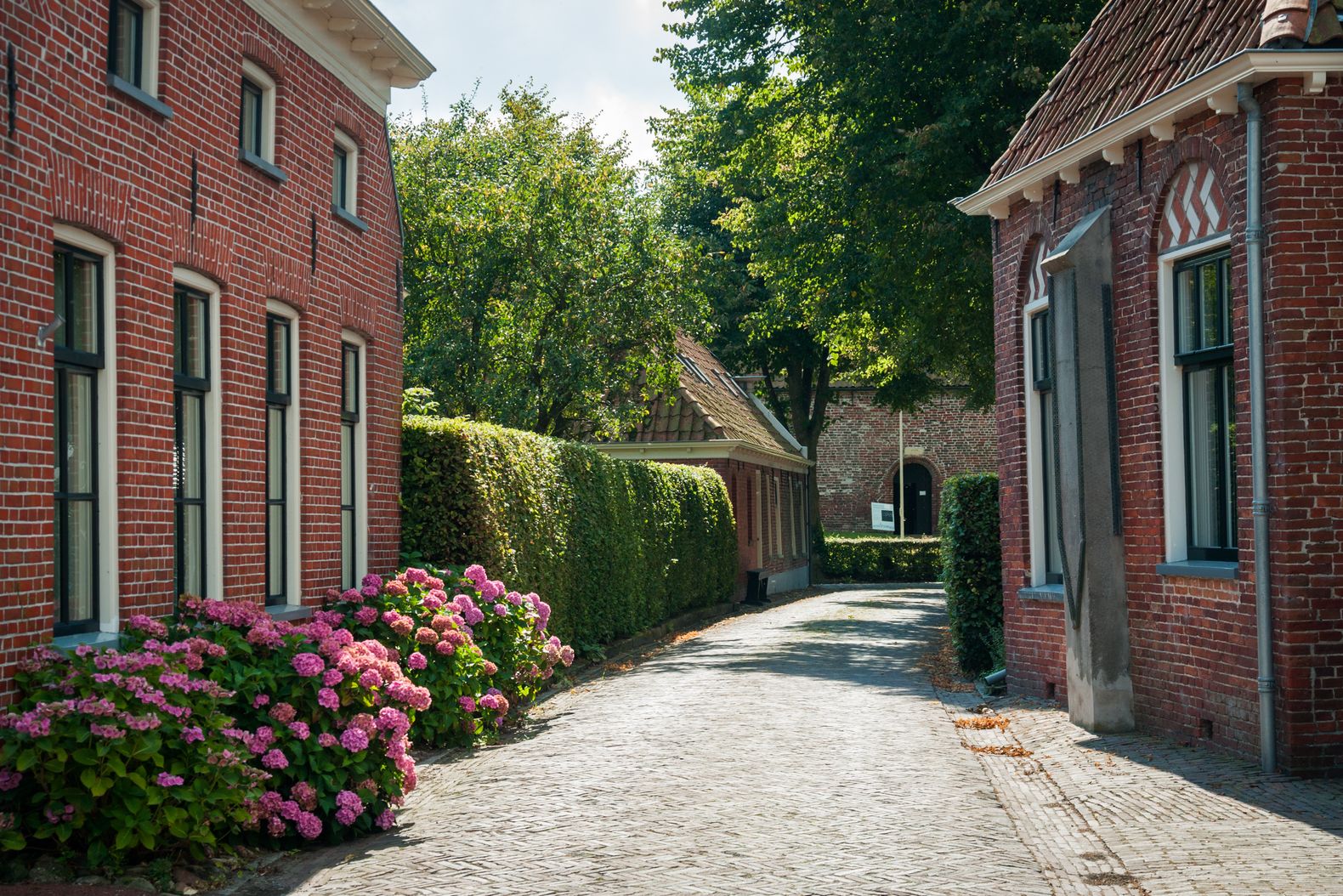
Who could imagine that this small village used to be the capital of Humsterland? With is narrow church paths and red-brick houses, the village looks just like it did centuries ago. Naturally, you’ll find the church in the middle of the village, at the top of the dwelling hill. When viewed from above, Niehove resembles a spider’s web. Around the church are two circles of houses, their backs turned to the pastures. From the church, narrow church paths lead to the lower ring road. The best way to explore this village is by walking this network of streets.