The Westerwolde countryside
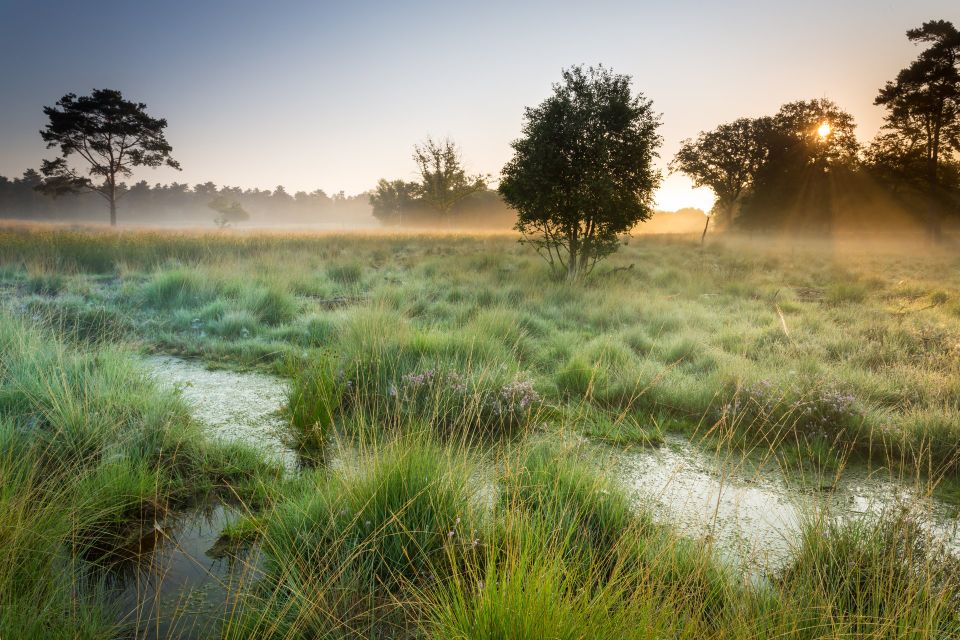
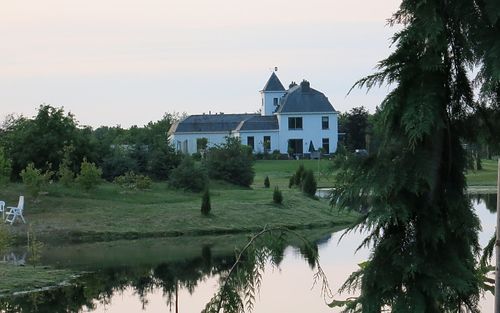
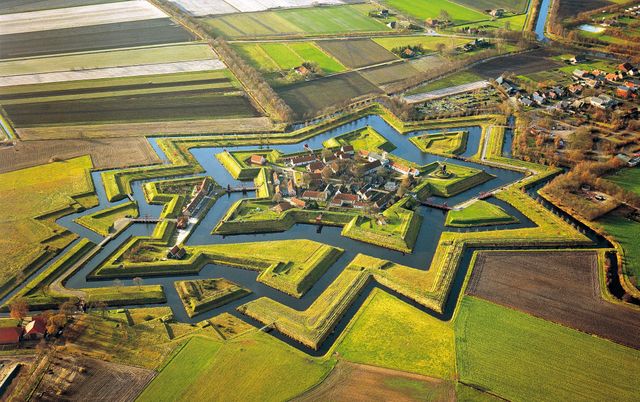
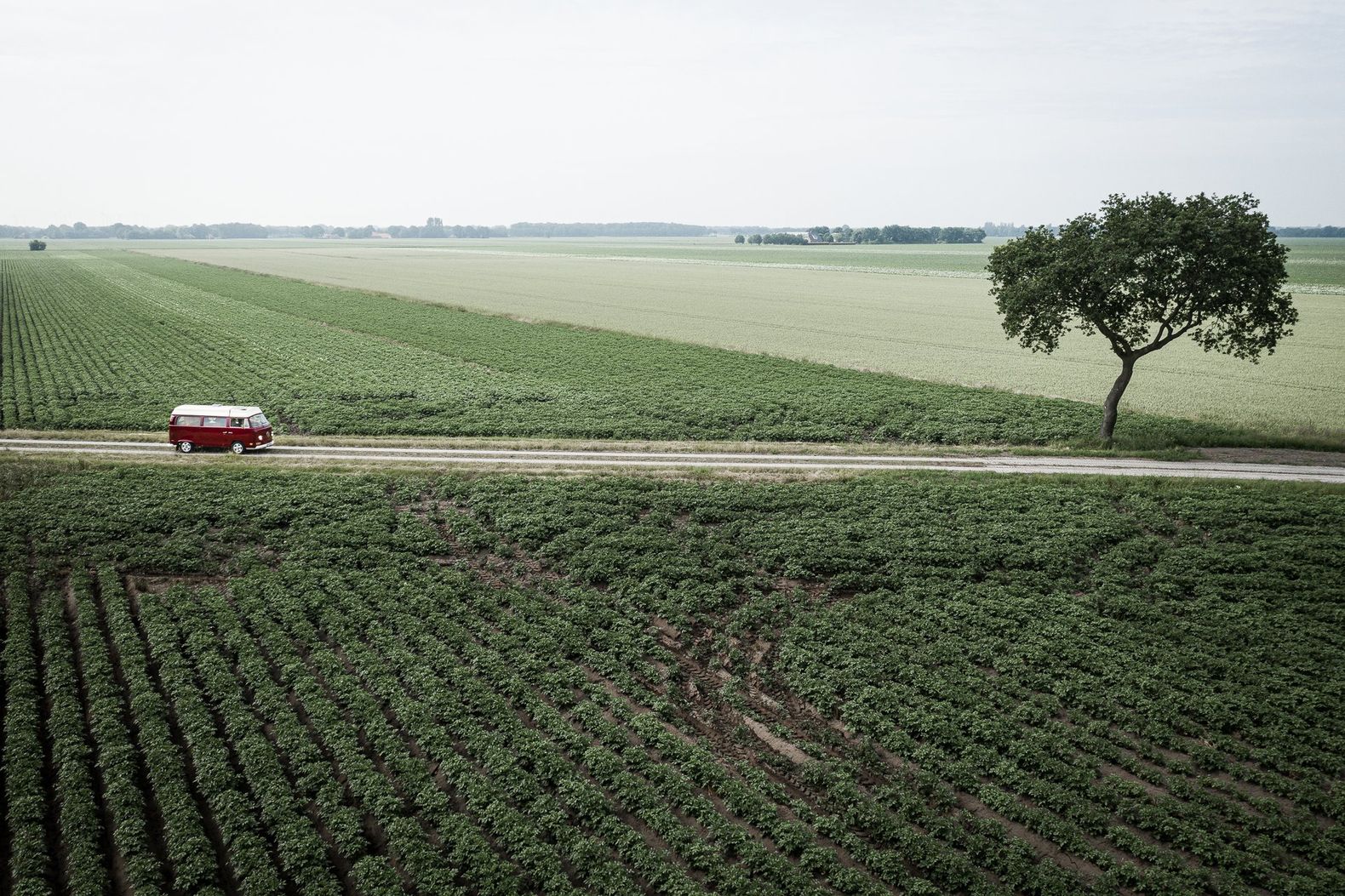
People who know Groningen often immediately associate it with vast fields, clay and an infinite horizons. But this image does not apply to Westerwolde. Instead of straight lines, you will see winding roads, meandering brooks and a slanting scenery. No endless views here, but instead intimate heath patches, wooded areas and arable land. Few areas in the Netherlands have this generous share of beautiful countryside, old woodlands, scenery and lovely stream valleys.
De Ruiten Aa
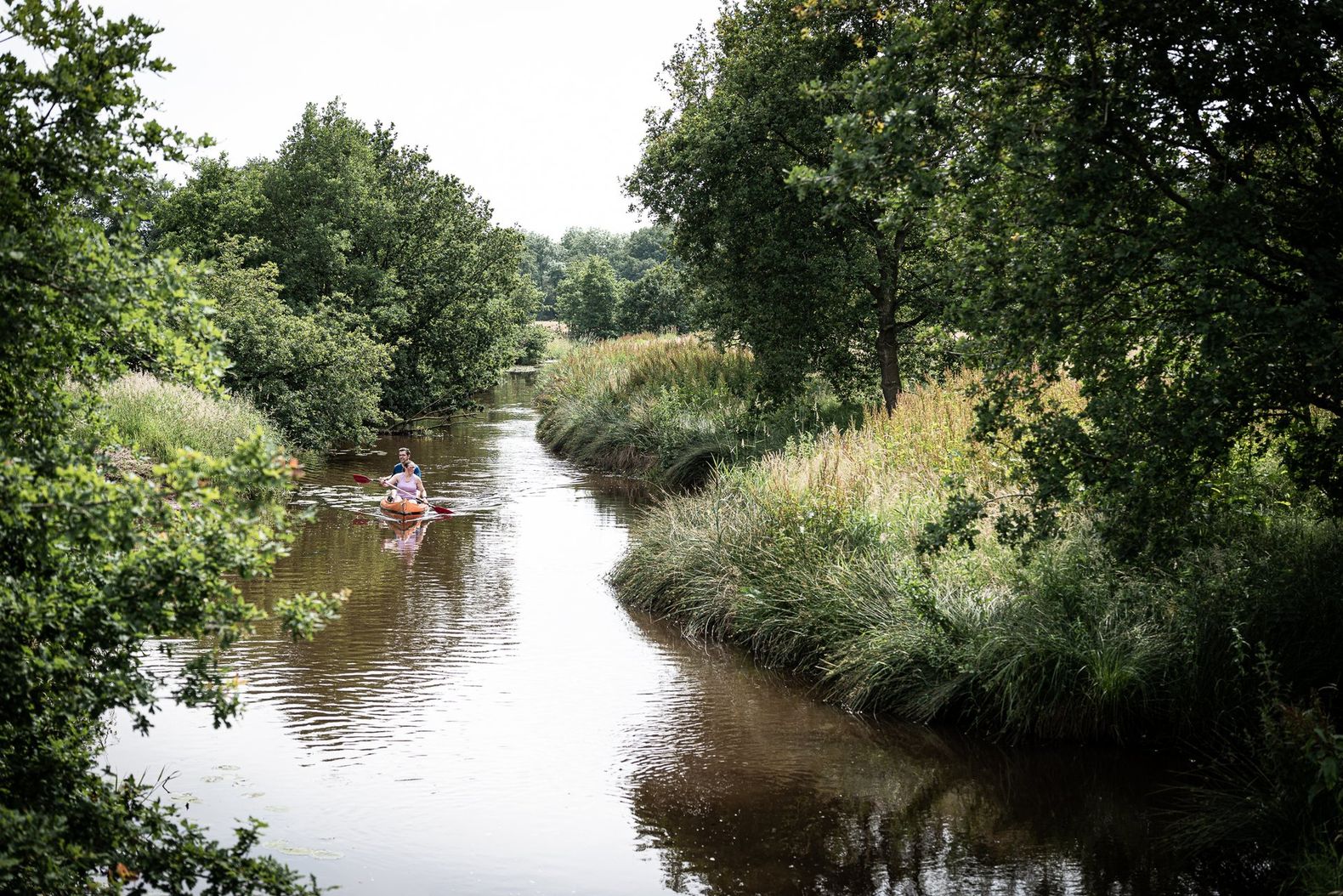
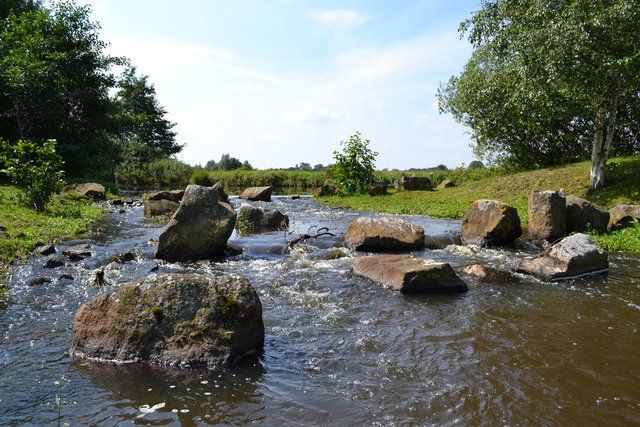
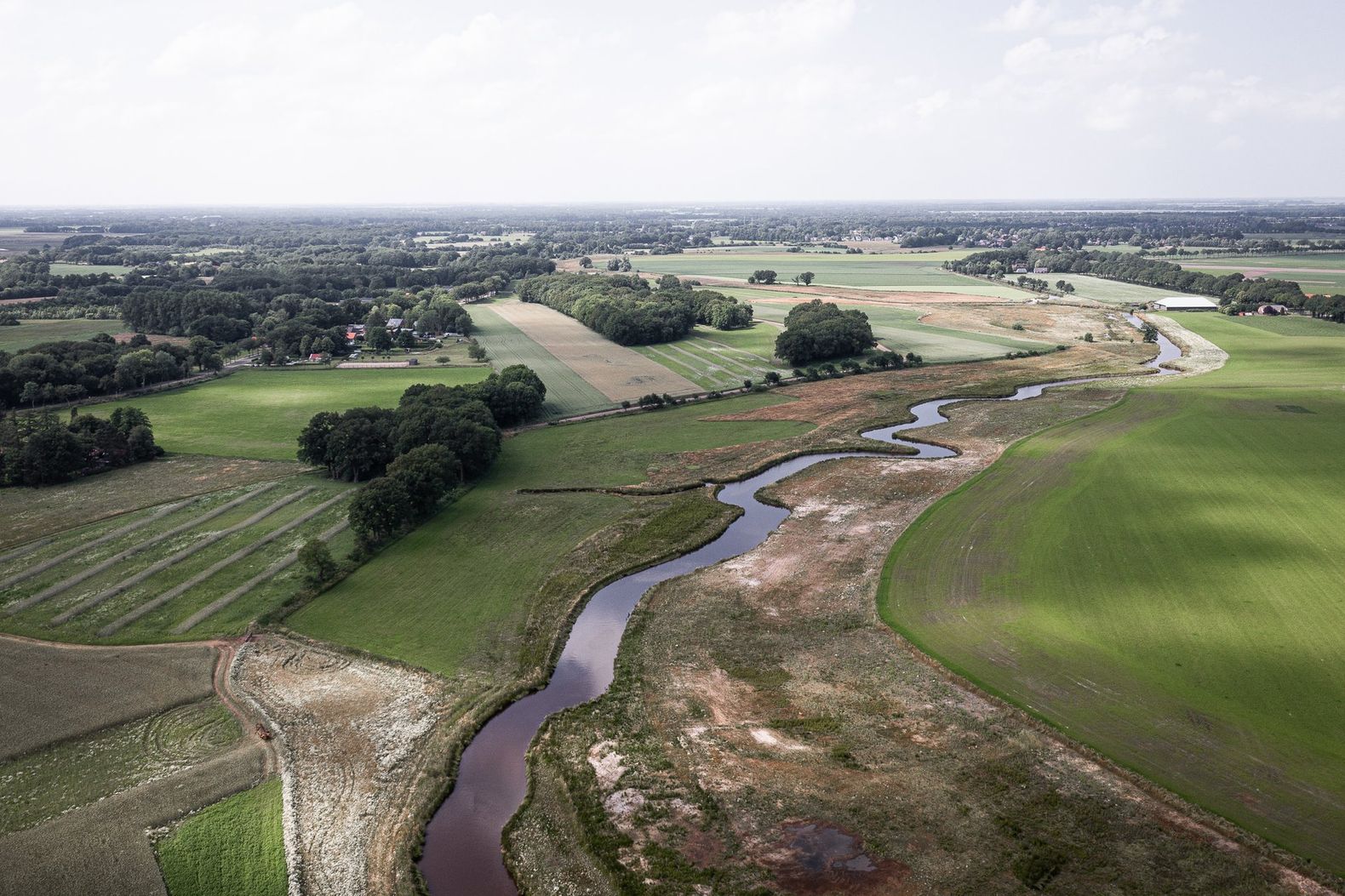
The Ruiten Aa – also referred to as the ‘spine of Westerwolde’ – cuts straight through Westerwolde. You will cross this brook several times during a hike or bicycle ride through the area. When you look over the water, it’s almost unfathomable to think that in the 1960s the Ruiten Aa was straightened for the benefit of arable farming. Fortunately the old meanders were restored in the 1990s, granting it back the space it used to have. Step by step and bit by bit, it was given back its original bed with its twists and meanders.
Plants and animals have reacted instantly to the restoration of the meanders. In spring, this scenic area ‘of old’ explodes in colours from countless flowers. A kingfisher hunts for fish and a great white egret flies over where the sheeted cattle graze the day away. Stork have even made a return to the area. All these changes have resulted in a truly special area with beautiful scenery. A stunning number of habitats developed in the Westerwoldse Aa area in a relatively short period of time, which is really special to the Netherlands. The Ruiten Aa stream valley is known as one of the most beautiful stream valleys in the country.
Century-old wooded areas
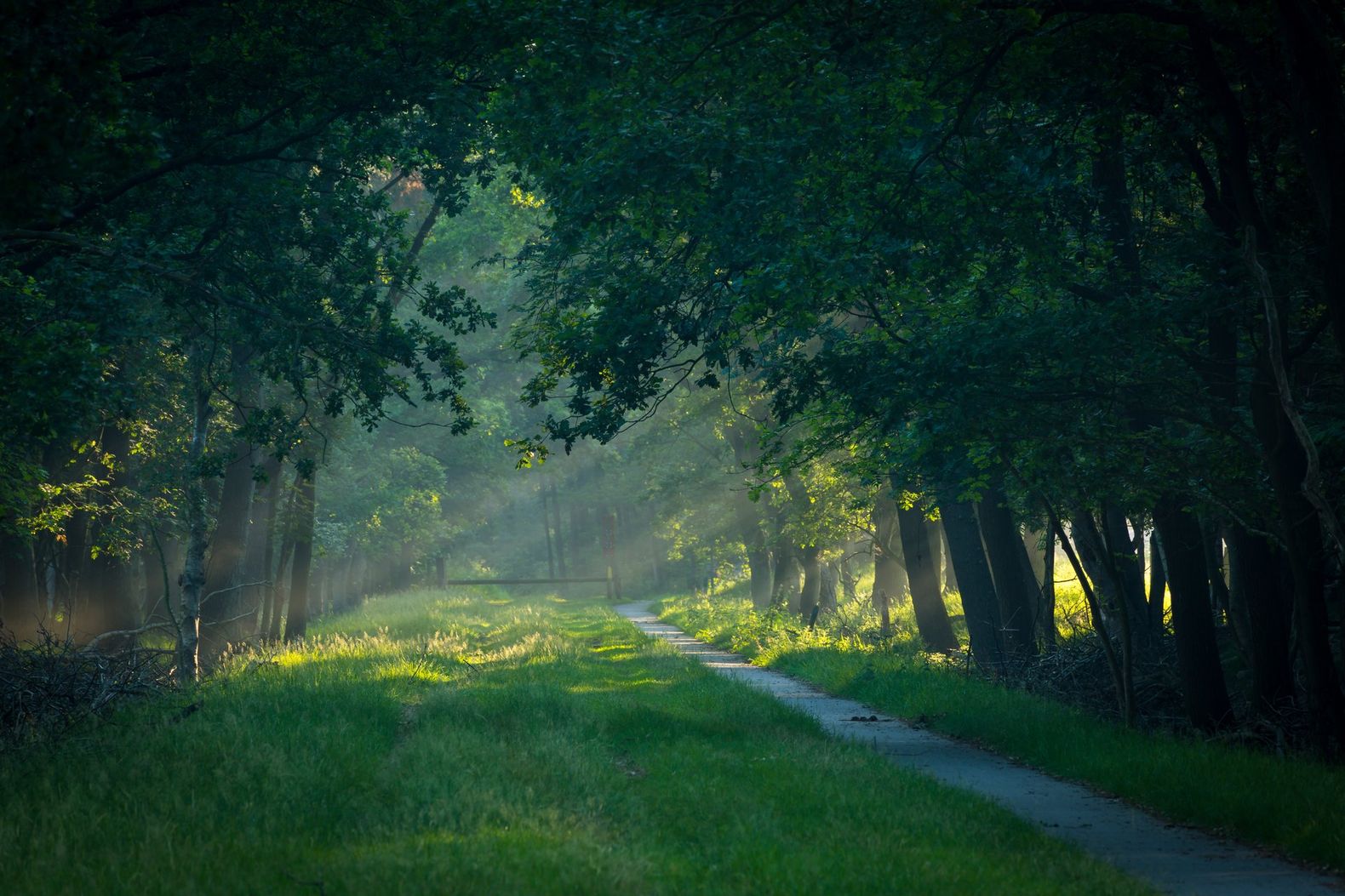
The Ruiten Aa is fringed with varied wooded areas, and Westerwolde features a huge scenic area surface: 2,200 hectares. Parts of it are over 1,000 years old. In the Ter Apel wooded areas, plants flourish that are common in old oak woods. Characteristic varieties that dot and colour the forest floors include Solomon’s seal, May lily, wood anemone and lily-of-the-valley. Did you know that relicts from the Ice Age grow here? Reaching their southern border, arctic starflower is found in few rare places, and this is the only place in the Netherlands where stone bramble still grows.
The Liefstinghsbroek is one of the oldest wooded areas in the Netherlands and the oldest one you’ll find in the province of Groningen (it was mentioned as early as 1590). Because this area has been left undisturbed for almost an entire century, it has a very natural character today. This is where various types of forested areas appear: an area with oaks and beeches, another with oaks and hornbeams and a carr. Spring colours the ground white with wood anemone and wood sorrel flower. Those who’d like to visit can go on a guided tour with a forester.
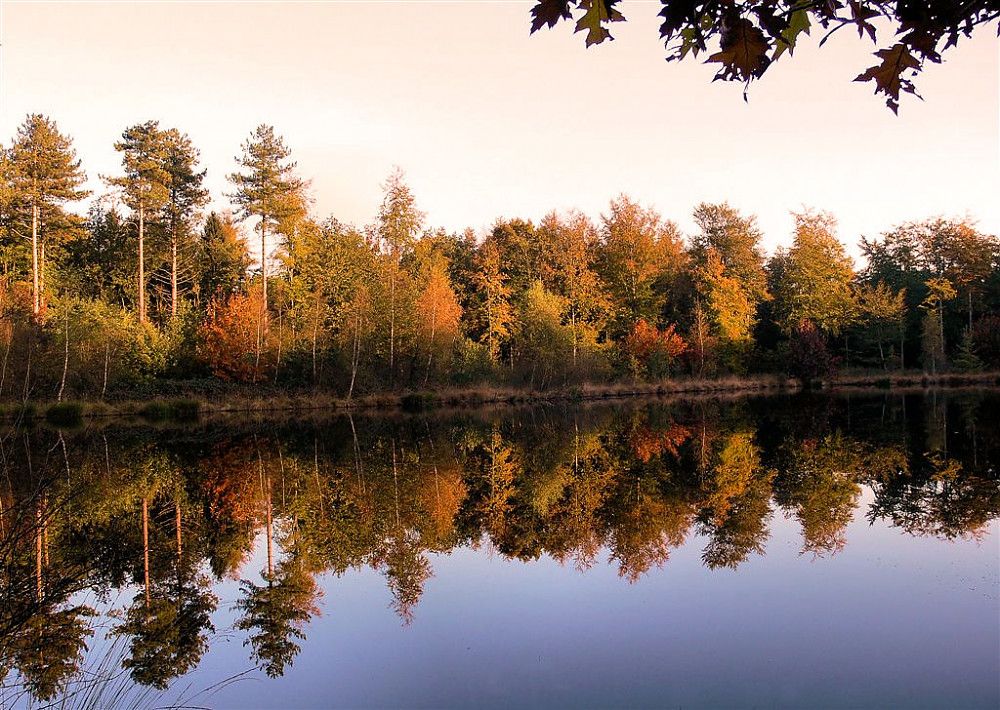
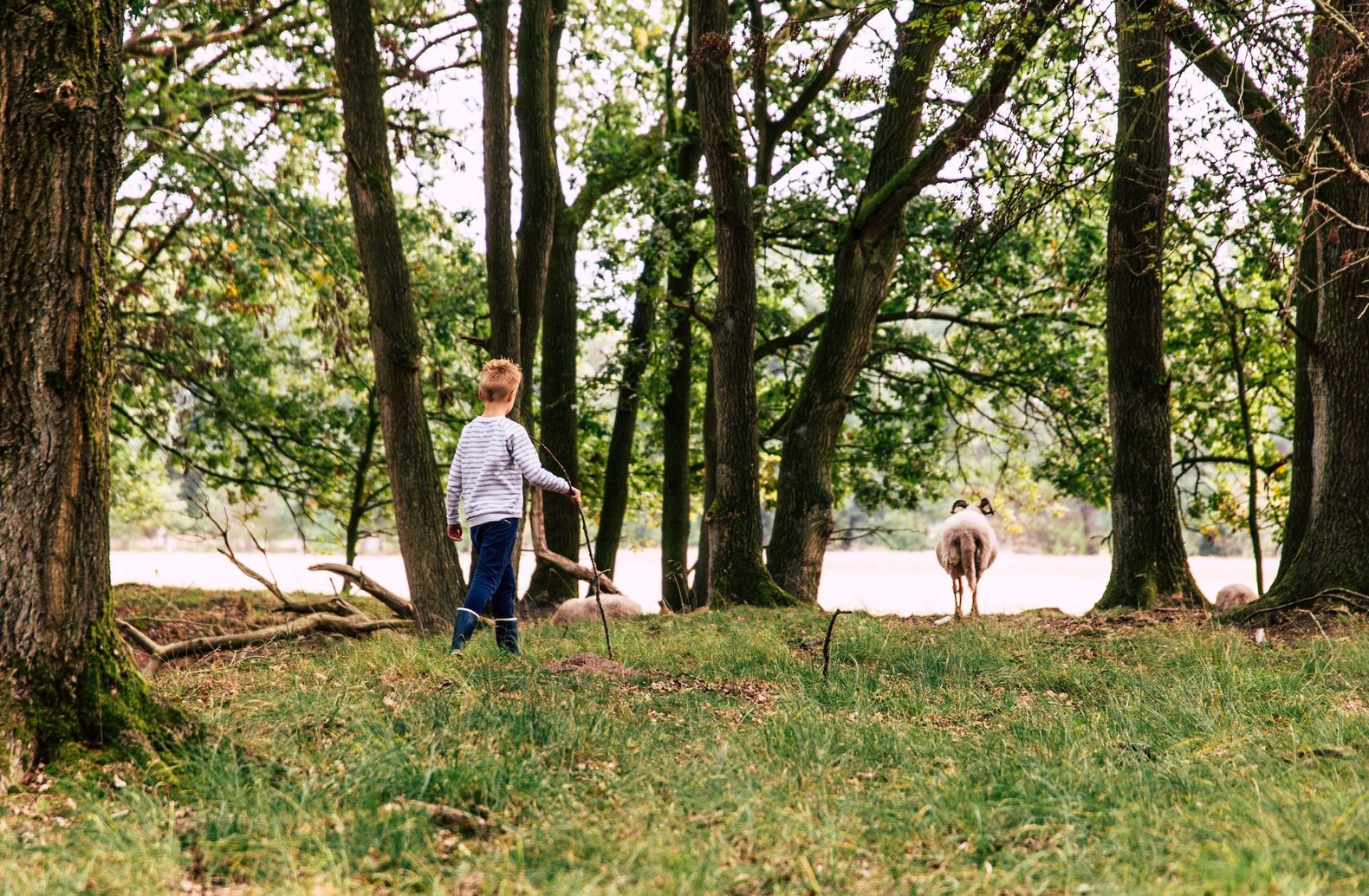
These are by no means the only wooded areas in Westerwolde. There’s the Pagebos near Stadskanaal, an area that is distinguished with many, many pools and charming bridges, canals and plank bridges. When combined with the Veenhuizerstukken, the Vledderbos and the Knoesterbos (Drenthe), it covers an area of almost 500 hectares with plenty of options for some great cycling, hiking and riding. Alternatively, take the entire family to the Blijhamsterbos – a relatively new deciduous forest with various playing fields. The various Westerwolde wooded areas, heaths, stream valleys, secret pools and marsh areas are all rich in a varied flora and fauna.
A bright blue flash
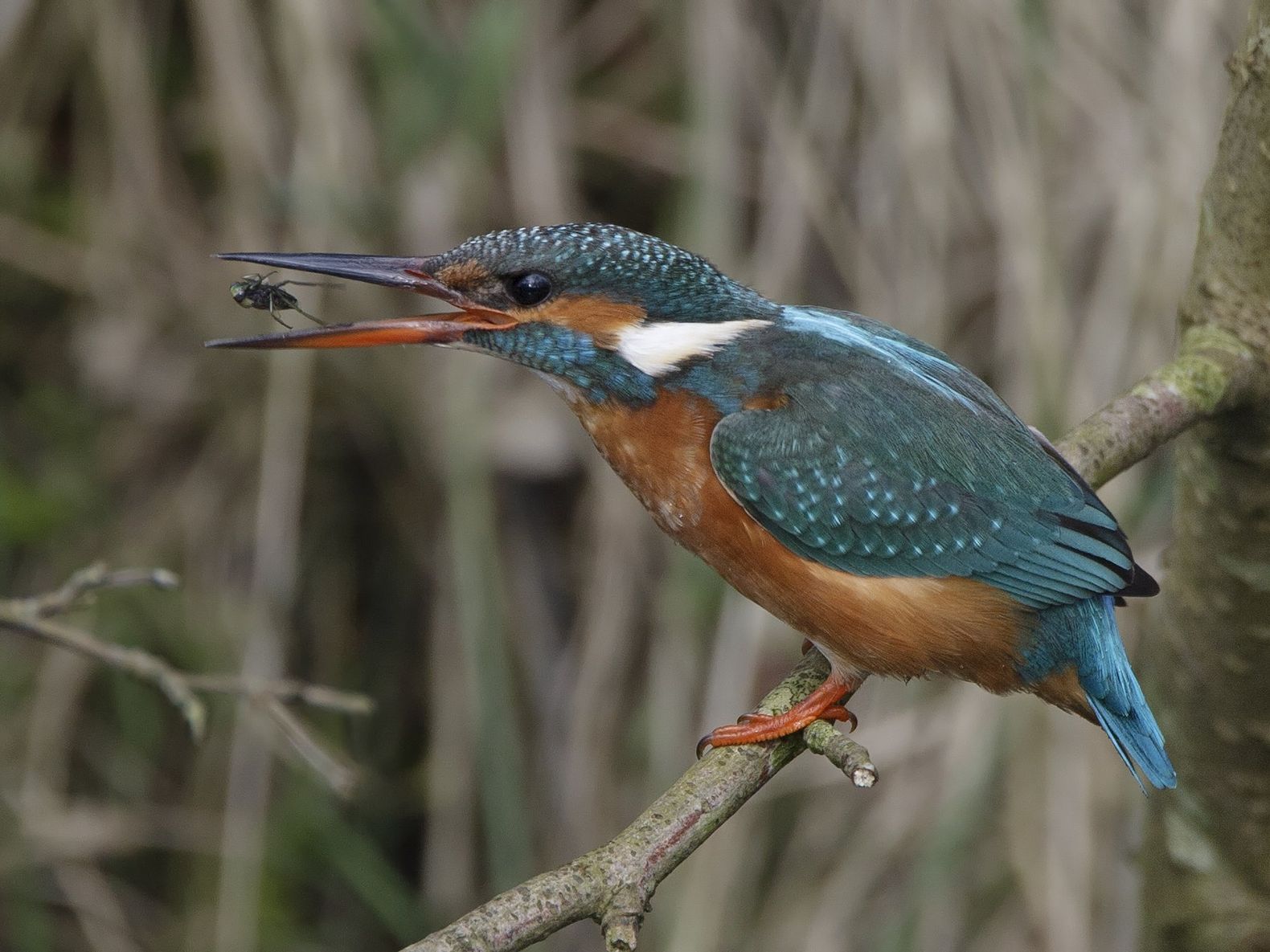
The immensely varied woodlands are a perfect habitat for birds such as wood-warbler, nuthatch and middle spotted woodpecker. The kingfisher is a newcomer to the area: one quick blue flash and it’s gone. With its occasional bush and trees surrounded by meandering waters, the Westerwoldse area checks most of the boxes the elegant blue and orange kingfisher seeks out in its habitat.
Traces from the past
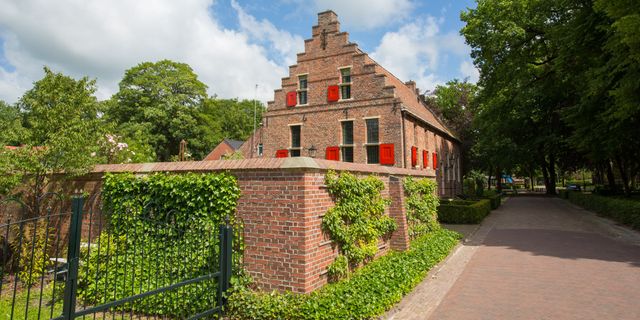
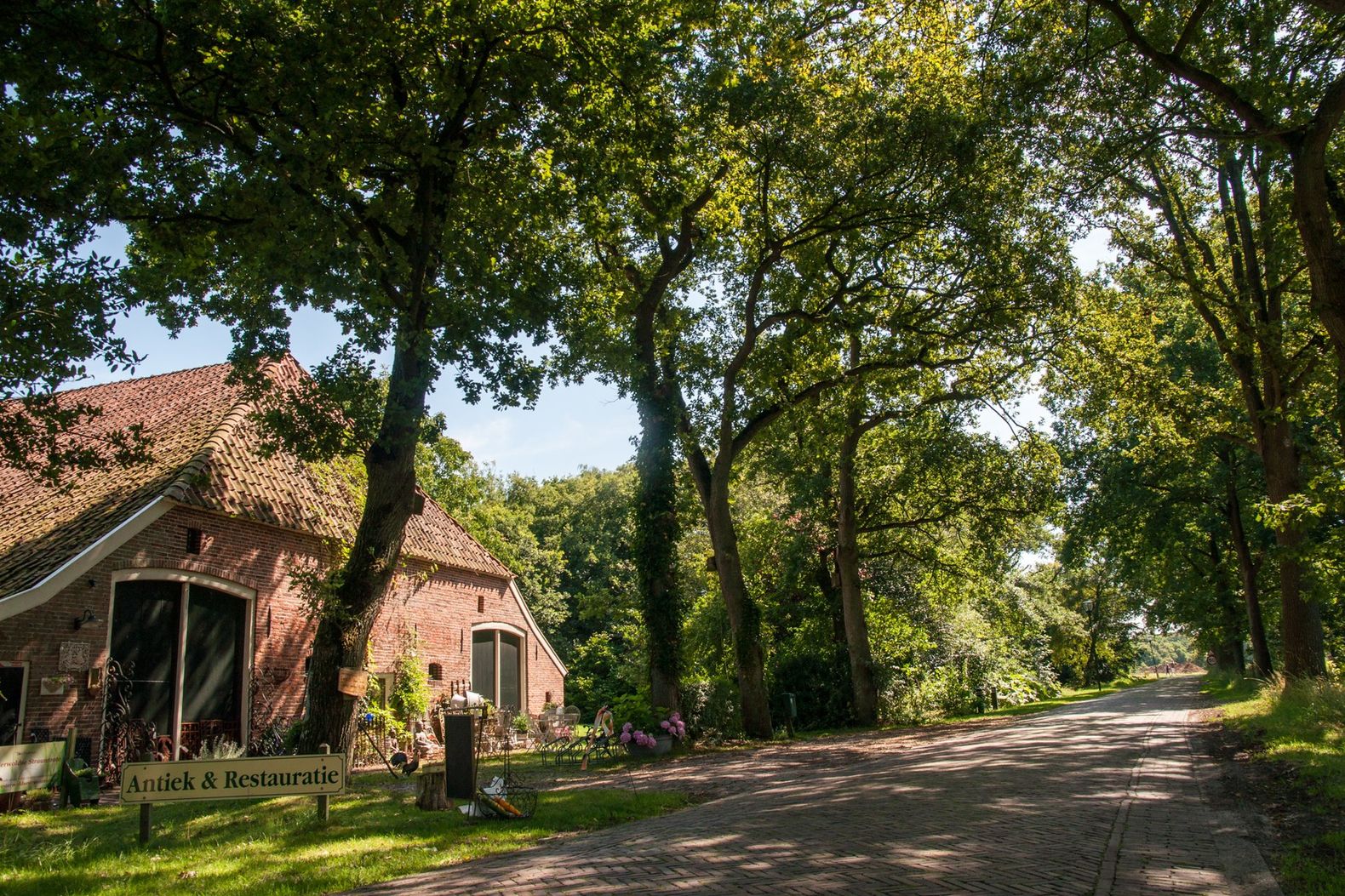
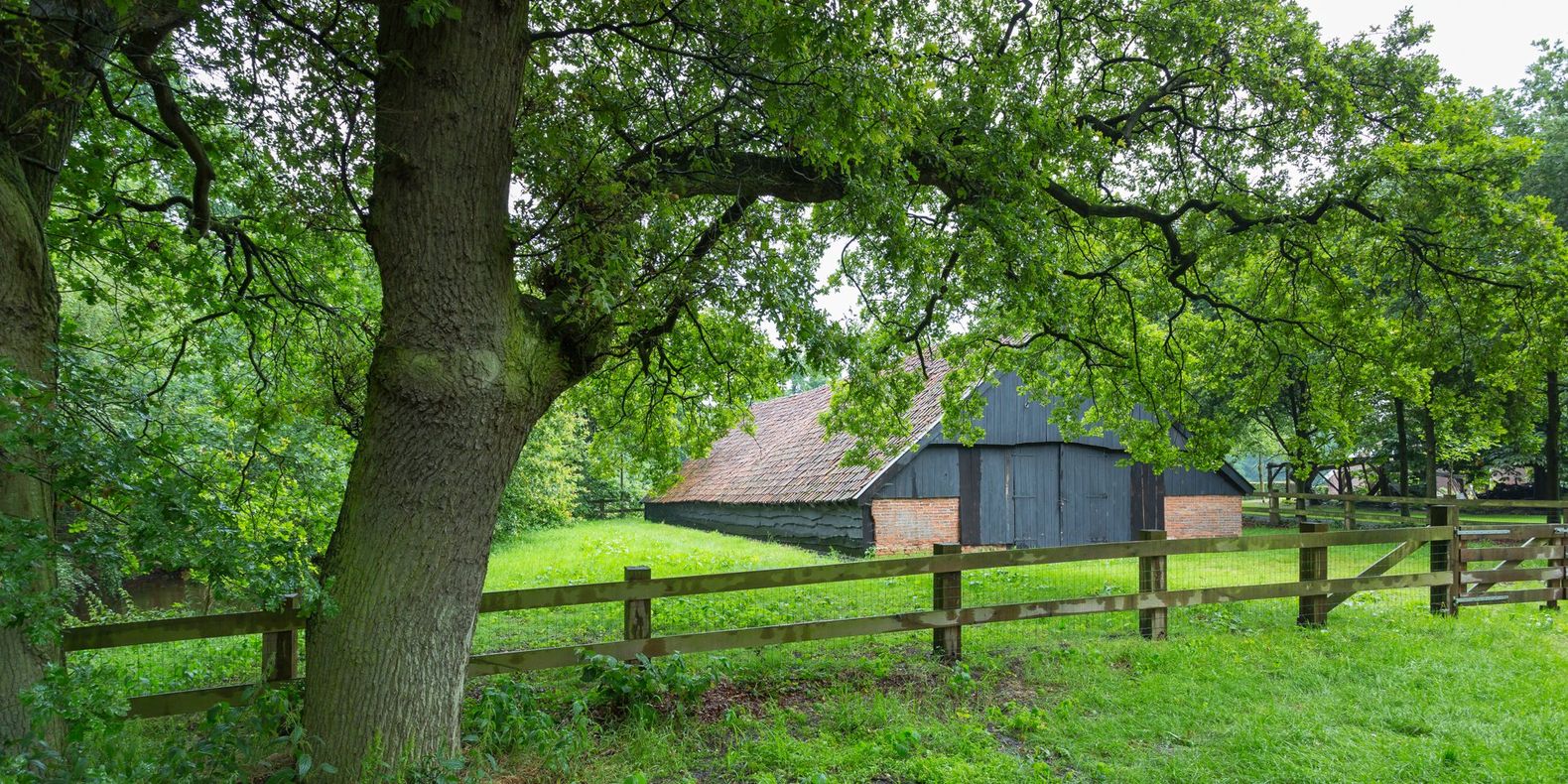
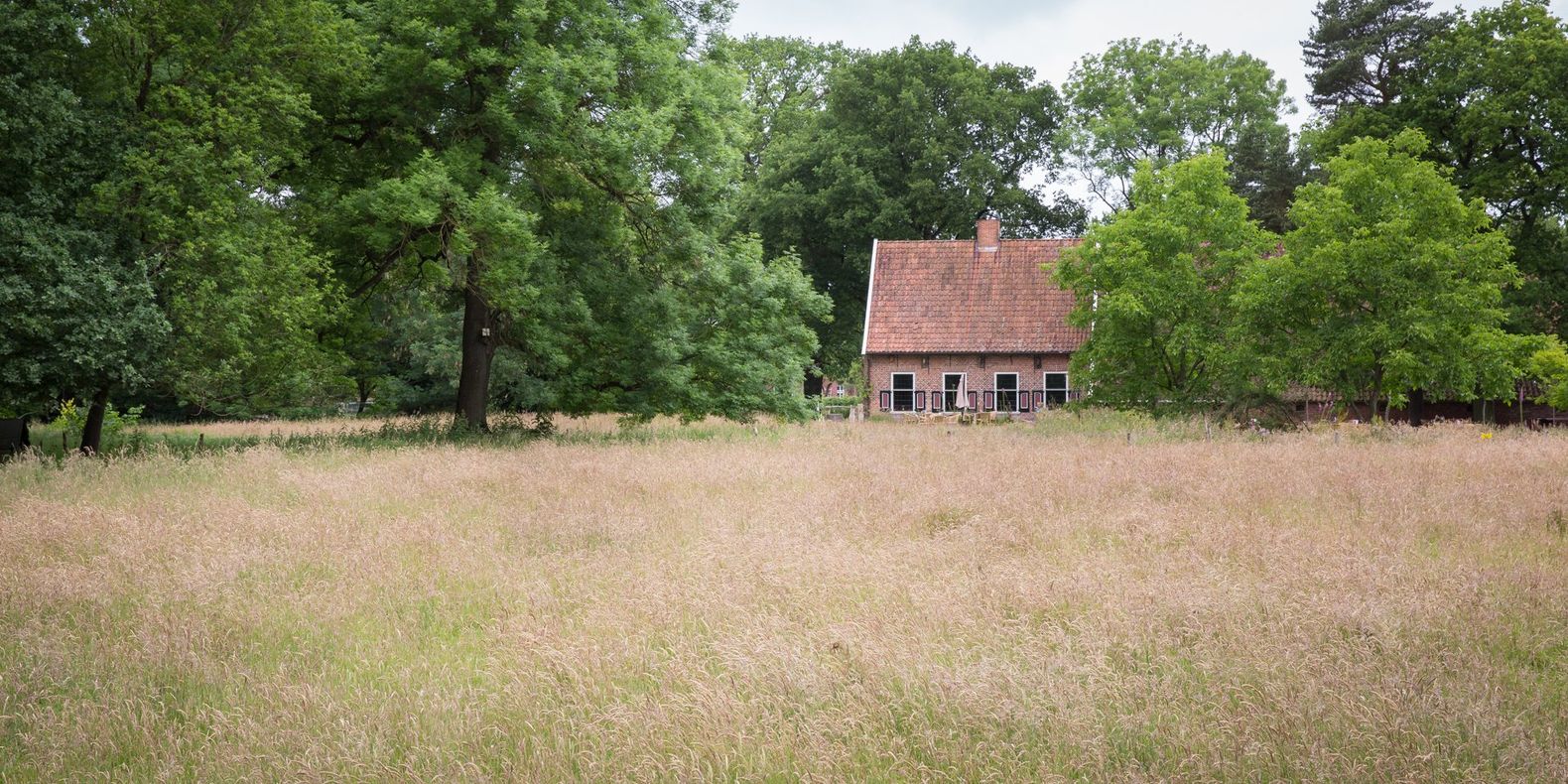
Just like the woodlands, the farms and hamlets also breathe the atmosphere of days long gone. Come see for yourself during a visit to Ter Borg, a hamlet where time has stood still for many centuries. It consists of four farms and a 17th-century sheep fold surrounded by small fields and wooded banks. Some oaks have been here for over 200 years and their trunks are too thick for anyone to be able to put their arms around them. The hamlet of Smeerling is a protected rural area consisting of some dispersed farms dating from various centuries long gone.
A wonderful time in the countryside
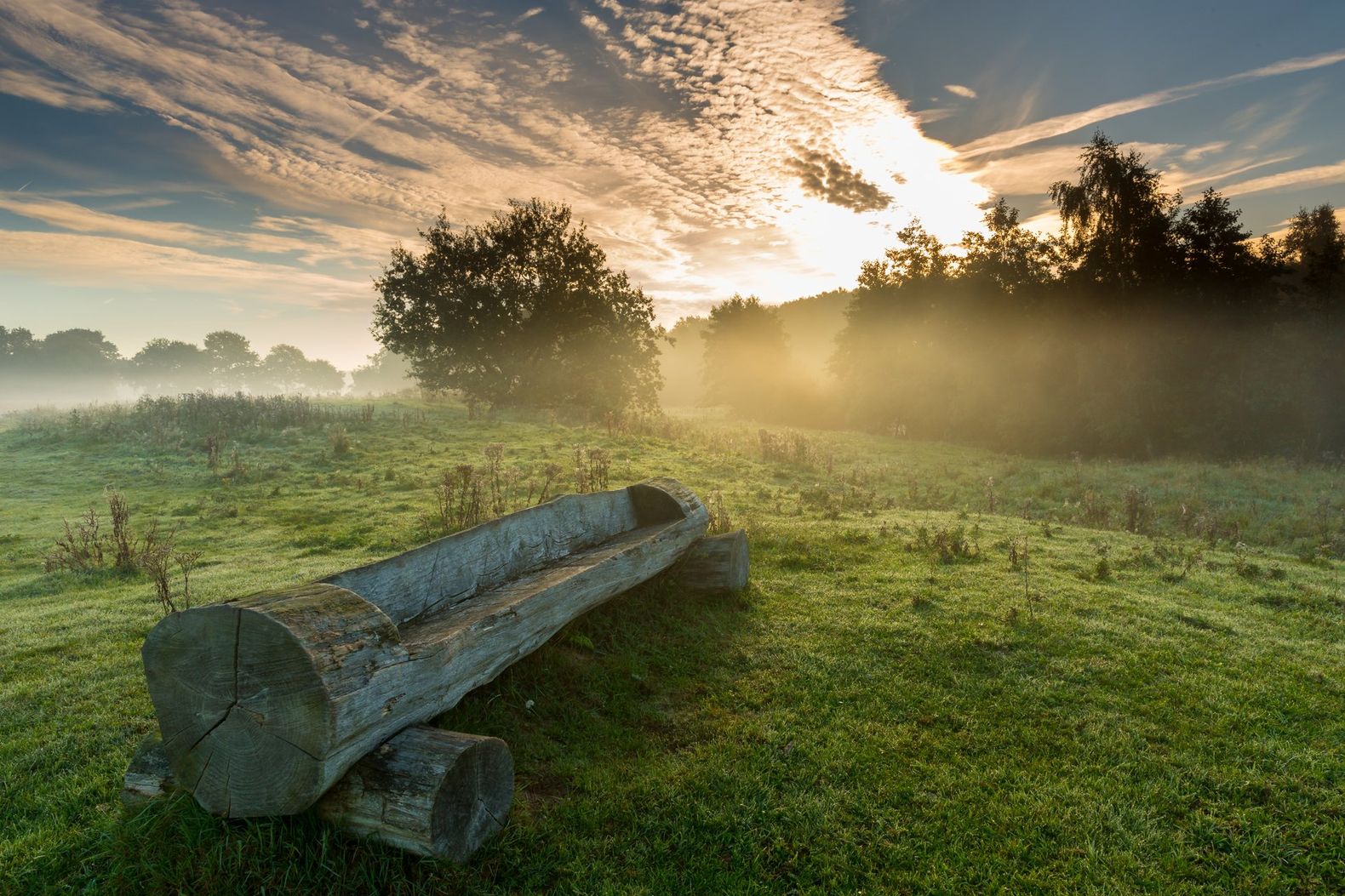
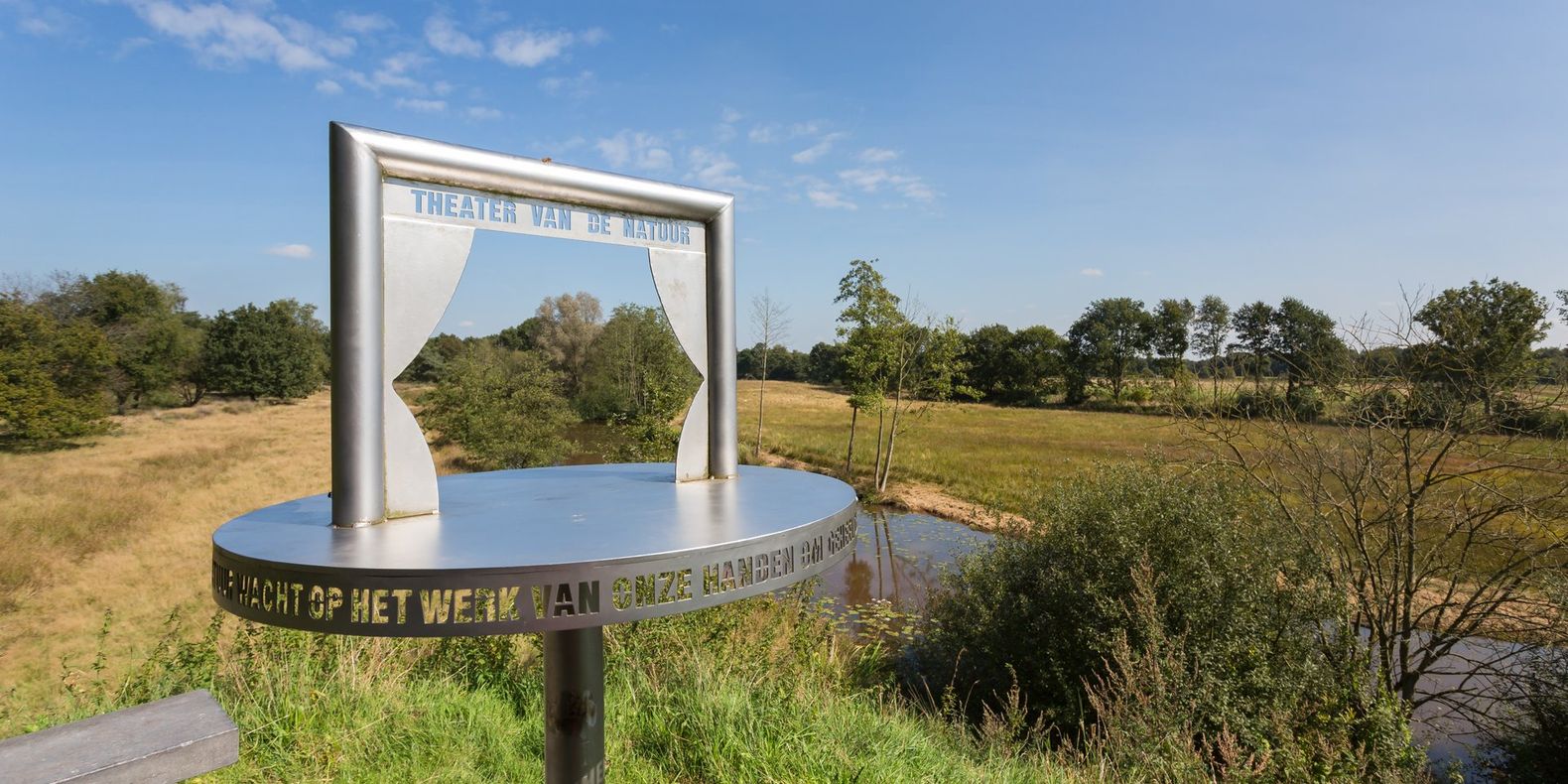
One single and important motto applies to anyone visiting the Westerwolde area: do whatever you feel like, be it cycling, riding or hiking. You’ll find plenty of benches, picnic tables and car parks. The Ruiten Aa has a distinctive viewpoint featuring a work of art by visual artist Adriaan Nette. The Theater van de Natuur rotates to allow visitors to take in the surrounding scenery from various angles and in various ways.
More Westerwolde countryside
-
BuitenWedde
BuitenWedde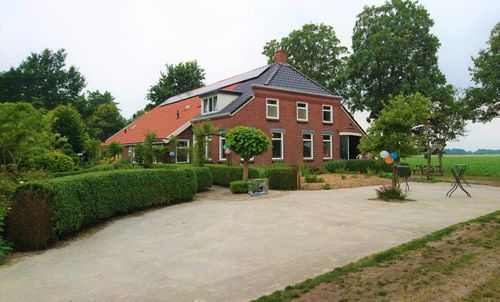
Nature reserve
Just outside Wedde, in a quiet area, you will find 3 attractive holiday homes, which can also be rented together as group accommodation for up to 16 people, a camping site for 4 tents andfive lovely sleeping huts on the camping site. Sheltered and quiet.