Spotting wildlife in Groningen’s countryside
Flying all the way to Africa just to spot the Big Five? There’s absolutely no need. Groningen’s natural landscape is also home to a whole host of beautiful animal species, from the majestic white-tailed eagle to adorable otters. We’ve listed Groningen’s five icons for you. And, of course, we’ll also tell you exactly where you can spot them in Groningen. Very handy, isn’t it?
White-tailed eagle
They circle above the landscape, scanning the ground. And then suddenly a dive downwards – bam! – he’s caught a fish from the water. The white-tailed eagle is the largest bird of prey found in the Netherlands and an excellent fisherman. Until the start of this century, the species had completely disappeared from the Netherlands, but white-tailed eagles have now made a full comeback. This is also the case in Groningen. Several pairs can be found here, raising their young every year. You can recognise them by their wingspan of over two metres, their yellow beak and their white tail. It’s also worth knowing that if the waterbirds in the vicinity become restless, it often means a white-tailed eagle is on its way.

-
Zuidlaardermeer
Zuidlaardermeer

-
Lauwersmeer
Lauwersmeer

-
Onlanden
Onlanden

Seal
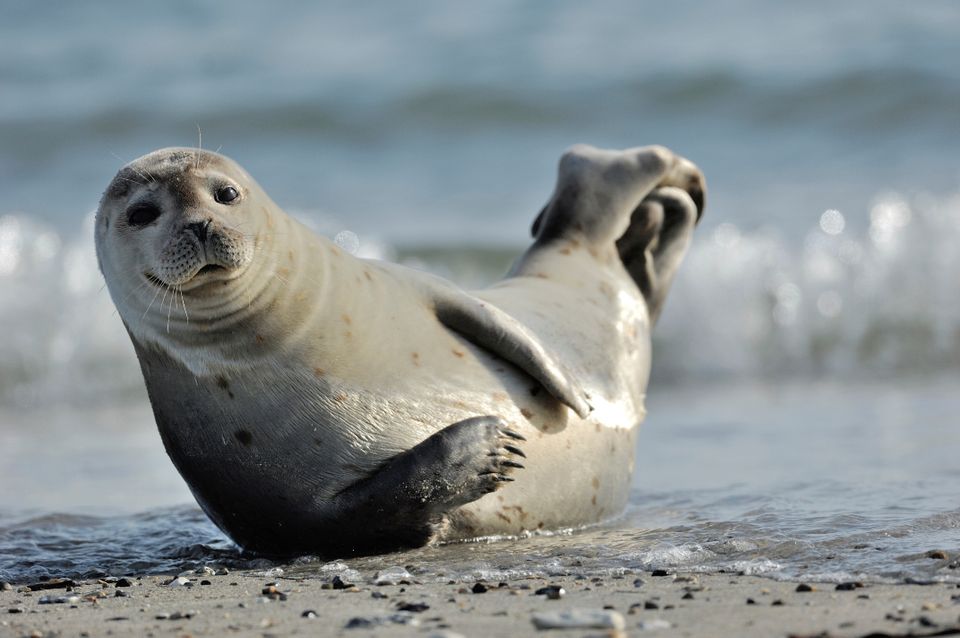
The icon of the Wadden Sea is, of course, the seal. But did you know that there are two different species of seal? The harbour seal and the grey seal. The best way to tell them apart is to look at their heads: a grey seal has a fairly pointed head, whilst that of a harbour seal is rounder. The grey seal is also slightly larger, making it the largest predator in the Wadden Sea. In May and June, harbour seals give birth to their pups, and the sandbanks are then teeming with them. A great spot to see this is at the zeehondenkijkwand at Punt van Reide.
-
Wadden Sea
Wadden Sea

-
Punt van Reide
Punt van Reide

-
Kiekkaaste
Kiekkaaste

Bever
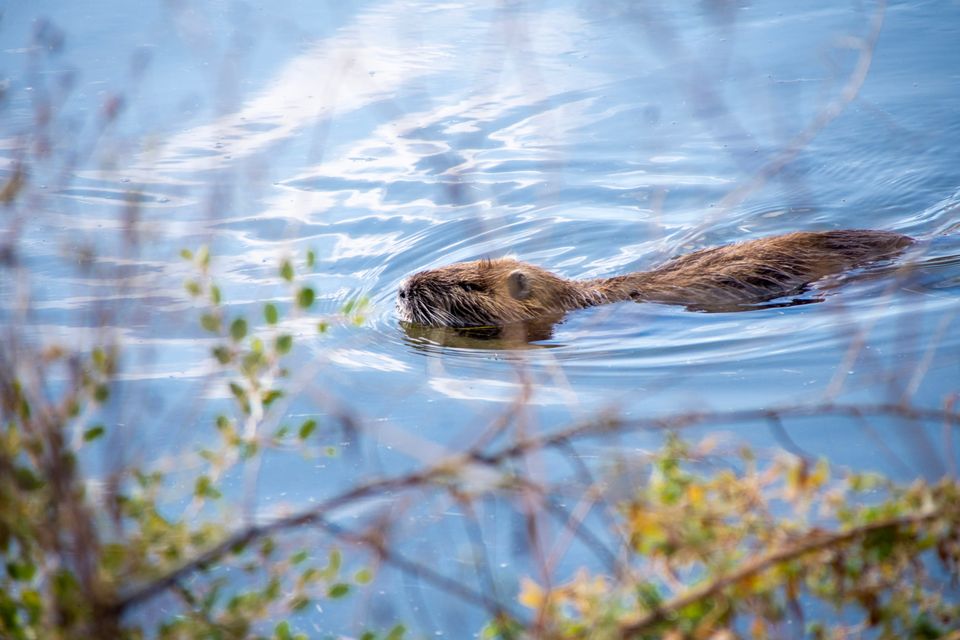
Spotted any gnawed-down trees? Chances are there’s a beaver nearby. These fluffy animals are the largest rodents found in Europe. With their large orange incisors, they gnaw down trees to build their characteristic dams and lodges. Incidentally, the chances of seeing a beaver at work in broad daylight aren’t that great, as beavers are nocturnal. You’re more likely to spot one at dusk. As well as beavers, Groningen is also home to muskrats and coypu, which look very similar. The difference is easiest to spot when they’re on land: beavers have a much flatter and broader tail than the other two species.
-
Zuidlaardermeer
Zuidlaardermeer

-
Ruiten Aa
Ruiten Aa
-
Paterswoldsemeer
Paterswoldsemeer

Konik
The Konik horse is not native to Groningen, but over the years this Polish grazer has become an indispensable species in Groningen’s natural landscape. Koniks live in large herds and are used in various areas as natural grass cutters. They ensure that nature reserves do not become overgrown and retain their open character. Did you know that Groningen was the first place where they were used in this way? The Ennemaborg estate was used to trial the scheme. It proved such a success that they are still galloping around there today and have also been introduced to many other locations.

-
Lauwersmeer
Lauwersmeer

-
Ennemaborg Estate
Ennemaborg Estate

-
Kropswolderbuitenpolder
Kropswolderbuitenpolder

Otter
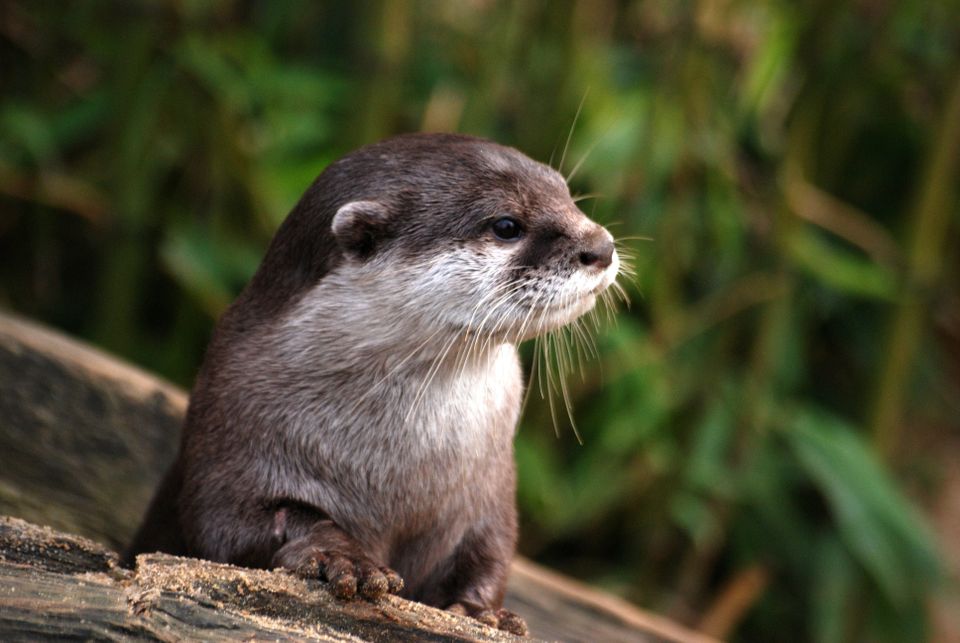
Spotted an otter? Then you know the water nearby is clean and clear. Otters are proper diva-like creatures and don’t like dirt. For a long time, these adorable mustelids were struggling in the Netherlands. Due to hunting and road traffic, the species had even become extinct here by 1988. Since then, a great deal of work has been done to reintroduce the species – and successfully so; the species is now found in many more places. They’re not averse to a city break either; hunting otters are regularly spotted in the city’s outer ring. Just like the beaver, the otter is mainly active at night.
-
Leekstermeer
Leekstermeer

-
Onlanden
Onlanden

-
Roegwold
Roegwold