Westerwold nature
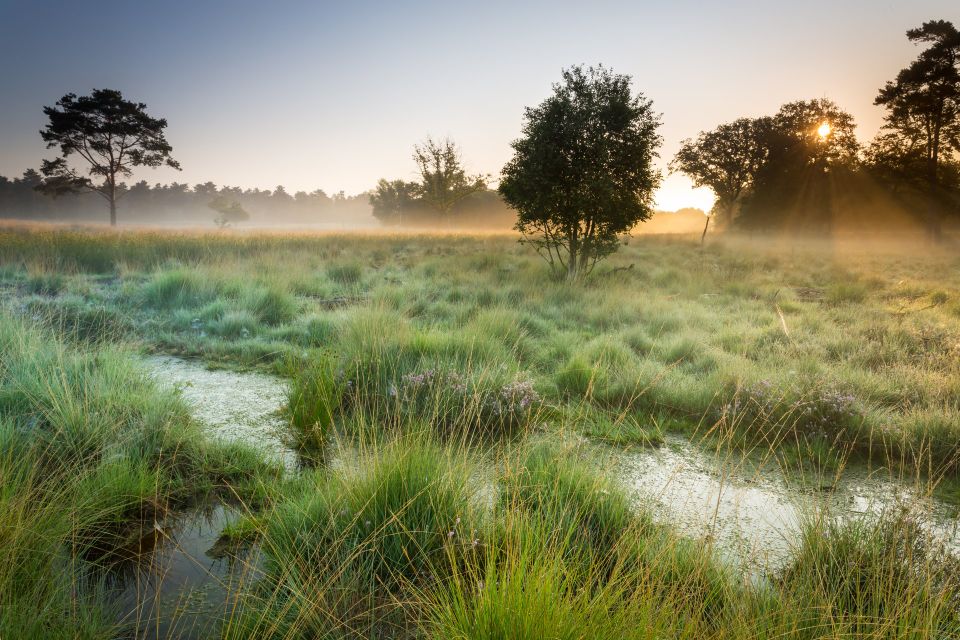
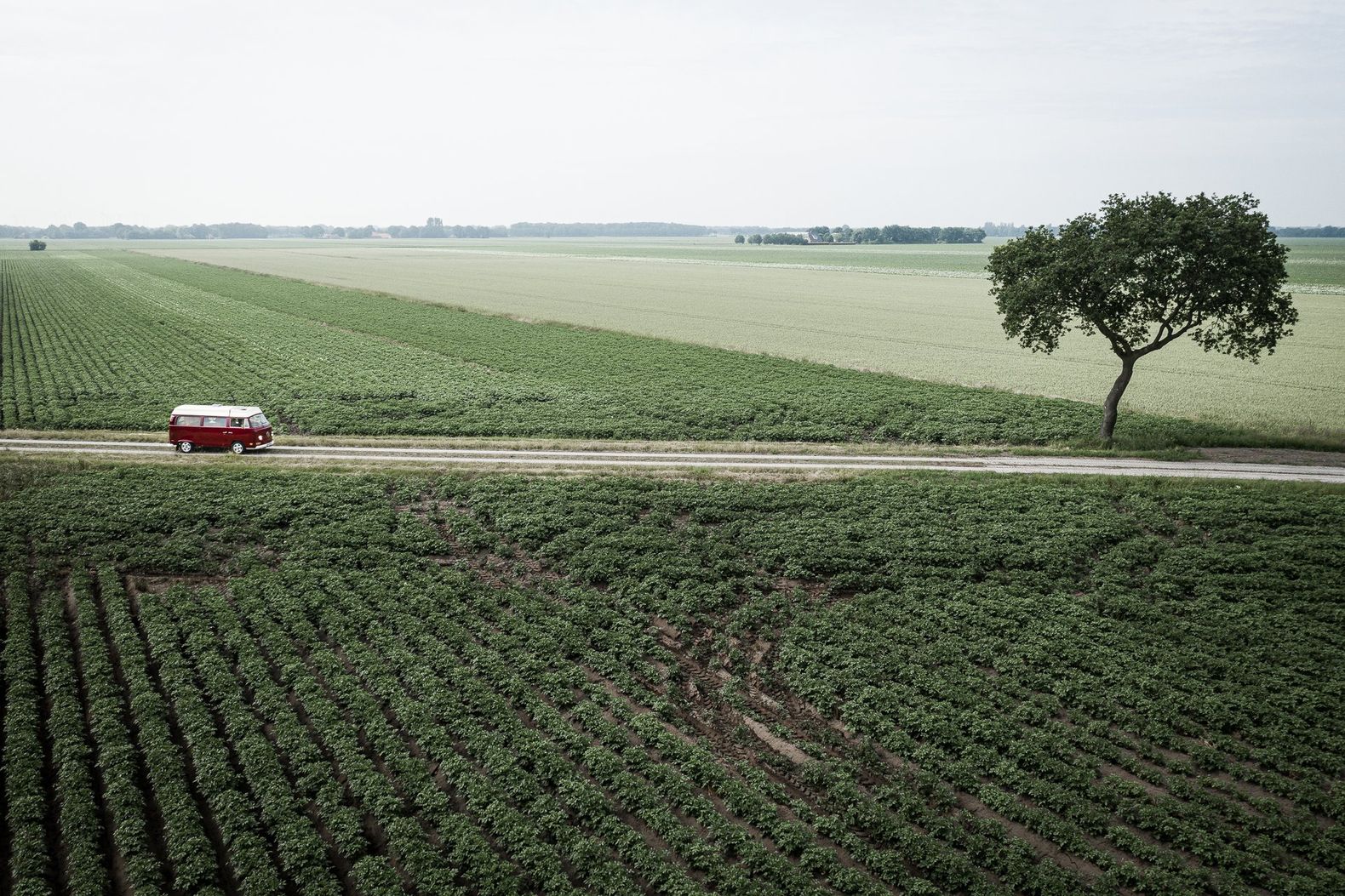
When you think of Groningen, you quickly think of vast fields, clay and a distant horizon. But things are different in Westerwolde. No straight lines here, but winding roads, meandering streams and undulating landscapes. No distant enders, but intimate patches of heathland, forest and arable land. Few areas in the Netherlands are so richly endowed with surprising landscapes, ancient forests, nature reserves and beautiful stream valleys.
De Ruiten Aa
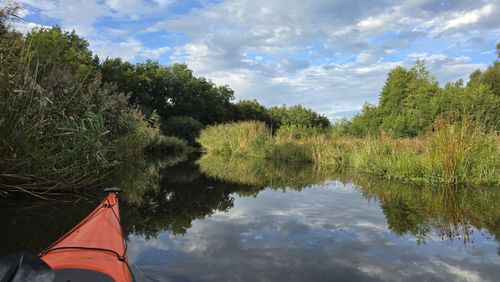
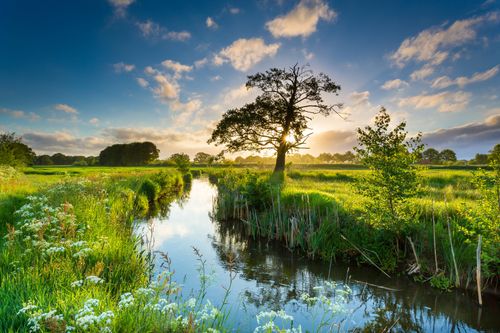
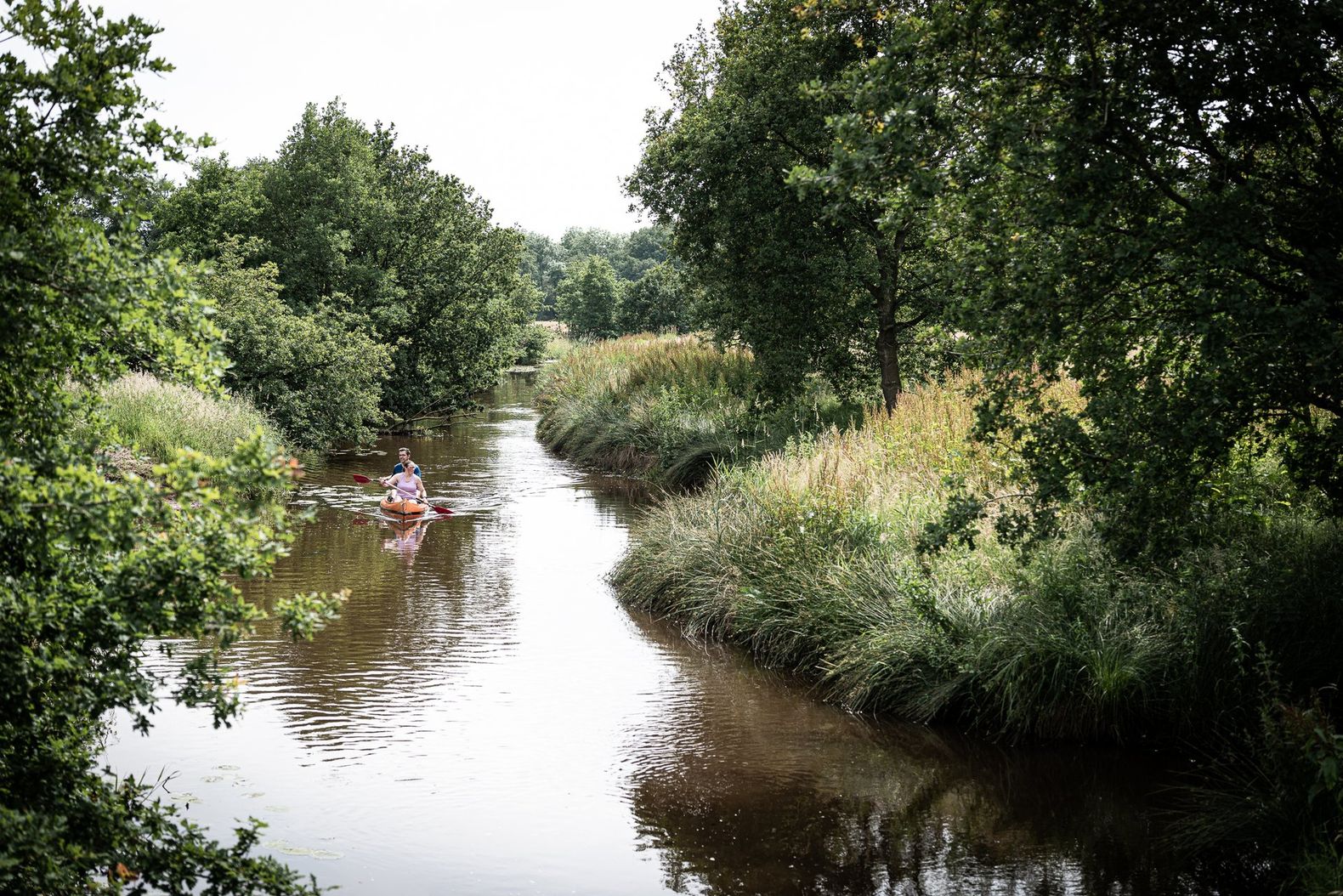
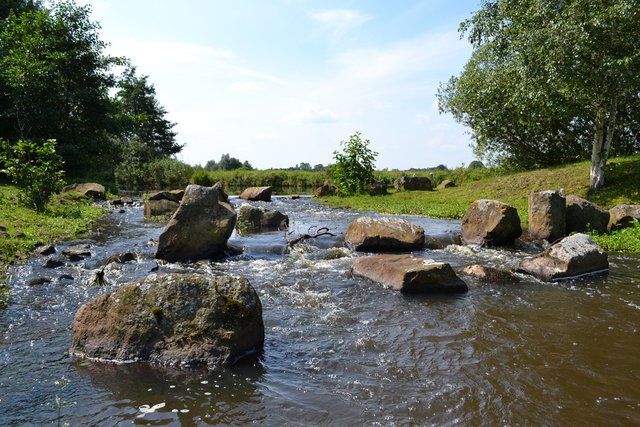
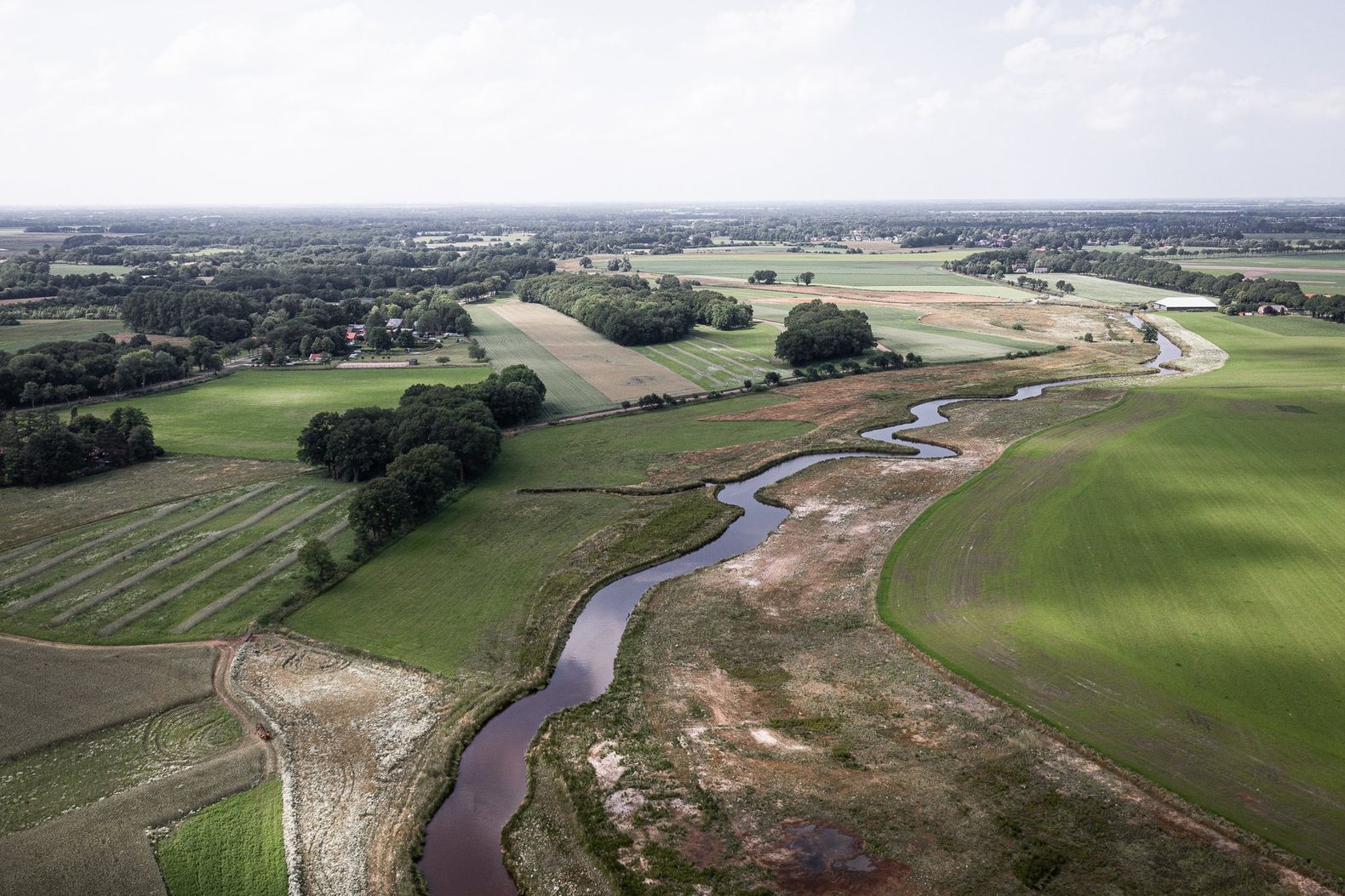
The Ruiten Aa, also known as the ‘backbone of Westerwolde’, winds its way right through Westerwolde. Whether walking or cycling through the area, you’ll regularly cross the stream. Looking out over the water, you’d hardly believe it, but the Ruiten Aa was straightened in the 1960s to facilitate agriculture. The old meanders were restored in the 1990s. The river was given back the space it used to have. Little by little, it regained its original course, with all its twists and turns.
It was immediately clear that the plants and animals were also quite taken with this ‘re-meandering’. In spring, the countryside ‘of yesteryear’ is bursting with beautiful flowers. Whilst the Lakenvelder cattle graze contentedly, a kingfisher searches for fish and a great white egret flies overhead. Even the stork, which had previously disappeared from Westerwolde, has made a full comeback. Could it get any better? The result of the restoration work is a truly unique area of stunning natural beauty. The fact that the Westerwoldse Aa features so many different habitats over such a relatively short stretch is unique in the Netherlands. It is therefore no surprise that dal van de Ruiten Aa is known as one of the most beautiful stream valleys in the Netherlands.
Centuries-old forests
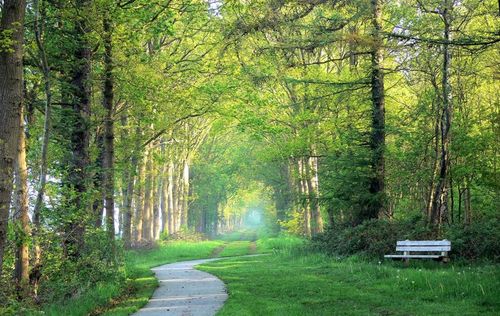
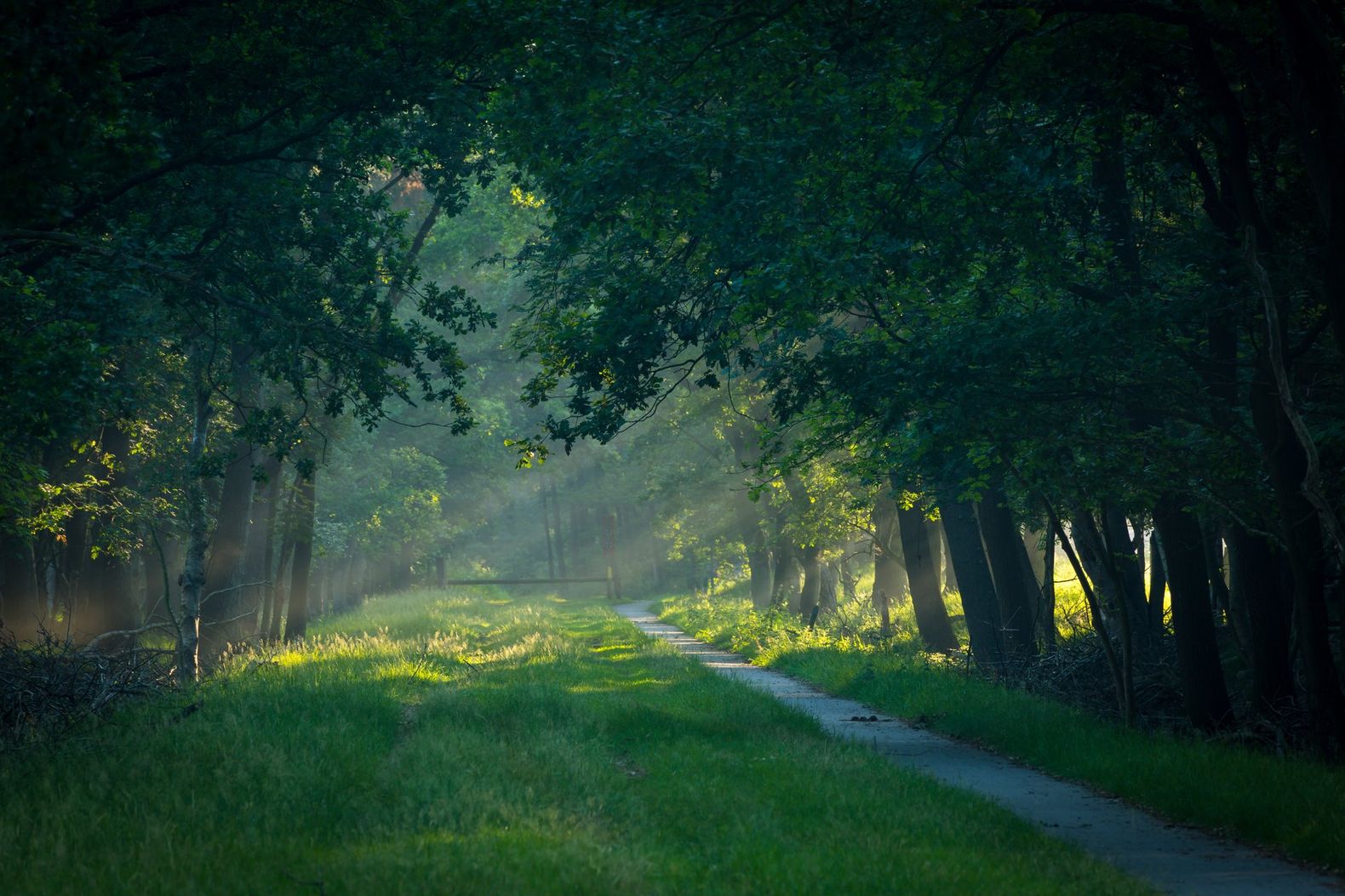
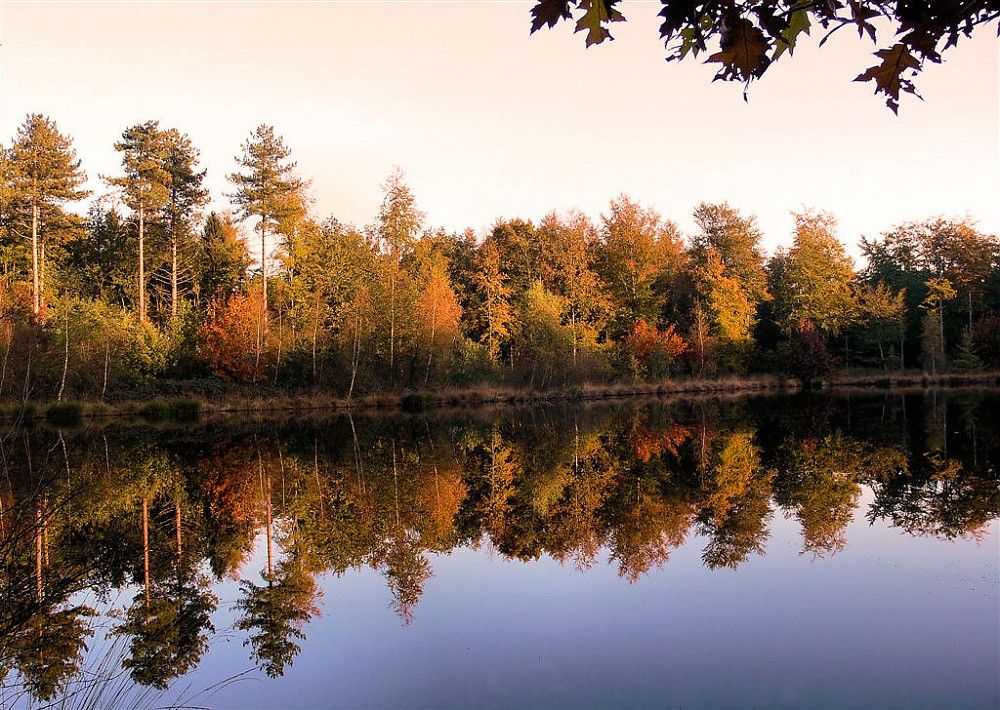
On either side of the Ruiten Aa you’ll find varied woodlands. Westerwolde boasts a total of no fewer than 2,200 hectares of woodland and nature reserves. Some tree trunks date back more than a thousand years. For instance, the Ter Apel woods are home to plants typically found in ancient oak forests. Characteristic species include Solomon’s seal, woodruff, wood anemone and lily of the valley, which sometimes form entire carpets. In a few places, star-of-Bethlehem still grows, and this is the only place in the Netherlands where the stone bramble can be found. Both are Ice Age relics that reach their southernmost limit here.
The Liefstinghsbroek is one of the oldest forests in the Netherlands and the oldest forest in Groningen (the forest was first mentioned as early as 1590). As humans have left this forest undisturbed for almost a century, it has retained its natural character. You’ll find various types of woodland there: an oak-beech forest, a marsh forest and an oak-hornbeam forest. In spring, the ground turns white with flowering wood anemones and white wood sorrel. Curious? You can visit the area accompanied by a forest ranger.
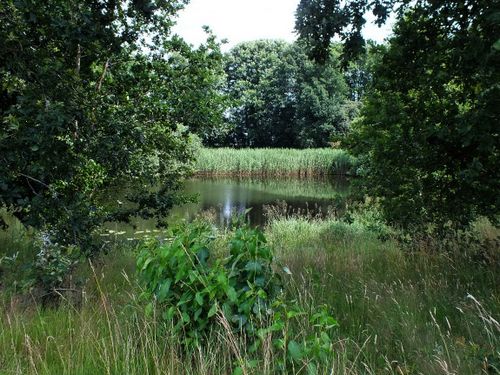
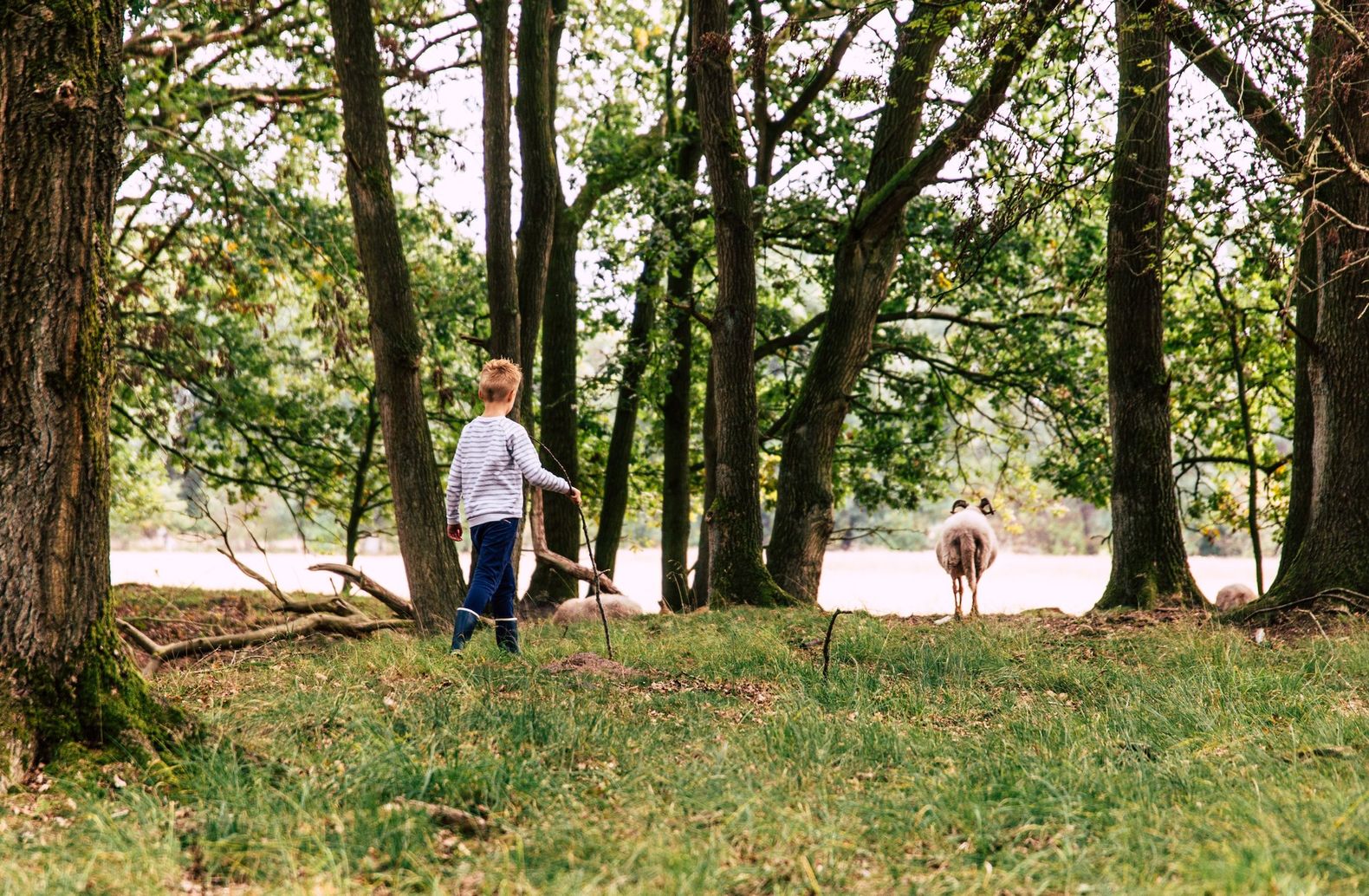
And you’ll find more woods in Westerwolde. Many more. The Pagebos near Stadskanaal, for example. An area characterised by its many ponds, little bridges, canals and boardwalks. Together with the Veenhuizerstukken, the Vledderbos and the Knoesterbos (Drenthe), it offers almost 500 hectares of cycling, walking and horse-riding fun. Or take the whole family to the Blijhamsterbos, a young deciduous forest with play areas that was created for recreational purposes by Staatsbosbeheer. This and many other forests, heathlands, stream valleys, hidden ponds and marshes in Westerwolde are rich in flora and fauna.
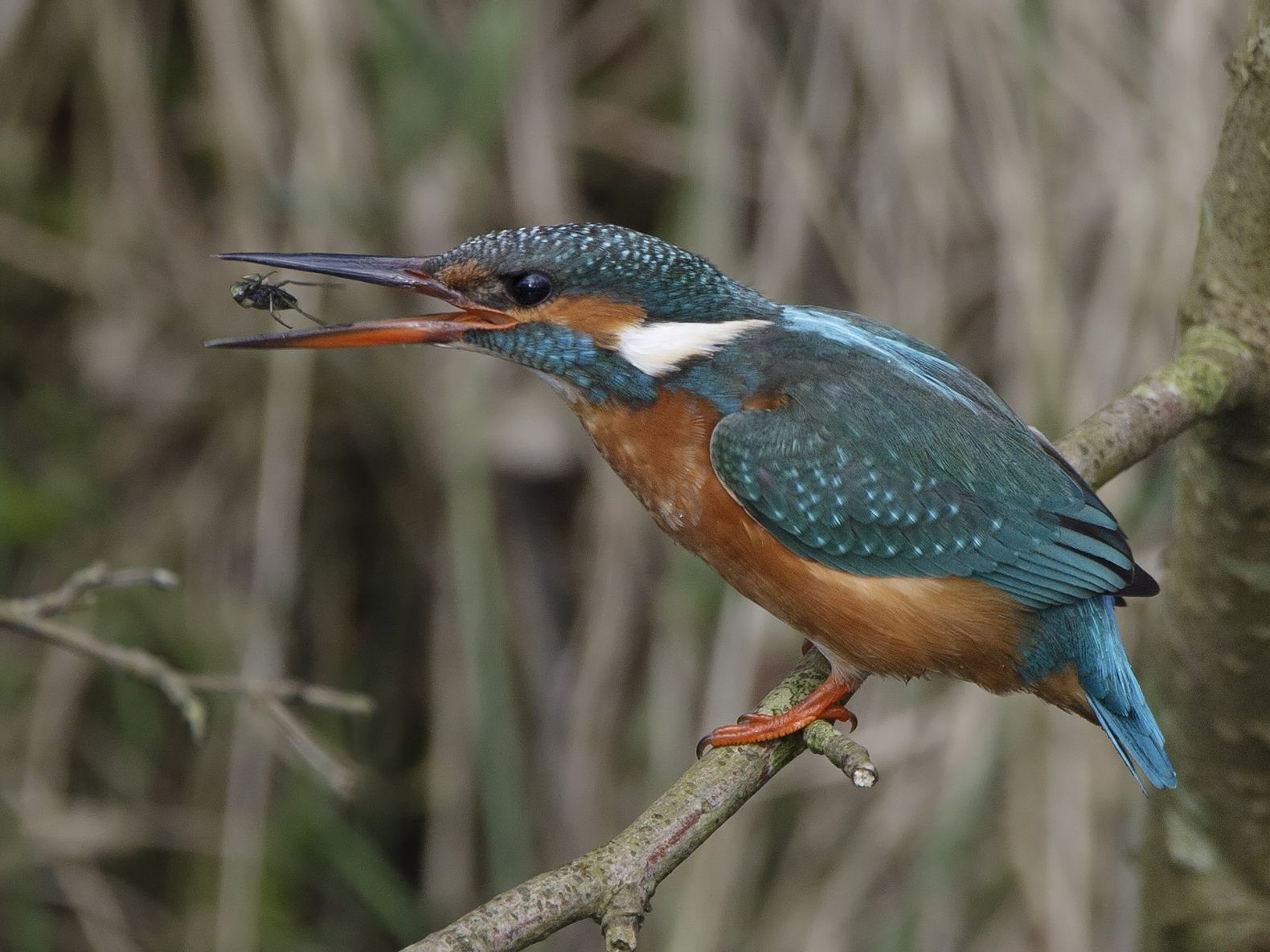
A flash of bright blue
The wide variety of woodland types provides a good habitat for breeding birds such as the wood warbler, nuthatch and middle spotted woodpecker. The kingfisher is also often seen here these days. A flash of bright blue and off it goes again. With scattered copses and trees surrounded by meandering streams, the Westerwold landscape perfectly meets the habitat requirements of the graceful blue and orange-coloured kingfisher.
Traces of the past
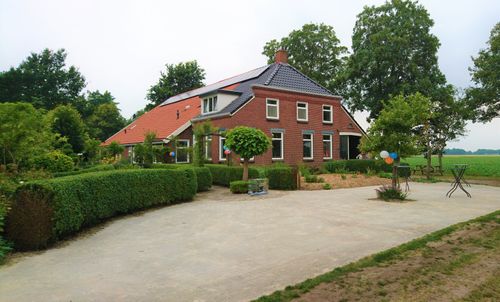
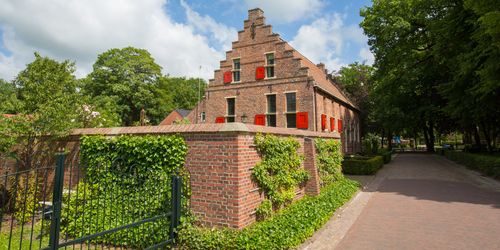
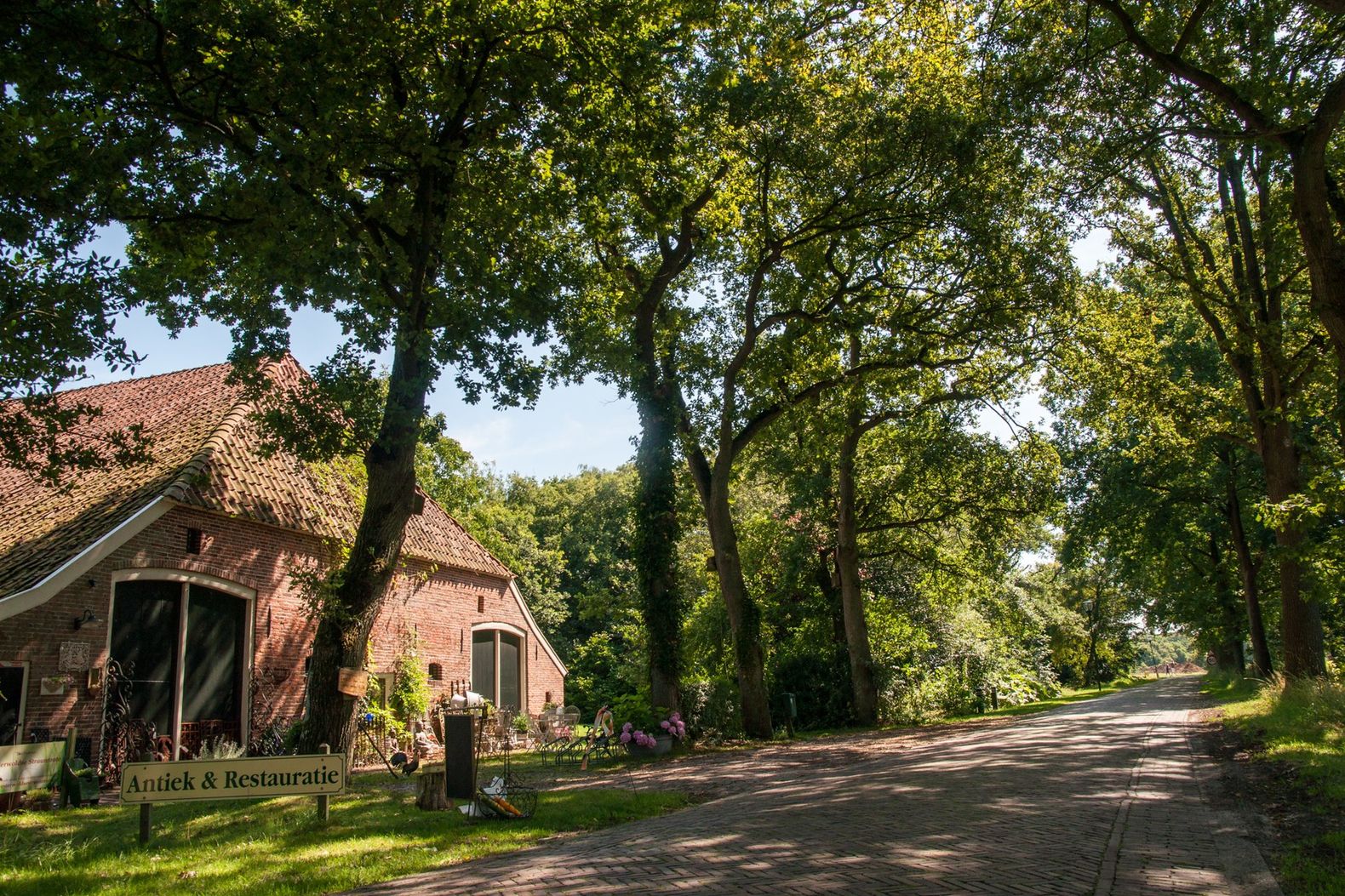
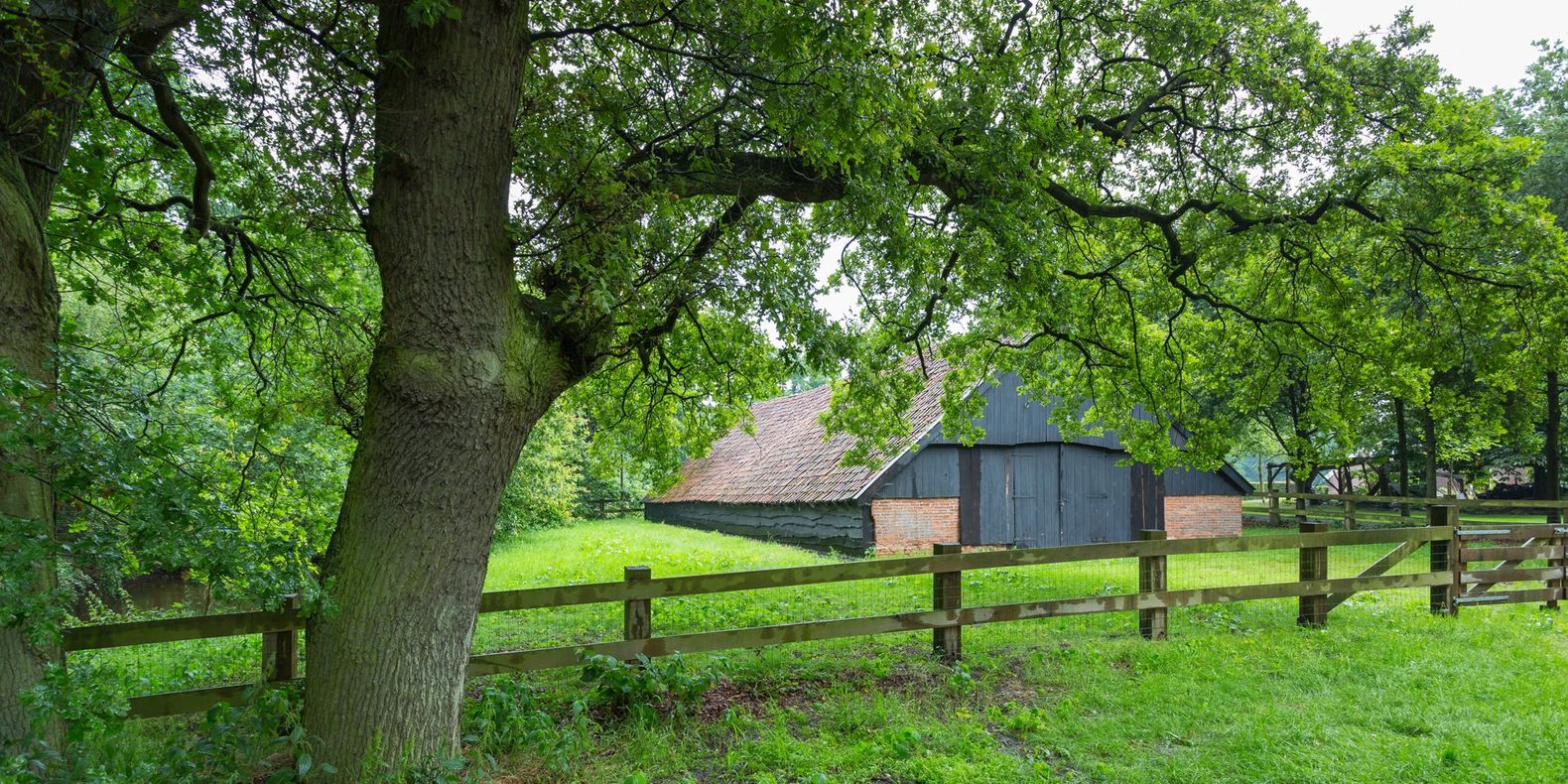
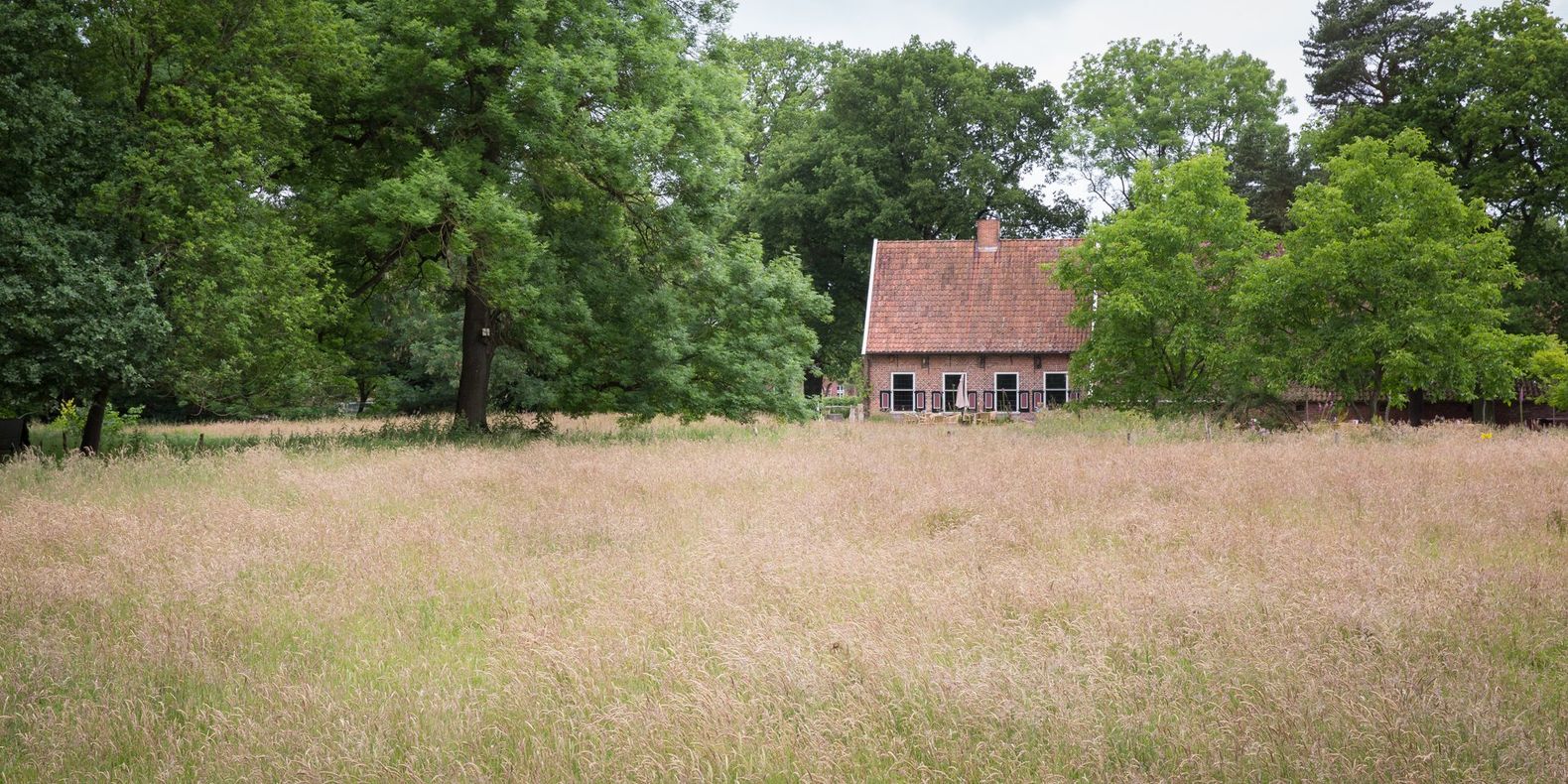
It is not just the forests, but also the built environment – in the form of farms and hamlets – that exude the atmosphere of days gone by. If you’d like to experience this for yourself, you should pay a visit to Ter Borg, a hamlet where time has stood still for centuries. There you’ll find four farmhouses and a 17th-century schaapskooi. All around are small fields and hedgerows. Some of the oak trees are as much as 200 years old – and so thick you can’t put your arms round them. Another special spot is Smeerling, a listed village consisting of a number of scattered farmhouses, some dating from the seventeenth and eighteenth centuries.
Enjoying nature
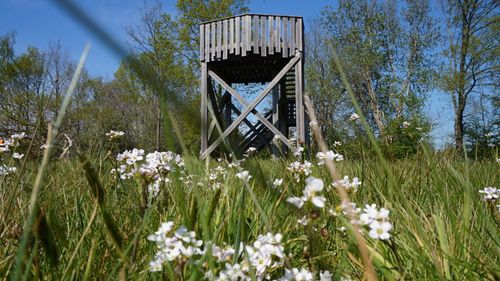
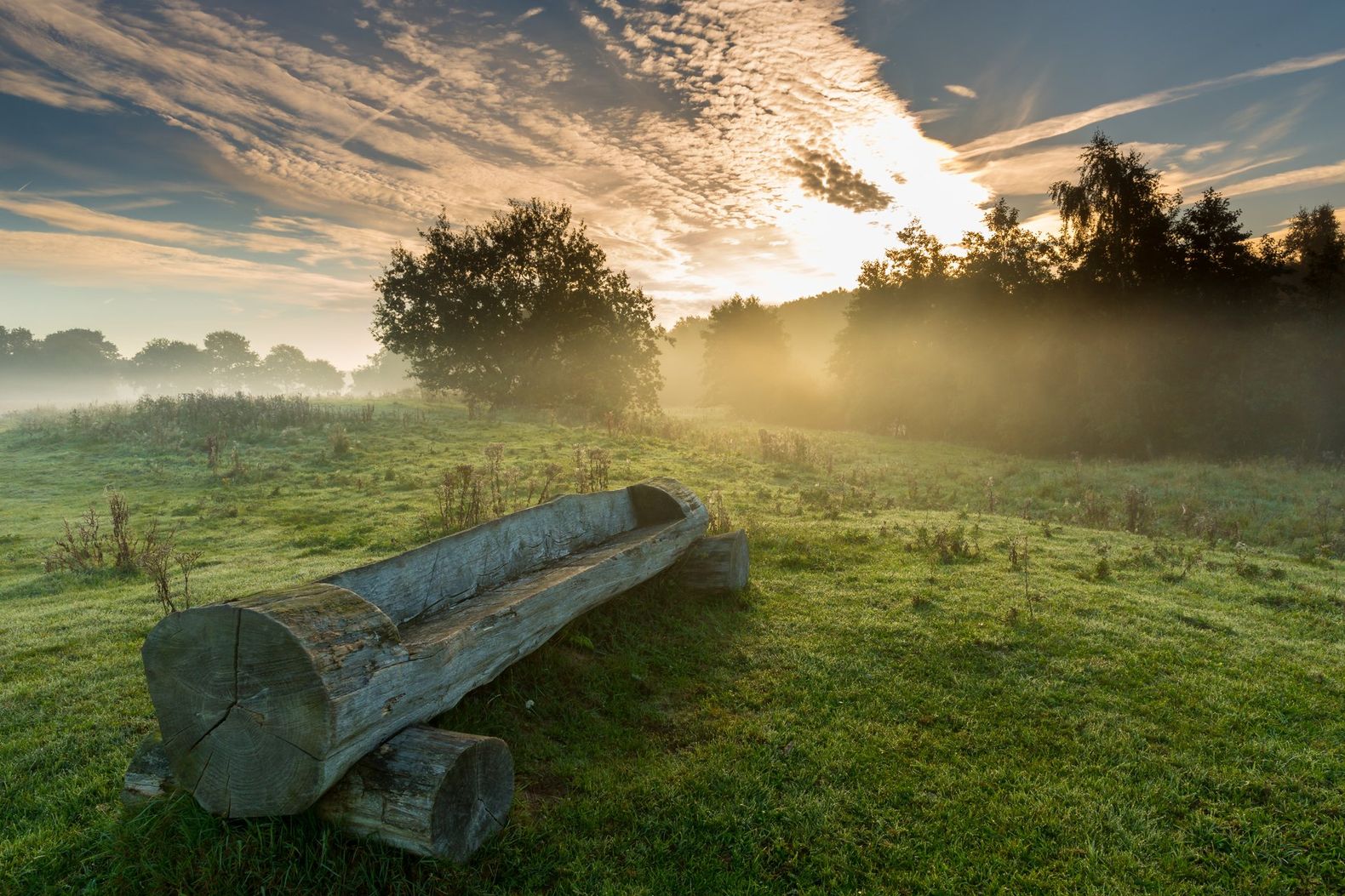
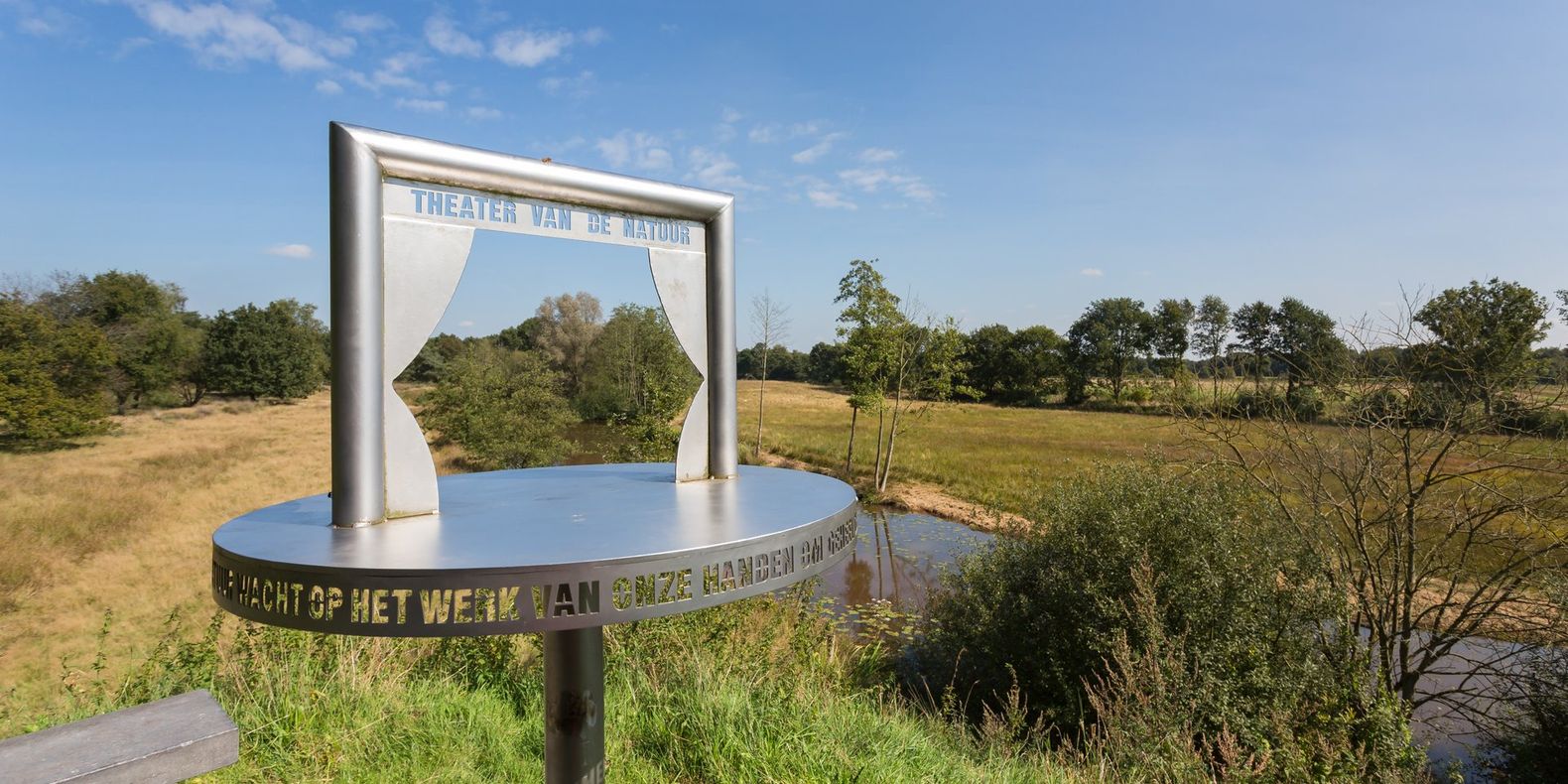
When you come to Westerwolde to enjoy nature, there’s just one rule: nothing is compulsory, everything is allowed. Come by bike, on horseback or on foot. Along the way – and this has been carefully thought through – you’ll find a generous number of benches, picnic tables and car parks for a pleasant rest. Along the Ruiten Aa, you’ll also find a striking nature viewing hill topped by a work of Theater van de Natuur by visual artist Adriaan Nette. This Theater van de Natuur can be rotated, allowing you to view the surrounding landscape from different angles.
More nature in Westerwolde
-
Arboretum The Hanging Gardens: A living museum full of extraordinary trees
Arboretum The Hanging Gardens: A living museum full of extraordinary trees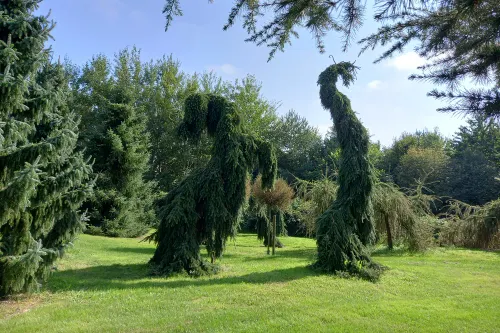
Park/Garden